
Spin bikes can look similar in product photos, but serious buyers know that the real differences sit inside the structure: frame geometry, flywheel feel, resistance control, drive system, handlebar and saddle adjustment, console choices, carton protection, spare parts, and after-sales support. These details decide whether the product becomes a repeatable line or an expensive warranty problem.
This guide explains how B2B buyers should evaluate professional spin bikes before placing a sample or bulk order. It uses YPOO’s spin bike positioning, OEM/ODM support, product range, and factory information as practical reference points for importers, distributors, gyms, fitness studios, online sellers, and private-label fitness equipment brands.
What Makes a Spin Bike Professional?
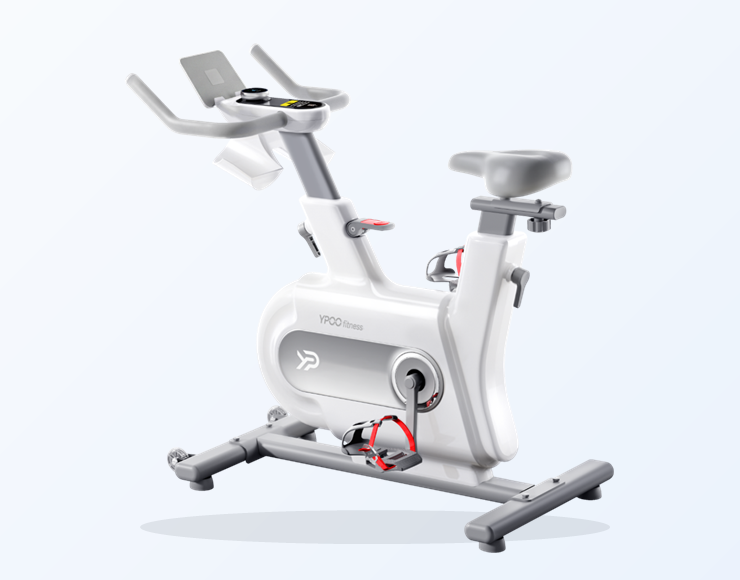
A professional spin bike should be stable, serviceable, adjustable, and suitable for the target user. It should not wobble under hard pedaling, feel rough at higher resistance, or become difficult to repair when a saddle, belt, crank, pedal, bearing, console, or resistance part needs replacement. For B2B buyers, “professional” should mean controlled specification, consistent production, clear documentation, and dependable after-sales support.
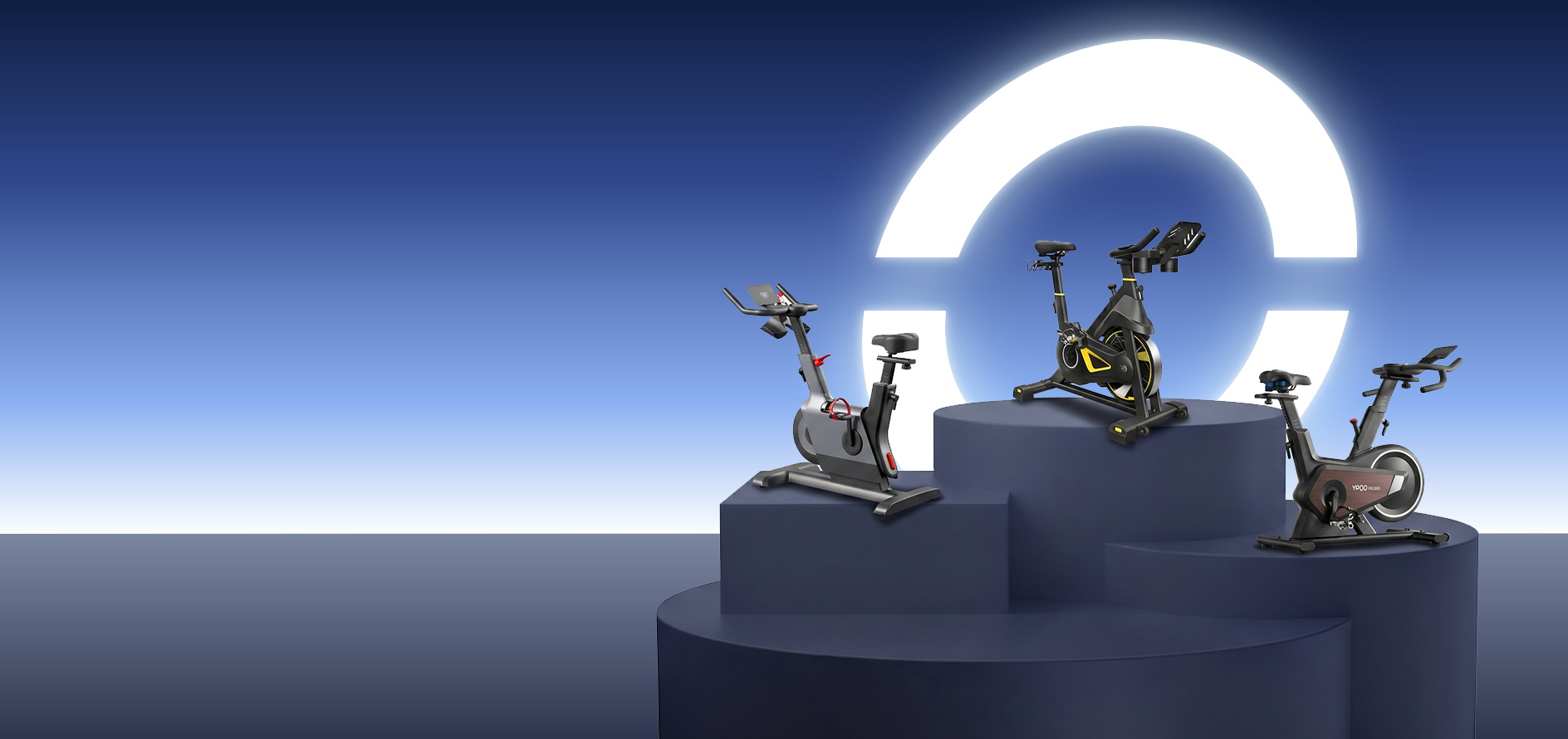
YPOO’s spin bike page describes factory-direct spin bikes and exercise bikes for gyms, distributors, and private-label fitness equipment brands. It also highlights in-house core parts, OEM product development, and continued testing and refinement. Buyers can use these points as a checklist when judging any spin bike manufacturer.
Professional Spin Bike Checklist
| Area | What Serious Buyers Should Verify | Why It Matters |
|---|---|---|
| Frame | Tube size, welding, stabilizer length, leveling feet, surface finish, user weight | Controls stability, safety, durability, and perceived quality |
| Flywheel system | Flywheel weight, placement, balance, guard design, bearing quality | Affects riding feel, noise, inertia, and maintenance |
| Resistance | Friction, magnetic, or other system; adjustment smoothness; emergency stop | Determines user feel, service needs, and price band |
| Drive system | Belt or chain, tension adjustment, cover design, service access | Impacts noise, maintenance, user experience, and warranty cost |
| Adjustability | Saddle, handlebar, fore-aft range, height range, pedal position, Q factor | Helps fit more users in gyms, studios, and dealer programs |
| Console and options | LCD/LED display, RPM, calories, time, distance, heart rate, app or Bluetooth | Changes cost, compliance, user experience, and after-sales parts |
| Packaging | Carton size, foam, accessory layout, manual, barcode, pallet plan | Reduces damage and improves assembly experience |
| After-sales | Spare parts, exploded diagram, warranty terms, repair videos, response time | Keeps buyer service costs under control |
1. Match the Bike to the Channel
Before comparing quotes, define the sales channel. A studio class bike, hotel gym bike, distributor showroom bike, e-commerce home bike, and private-label retail bike do not need the same frame weight, console, packaging, or warranty plan. If the buyer only asks for a “professional spin bike”, suppliers may quote different products under the same phrase.
Give the manufacturer your target market, user type, expected riding intensity, retail price band, order quantity, plug or battery needs, certification requirements, packaging channel, and after-sales expectations. This helps the factory recommend the right model instead of pushing the lowest available price.
2. Verify Frame Strength and Stability
The frame is the first professional buying point. Ask for frame material, tube dimensions, net weight, max user weight, stabilizer size, welding method, leveling feet, transport wheels, surface treatment, and anti-rust protection. A spin bike that looks strong in photos may still feel unstable if the base is narrow, the weld quality is weak, or the frame weight is too low for the intended channel.
For studio and gym buyers, stability under out-of-saddle riding is critical. Ask for a test video showing hard pedaling, handlebar loading, saddle adjustment, and resistance changes. For distributor and e-commerce buyers, ask whether the frame can pass carton handling and repeat assembly without bent parts or loose fasteners.
3. Compare Flywheel Feel, Not Only Flywheel Weight
Flywheel weight is important, but it is not the only factor. Buyers should also check flywheel placement, balance, bearing quality, resistance match, drive system, guard design, and noise. Two bikes with similar flywheel weight can feel different if the transmission, bearing, or resistance structure is different.
Ask whether the model uses front or rear flywheel design, how the flywheel is protected, how noise is tested, and what maintenance parts are available. For higher-end channels, smooth inertia and consistent resistance can matter more than a single number on the specification sheet.
4. Choose the Right Resistance System
Resistance type affects cost, feel, noise, service needs, and buyer positioning. Friction resistance can be cost-effective and simple, but it may require pad inspection and replacement. Magnetic resistance can be cleaner and quieter, but buyers should check adjustment smoothness, magnet structure, console compatibility, and spare parts.
Ask for a resistance test video from low to high levels. The change should be smooth and predictable. The emergency stop should be easy to reach and should work reliably. If the bike is for a class environment, fast resistance changes and stable high-resistance riding are especially important.
5. Check Belt Drive, Chain Drive, and Service Access
The drive system affects noise and maintenance. Belt drive is often preferred for quieter riding, while chain drive may be familiar to some service teams. The best choice depends on the target channel, price band, spare-part plan, and maintenance expectations. Buyers should ask how tension is adjusted, how the drive cover opens, and which replacement parts are stocked.
If the supplier cannot provide service photos, exploded diagrams, or repair videos, the buyer may face expensive support problems later. A professional spin bike should be designed for repeatable assembly and practical maintenance.
6. Confirm Saddle, Handlebar, and User Fit
User fit is one of the most common sources of complaints. Ask for saddle height range, saddle fore-aft adjustment, handlebar height range, handlebar fore-aft adjustment, pedal type, crank length, Q factor, and recommended user height range. These details matter for gyms and studios because many users share the same bikes.
Check locking knobs, adjustment posts, scale markings, seat comfort, handlebar coating, and whether the bike remains stable after repeated adjustments. A bike that feels good in a showroom may still create complaints if users cannot adjust it quickly or if locking parts wear out early.
7. Review Console and Connectivity Options
Some professional spin bikes use a simple meter. Others include LCD or LED display, RPM, time, distance, calories, pulse, Bluetooth, app connectivity, or training programs. These options can improve buyer positioning, but they also add parts, documentation, testing, and after-sales needs.
Before approving a console, ask for the final function list, language, battery or power source, sensor type, display visibility, spare console availability, and user manual pages. If app or wireless functions are included, buyers should review compliance documents and support expectations before bulk production.
8. Separate OEM Branding from Engineering Changes
OEM changes often include logo, color, carton artwork, manual, label, saddle option, handlebar grip, pedal type, console sticker, and accessory list. Deeper ODM changes may involve frame geometry, flywheel, resistance system, console board, app, mold, drive cover, or structural parts. These changes have different lead times and risk levels.
YPOO supports OEM/ODM fitness equipment projects. Serious buyers should ask which spin bike customization items are standard, which require MOQ, which affect sample time, and which may require new testing or document review. If a supplier says every change is easy, ask for a written change-control table before production.
9. Check Compliance Documents Early
Spin bikes may need different documentation depending on the exact configuration and destination market. A mechanical bike, a bike with console, and a connected bike with Bluetooth or app features can have different document needs. Buyers should ask for model-specific certificate files, test reports, labels, manuals, and declarations required by the destination market.
Do not wait until the goods are packed to review labels and manuals. The model name, rating information, warning labels, importer data, carton marks, and manual should match the final product. For more detail, read YPOO’s CE fitness equipment document checklist.
10. Inspect Packaging Before Mass Production
Spin bikes are heavy enough to be damaged during long-distance handling, especially for e-commerce or mixed-container shipments. Ask for carton size, gross weight, foam design, accessory position, manual location, barcode, shipping mark, pallet plan, loading quantity, and drop-test method. If the product is sold online, packaging must protect the unit through single-parcel handling, not only pallet delivery.
Ask the supplier to send packaging photos before sample approval and again before mass production. Packaging changes should be written into the purchase order because carton and foam details can affect damage rate, freight cost, and customer experience.
11. Prepare Spare Parts Before Complaints Begin
A professional spin bike order should include spare-part planning. Common parts include pedals, saddle, handlebar grips, adjustment knobs, belt or chain, crank, bearings, resistance parts, flywheel guard, console, sensors, screws, covers, leveling feet, and transport wheels. Ask for part codes, prices, lead time, warranty coverage, and recommended spare ratio for the first shipment.
Buyers should also request exploded diagrams and repair videos. These materials help distributors, gyms, and service teams solve small issues without replacing whole units.
12. Use Sample Testing as a Buying Gate
The sample should be tested like a production reference. Check assembly time, carton condition, instruction clarity, stability, ride feel, resistance range, noise, saddle and handlebar adjustment, pedal feel, console functions, labels, accessories, and spare-part access. Record all requested changes and ask the factory to confirm whether those changes affect cost, lead time, documents, or testing.
Only approve mass production after the final sample, specification sheet, packing method, labels, manual, and purchase order match. The sample is not just a formality. It is the buyer’s strongest tool for controlling the order.
Quote Comparison Table
| Quote Area | Question to Ask | Risk if Missed |
|---|---|---|
| Model | Which exact spin bike model and configuration does this price cover? | Suppliers quote similar photos with different structures |
| Frame | What are the frame material, tube size, weight, and user-weight rating? | The bike may be too light for professional use |
| Flywheel | What flywheel system, bearing, and guard design are used? | Ride feel and noise may disappoint users |
| Resistance | Is it friction, magnetic, or another system, and how is it serviced? | Maintenance cost may be higher than expected |
| Console | What functions are included and are spare consoles available? | Electronics create after-sales issues |
| Packaging | What carton, foam, loading plan, and drop-test method are included? | Transport damage reduces margin |
| Warranty | Which parts are covered and how are claims handled? | Warranty promise is hard to execute |
Red Flags When Buying Professional Spin Bikes
- The supplier cannot explain the frame, flywheel, resistance, drive, or user-weight rating.
- The same product photo is quoted with different specifications by different sales contacts.
- The factory refuses a live video walkthrough, sample test, or third-party inspection.
- The quote does not include carton size, gross weight, spare parts, manual, or certificate status.
- The supplier cannot provide exploded diagrams, part codes, or warranty workflow.
- The final production model uses a different console, resistance system, pedal, or carton from the approved sample.
- The price is very low, but packaging and after-sales support are not defined.
When to Contact YPOO
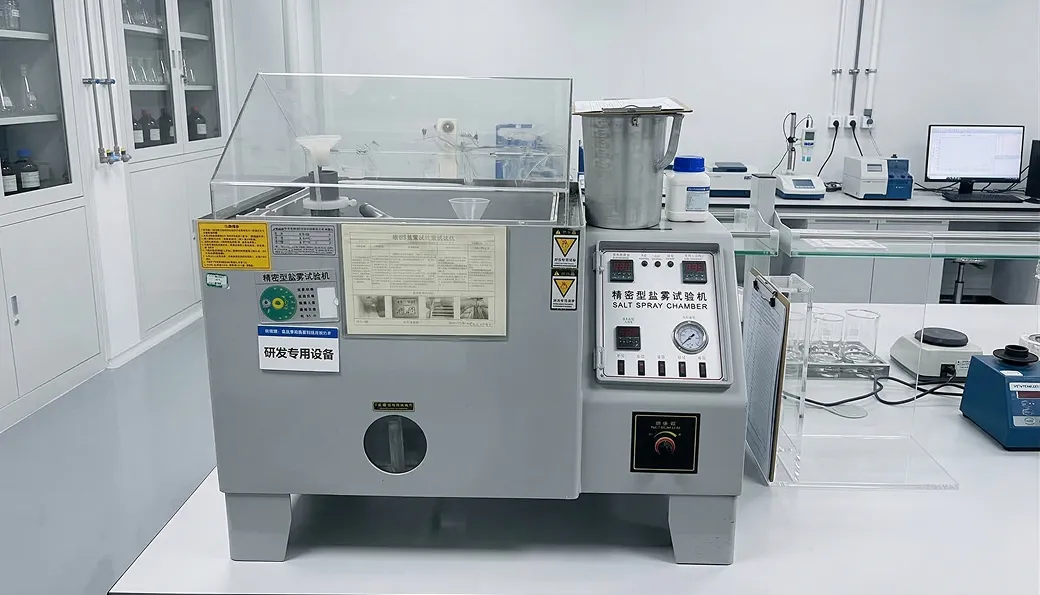
Contact YPOO when you need help choosing professional spin bikes or exercise bikes for gyms, studios, distributors, e-commerce, hotel fitness rooms, private-label brands, or mixed fitness equipment programs. YPOO can support model selection, OEM/ODM discussion, samples, customization, packaging review, QC communication, and export coordination.
You can visit the YPOO spin bike OEM manufacturer page, browse YPOO fitness equipment products, read how to spot a real spin bike manufacturer, compare the exercise bike manufacturer guide, or contact YPOO to discuss spin bike professional models, samples, and order planning.
FAQ
What should buyers check before ordering a professional spin bike?
Buyers should check frame strength, flywheel system, resistance type, drive system, adjustability, console, user weight, stability, packaging, compliance documents, spare parts, warranty workflow, and OEM/ODM change control.
Is flywheel weight the most important spin bike specification?
No. Flywheel weight matters, but buyers should also check flywheel balance, bearing quality, resistance system, drive system, frame stability, noise, and maintenance access. Ride feel is created by the full system, not flywheel weight alone.
Which resistance system is better for a professional spin bike?
The better resistance system depends on the target channel and price band. Friction resistance can be simple and cost-effective, while magnetic resistance can offer quieter and cleaner operation. Buyers should test smoothness, emergency stop, spare parts, and service needs before choosing.
Can YPOO support OEM spin bike projects?
Yes. YPOO supports OEM/ODM spin bike and exercise bike projects for gyms, distributors, private-label brands, e-commerce sellers, and fitness equipment buyers, including model selection, logo and color discussion, packaging, samples, QC, and shipment planning.
How should importers compare spin bike quotes?
Importers should compare exact model configuration, frame, flywheel, resistance, drive, console, user weight, carton, gross weight, compliance documents, spare parts, warranty, inspection plan, lead time, and total landed risk, not only FOB price.
Final Recommendation
A spin bike professional buying decision should be based on product fit, real specifications, factory control, sample testing, packaging, compliance documents, QC, spare parts, and warranty execution. Serious buyers should avoid judging by photos or price alone. The right manufacturer should make the order easier to repeat, easier to service, and safer to sell.
To plan your next spin bike project, visit the YPOO spin bike page or contact YPOO with your target market, order quantity, customization needs, sample plan, and shipment timeline.