
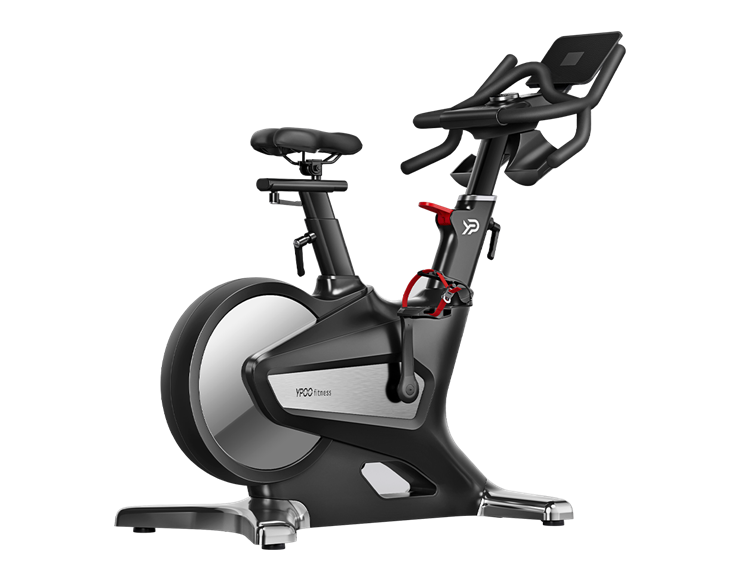
Quick answer: Distributors should choose an exercise bike manufacturer by checking resistance system, flywheel and ride feel, frame structure, crank, pedals, drive system, saddle, handlebar adjustment, console options, max user weight, packing strength, certificates, spare parts, and warranty workflow. The right specs help distributors protect margin, reduce claims, and build a product line that is easier to sell and support after shipment.
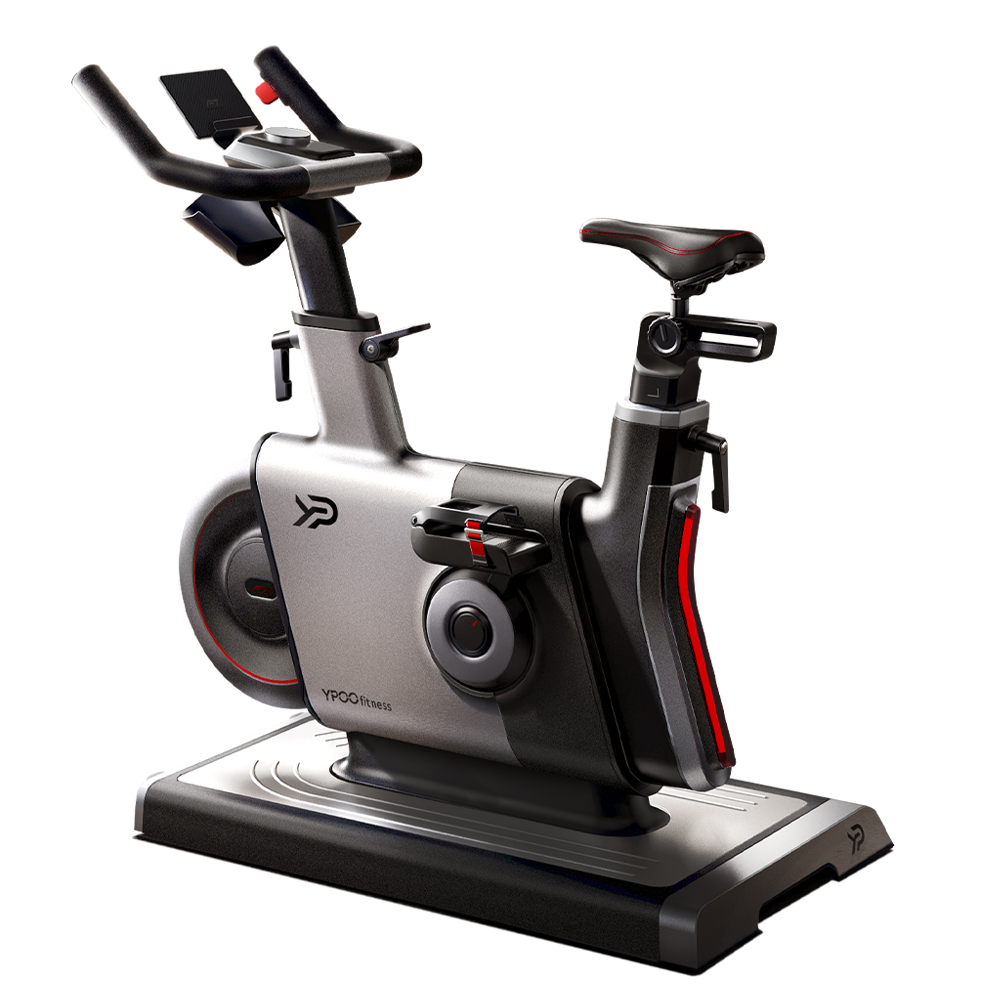
Exercise bikes and spin bikes look simple in product photos, but they carry real sourcing risk. A distributor may need to support dealers, gyms, hotels, wellness spaces, and private-label retail channels for several years. Small specification gaps can affect riding feel, carton damage, warranty cost, spare-part inventory, and repeat orders. This guide explains the exercise bike specs distributors should check before confirming samples or bulk orders.
Start With the Sales Channel
Before comparing models, define the channel. A home-use exercise bike for e-commerce is different from a commercial spin bike for studios, a hotel fitness-room bike, or a distributor line for local dealers. Each channel has different expectations for frame weight, resistance feel, adjustability, console, packaging, spare parts, and warranty service.
A good exercise bike manufacturer should help buyers match the model to the channel instead of pushing one product to every buyer. YPOO supports spin bike and exercise bike sourcing for distributors, gyms, hotels, private-label brands, and wholesale fitness equipment buyers through its spin bike and exercise bike range.
1. Resistance System
The resistance system affects riding feel, noise, maintenance, and price. Magnetic resistance is common for smooth and quiet exercise bikes. Friction resistance can be lower cost, but the pad wears and needs more maintenance. Some models may support manual resistance, electronic resistance, or app-connected adjustment.
Distributors should ask the factory to state the exact resistance type, resistance adjustment method, wear parts, spare-part availability, and whether the resistance system has been tested under repeat use. For studio or commercial channels, resistance feel should be tested on a sample before bulk order.
2. Flywheel and Ride Feel
Flywheel weight is often used in sales material, but it should not be checked alone. A heavy flywheel may feel stable, but belt drive, frame geometry, crank quality, bearing quality, and resistance system also shape the ride. Ask for flywheel weight, material, protective cover details, bearing type, and riding videos.
During sample testing, ride at low, medium, and high resistance. Check whether pedaling is smooth, whether the flywheel makes noise, whether the resistance changes evenly, and whether the bike shakes when standing on the pedals.
3. Frame Structure and Welding
Frame structure decides stability and long-term durability. Ask for frame tube size, steel thickness, welding quality, stabilizer width, base design, leveling feet, transport wheels, and max user weight. A bike that looks strong in photos may still feel unstable if the base is too narrow or the frame geometry is weak.
Distributors should also ask which models are for home use, hotel fitness rooms, gyms, cycling studios, and private-label programs. Mixing home-use and commercial-use models in the same quote can create warranty disputes later.
4. Drive System
Most modern exercise bikes use belt drive because it is quieter and cleaner than chain drive. Chain drive may still be used in some price-sensitive products, but it can require more maintenance. Ask whether the bike uses belt or chain drive, the belt type, pulley material, protective cover design, and spare-part availability.
When testing a sample, listen for belt noise, check alignment, and test whether the drive feels smooth when standing, accelerating, and slowing down.
5. Crank and Pedals
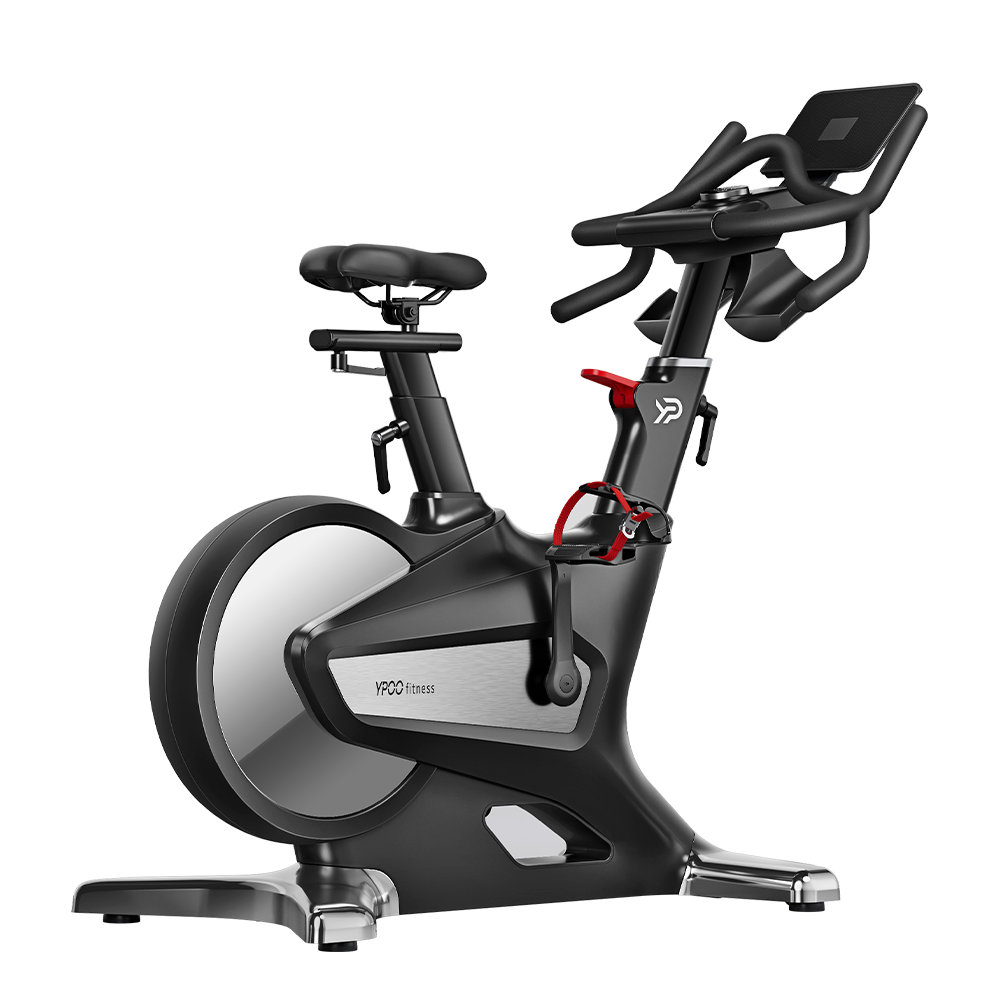
Crank and pedal quality affect user safety. Ask whether the bike uses a three-piece crank or another structure, what pedal thread is supported, whether toe cages are included, and whether SPD-compatible pedals are available for studio projects. For commercial buyers, pedal and crank spare parts should be easy to reorder.
Inspect pedal threads, crank tightness, and pedal wobble during sample testing. A weak crank can turn into one of the most expensive after-sales problems.
6. Saddle and Handlebar Adjustment
Seat and handlebar adjustment determine whether the bike fits a wider user range. Check vertical and horizontal adjustment, adjustment markings, knob quality, tube strength, saddle type, handlebar shape, and whether saddles can be replaced easily. A bike with a nice frame but poor fit can create returns and complaints.
Distributors selling to gyms or studios should test fast adjustments because multiple users may adjust the bike every day. Knobs, locking pins, and sliding tubes should feel strong and easy to operate.
7. Console and Smart Options
Some buyers need a simple mechanical bike, while others need LCD display, RPM, speed, distance, calories, pulse, Bluetooth, app compatibility, tablet holder, or training program functions. Ask which console options are standard, which require MOQ, and which electronics can be supplied as spare parts.
If a bike is positioned for private-label retail, confirm display language, battery type, sensor connection, wire routing, user manual, and whether the console photo matches the quoted model.
8. Max User Weight
Max user weight should be linked to frame structure and testing, not only printed in the catalog. Ask how the value was tested and whether the model is intended for home, light commercial, or commercial use. If the bike will be used in public spaces, choose a stronger structure and clearer warranty terms.
9. Packing and Carton Strength
Exercise bikes can be damaged if the carton is weak, accessories move inside the box, or loading is planned poorly. Ask for carton size, gross weight, foam structure, accessory layout, drop-test method, barcode position, shipping marks, and loading quantity. For e-commerce or dealer networks, packaging quality directly affects margin and customer reviews.
10. Certificates and Market Documents
Certificate needs depend on destination market and sales channel. Ask whether the exact model has CE, RoHS, FCC, UKCA, or other documents required by your market. Check whether the certificate holder, model number, product photo, and technical file match the actual exercise bike being purchased.
Do not assume a factory’s general certificate covers every bike. If the buyer changes console, electronics, plug, or structure, certificate review may be needed again.
11. Factory Verification
Before choosing an exercise bike manufacturer, verify legal company name, factory address, production role, export experience, product category, sample room, testing area, warehouse, and after-sales process. Ask for a live video walkthrough, product photos, business license, audit report if available, and references for similar export projects.
If a supplier sells multiple categories, ask whether the quoted exercise bike is self-produced, assembled, or sourced from a partner factory. This affects repeat-order stability and spare-part control.
12. Quote Comparison
Do not compare exercise bike quotes by unit price alone. Compare resistance system, flywheel, frame, drive system, crank, pedals, console, saddle, packaging, certificates, MOQ, sample cost, lead time, spare parts, warranty, payment terms, inspection cost, and shipping method. A slightly higher price may be safer if the frame, carton, and after-sales parts are stronger.
13. QC Checks Before Shipment
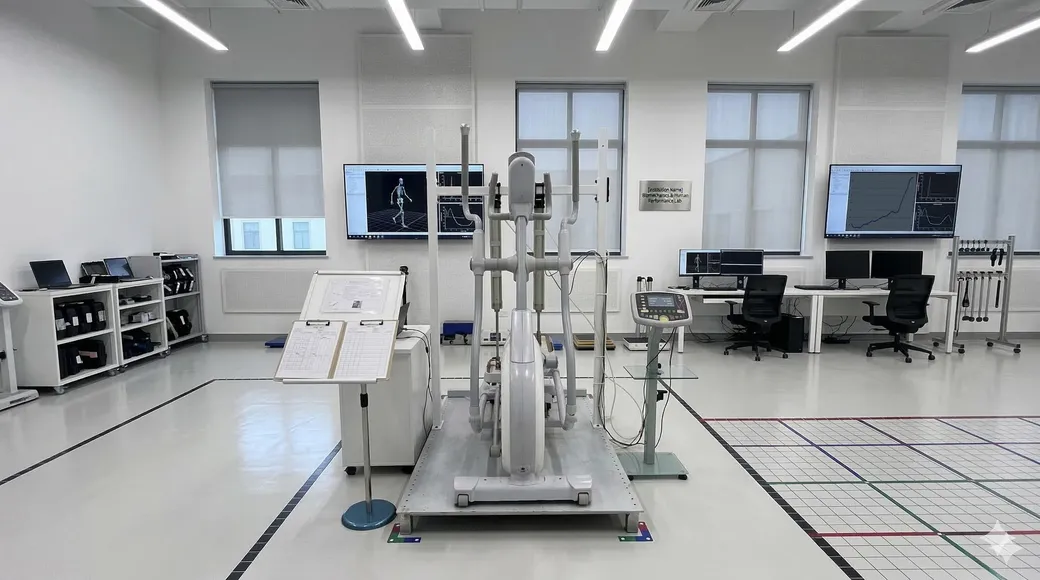
Before shipment, inspect appearance, frame welds, paint, assembly, pedal threads, crank tightness, resistance response, belt alignment, noise, vibration, console function, saddle and handlebar adjustment, labels, manual, accessories, carton marks, foam protection, and spare parts. For a first order, a third-party inspection or live video inspection is recommended before balance payment and loading.
Spec Checklist for Distributors
| Spec Area | What to Ask | Why It Matters |
|---|---|---|
| Resistance | Magnetic, friction, manual, electronic, app-controlled | Controls ride feel, noise, maintenance, and price |
| Flywheel | Weight, material, cover, bearing, ride test | Affects stability and sales positioning |
| Frame | Tube size, steel thickness, base width, welding, max user weight | Determines durability and warranty risk |
| Drive | Belt or chain, belt type, pulley, cover, spare parts | Affects noise and maintenance |
| Fit | Saddle, handlebar, adjustment range, knobs, markings | Improves user comfort and reduces returns |
| Packaging | Carton size, foam, drop test, loading quantity | Reduces shipping damage |
| After-sales | Spare parts, exploded diagram, warranty flow | Supports dealers and repeat orders |
Common Distributor Mistakes
- Choosing by flywheel weight without testing ride feel.
- Comparing home-use and commercial bikes as if they are the same.
- Ignoring crank, pedal, bearing, and belt quality.
- Approving samples without checking noise, vibration, and standing ride stability.
- Forgetting carton strength, loading quantity, and accessory layout.
- Assuming certificates match the exact quoted model.
- Not preparing spare parts and warranty workflow before shipment.
When to Contact YPOO
Contact YPOO when you need help selecting exercise bike or spin bike models for distributors, gyms, hotels, private-label brands, and wholesale fitness equipment programs. YPOO supports OEM/ODM customization, factory-direct supply, sample planning, packaging discussion, quality checks, and export order support.
You can review the YPOO spin bike and exercise bike range, browse the YPOO spin bike category, or contact YPOO to discuss model selection, samples, MOQ, packaging, and shipment planning.
FAQ
What specs should distributors ask an exercise bike manufacturer for?
Ask for resistance type, flywheel weight, frame material, drive system, crank, pedals, saddle, handlebar adjustment, console options, max user weight, carton size, loading quantity, certificates, MOQ, sample lead time, spare parts, and warranty terms.
Is magnetic resistance better than friction resistance?
Magnetic resistance is usually quieter and needs less maintenance, which is useful for home, hotel, and studio channels. Friction resistance can still work for price-sensitive markets, but distributors should account for wear parts and maintenance.
How should distributors compare exercise bike quotes?
Compare landed cost and after-sales risk, not only unit price. Review the full specification, carton, certificates, spare parts, warranty, MOQ, lead time, inspection cost, and shipping method before choosing a supplier.
Can YPOO support private-label exercise bike projects?
Yes. YPOO supports exercise bike and spin bike OEM/ODM projects for distributors, gyms, hotels, and private-label fitness equipment buyers, including model selection, logo, packaging, samples, MOQ, and shipment planning.
Final Recommendation
An exercise bike manufacturer should be evaluated by specification clarity, sample quality, factory proof, packing reliability, certificate accuracy, spare parts, and warranty support. Distributors that check these details before ordering reduce claims, protect margin, and build more stable product lines.
To compare models, visit the YPOO spin bike page, review YPOO fitness equipment products, or contact YPOO for exercise bike manufacturer support.