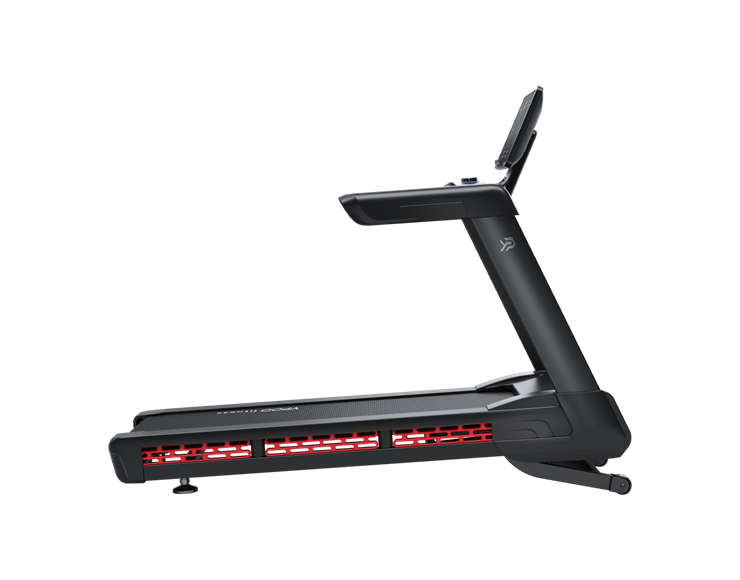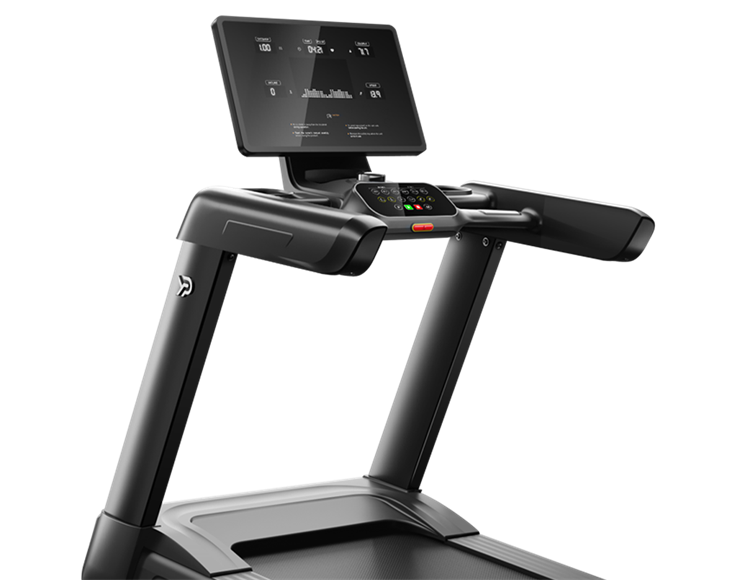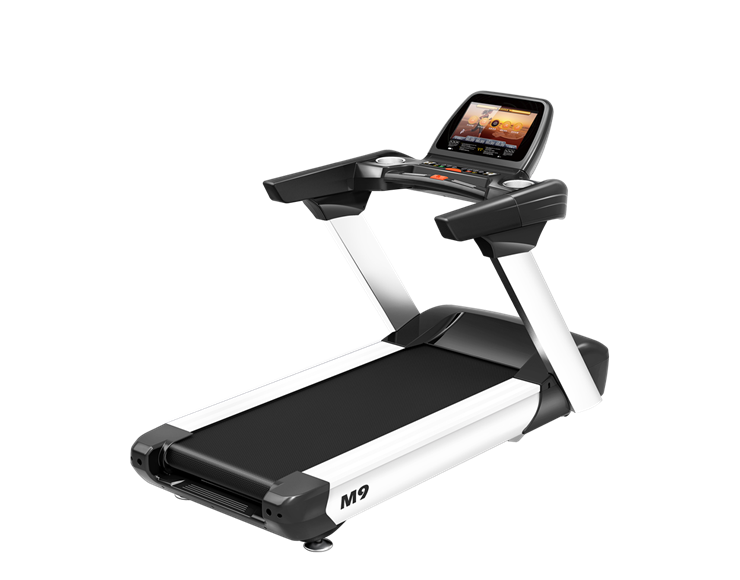

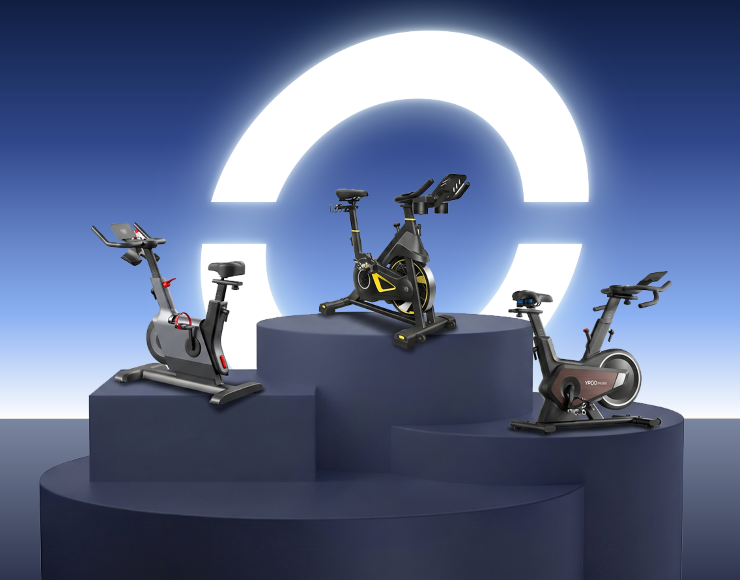
Manufacturing gym equipment is not just assembling machines from a catalog. For importers, distributors, gyms, hotels, e-commerce sellers, and private-label brands, the real buying question is whether the factory can control the product from design and sample confirmation to quality inspection, packaging, spare parts, and shipment documents.
This buying guide gives B2B buyers a practical way to evaluate a commercial gym equipment manufacturer before paying a deposit. It also uses YPOO’s product range, OEM/ODM support, factory information, and quality-control positioning as reference points for what buyers should ask from any supplier.
What Serious Buyers Should Check First
Serious buyers should start with the business case, not the catalog. A gym project, distributor order, private-label range, and online retail product line each need different specifications, packaging, service support, compliance documents, and warranty planning. The same machine may be acceptable for home use but weak for commercial duty.
Before comparing quotes, define the product line, target users, target price band, destination market, expected warranty level, MOQ, delivery window, and after-sales capability. These inputs decide whether the manufacturer should recommend treadmills, walking-running pads, semi-commercial treadmills, spin bikes, exercise bikes, ellipticals, rowing machines, or a mixed commercial gym equipment package.
YPOO Product Range for Buyers
YPOO’s product pages cover several fitness equipment categories, including treadmills, semi-commercial treadmills, inclined treadmills, walking-running pads, home-use treadmills, spin bikes, exercise bikes, elliptical machines, rowing machines, and flywheel products. This range matters because a serious buyer often needs a supplier that can coordinate product selection across several categories, not only quote one model.
YPOO’s treadmill page positions the company as a treadmill OEM manufacturer for brands and distributors, with factory-direct treadmills, walking pads, semi-commercial models, OEM/ODM support, stable supply, and structured quality control. The spin bike page focuses on factory-direct spin bikes and exercise bikes for gyms, distributors, and private-label fitness equipment brands. The elliptical and rowing machine page covers factory-direct elliptical machines, cross trainers, and rowing machines with OEM/ODM support.
Buying Checklist at a Glance
| Area | What to Verify | Why It Matters |
|---|---|---|
| Factory role | Legal entity, factory address, production areas, live audit, payment match | Confirms whether you are dealing with a real manufacturer or only a reseller |
| Product fit | Use case, user weight, motor or resistance system, frame, console, warranty level | Prevents buying a home-use product for a commercial channel |
| OEM/ODM scope | Logo, color, plug, voltage, console, app, packaging, manual, structural changes | Separates simple branding from engineering changes that affect cost and risk |
| Compliance | CE, RoHS, FCC, UKCA, manuals, labels, test reports, model match | Reduces customs, marketplace, and distributor review problems |
| QC | Incoming checks, production tests, final inspection, lab testing, batch records | Connects documents and samples to real bulk production |
| Packaging | Carton strength, foam, pallet plan, loading quantity, drop-test method | Heavy fitness equipment can lose margin through transport damage |
| After-sales | Spare parts, exploded diagrams, repair videos, response time, warranty workflow | Improves service support and reduces whole-unit replacement cost |
| Shipment | Lead time, inspection date, Incoterms, documents, loading plan, communication flow | Keeps production and export execution predictable |
1. Verify the Factory, Not Only the Sales Contact
The first step in manufacturing gym equipment is checking who controls production. Ask for the legal company name, business license, factory address, export entity, bank beneficiary, sample room, production line, QC area, warehouse, packaging area, and shipment records. These details should be consistent or clearly explained in writing.
If the sales name, payment beneficiary, certificate holder, and factory name are different, ask for the relationship between them. Different names are not always a problem, but unexplained differences create risk when you need claims, repeat orders, document corrections, or spare parts.
2. Ask for a Live Factory Walkthrough
A serious manufacturer should be able to show the factory in a continuous live video. The walkthrough should include the entrance sign, product showroom, material area, production line, testing area, packaging area, warehouse, and the exact models being discussed. Short edited videos and old photos are less useful because they do not prove current production control.
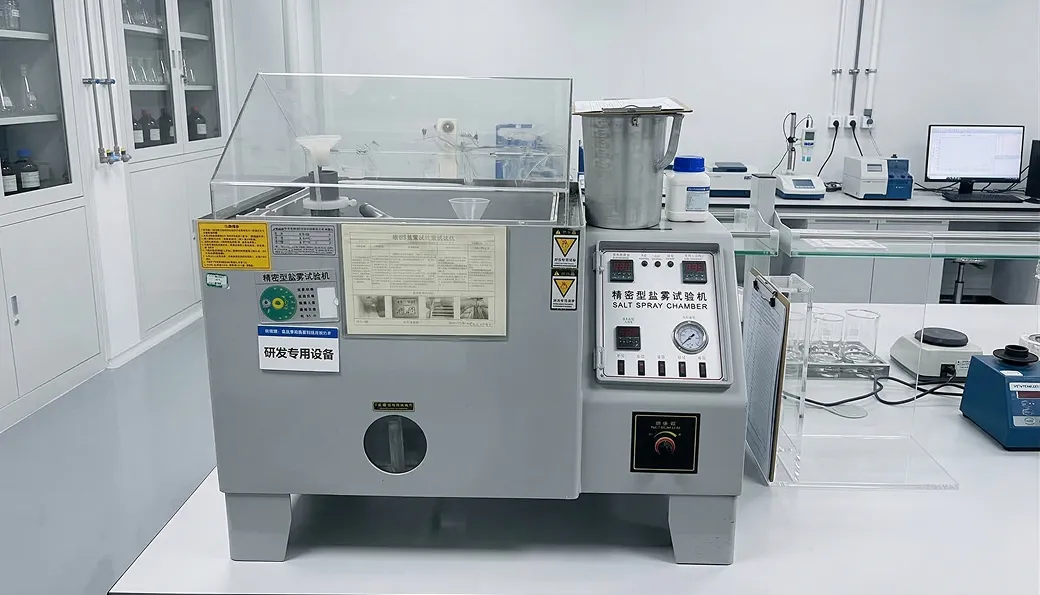
YPOO’s about page lists manufacturing areas such as motor and electronic control, metalworking, injection molding, spray painting, assembly line, national-level laboratory, CNAS laboratory, R&D capability, daily production capacity, and high-standard product quality inspections. Buyers can use those areas as audit checkpoints when evaluating any manufacturer.
3. Match Product Line to Use Case
Manufacturing gym equipment for a retail brand is different from supplying a hotel gym, apartment fitness room, studio, distributor network, or e-commerce warehouse. A walking pad, home treadmill, semi-commercial treadmill, spin bike, exercise bike, elliptical, and rowing machine all have different expectations for durability, carton size, spare parts, and user experience.
Do not ask for “your best model” without context. Give the factory your market, use scenario, target retail price, order quantity, plug and voltage, certificate needs, packaging channel, and after-sales plan. A good manufacturer should guide you toward the product line that fits the real buyer, not only the machine with the lowest FOB price.
Product-Line Decision Table
| Product Line | Buyer Use Case | Key Checks Before Ordering |
|---|---|---|
| Treadmill | Gyms, hotels, distributors, private-label cardio ranges | Motor type, running belt size, speed, incline, max user weight, console, deck, carton |
| Walking-running pad | Home fitness, compact retail, e-commerce, office wellness | Motor, folding or storage design, noise, belt size, remote/app, packaging strength |
| Spin bike | Studio, gym, dealer, online fitness product line | Flywheel, resistance, drive system, frame, saddle, handlebar, console, stability |
| Exercise bike | Home fitness, light commercial, distributor programs | Resistance, seat adjustment, console, crank, pedal, user weight, carton dimensions |
| Elliptical | Cardio zones, hotel gyms, family fitness, dealer showroom | Stride feel, flywheel, resistance, handle movement, frame weight, noise, console |
| Rowing machine | Home gyms, functional training, boutique fitness, e-commerce | Resistance type, rail, handle, footrest, folding, max user weight, carton strength |
4. Compare Real Specifications
Photos can make two machines look similar, while the specification sheet reveals very different products. For treadmills, compare motor type, CHP or peak power, speed range, incline, running belt size, roller size, deck, user weight, net weight, gross weight, console, and carton size. For bikes, compare flywheel, resistance, frame, drive system, saddle, handlebar, crank, pedal, and console. For rowers and ellipticals, compare resistance, rail or stride design, frame, user weight, folding structure, and packaging.
Ask the factory to provide a model-level specification sheet and confirm which details can be customized. If a supplier cannot provide precise specifications, the quote is not ready for serious comparison.
5. Understand OEM vs ODM Scope
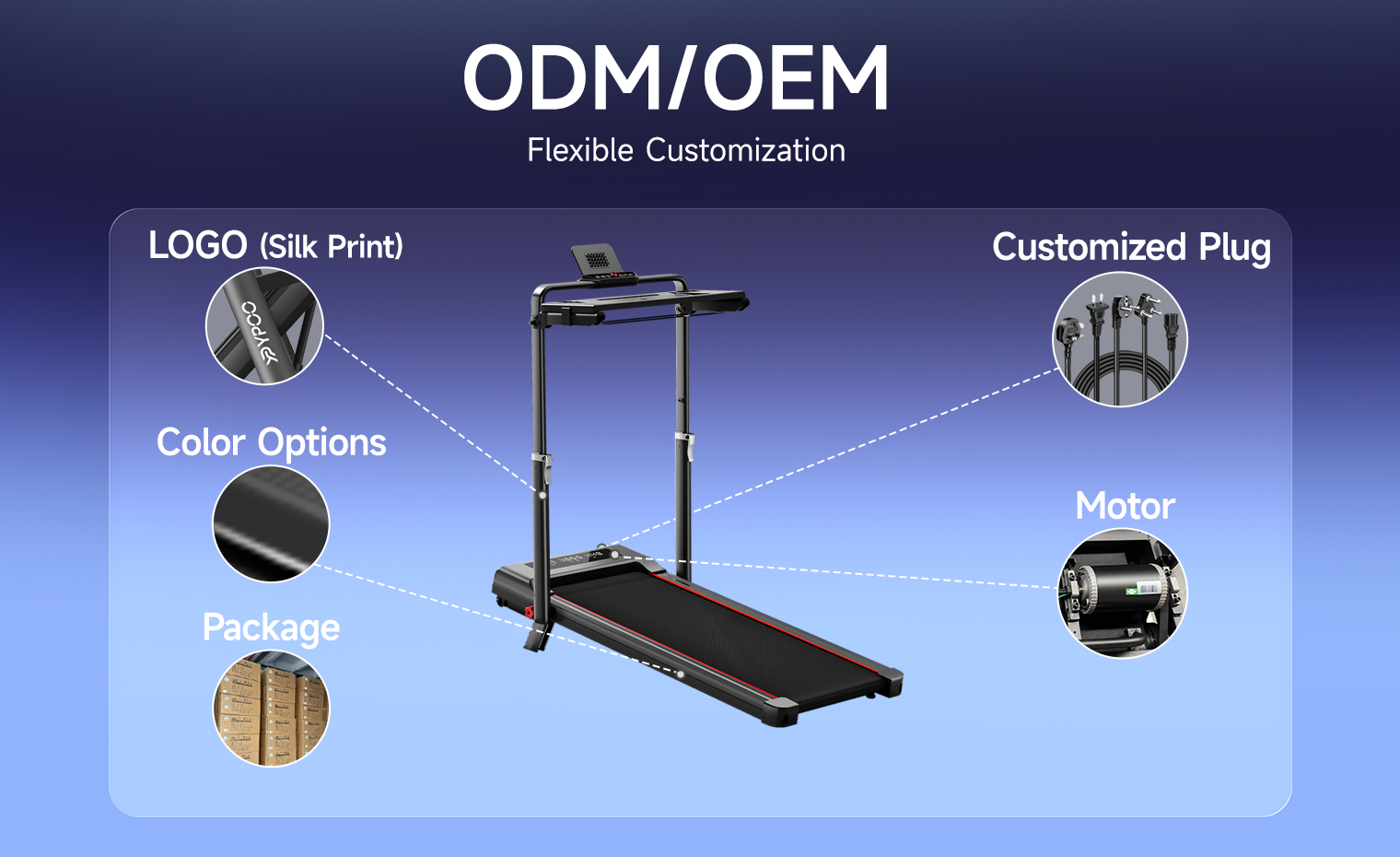
OEM changes usually include logo, product color, plug, voltage, packaging, manual, carton mark, accessory list, and basic sales materials. ODM changes may involve structure, console, motor, controller, resistance system, folding mechanism, app, software, molds, tooling, and product testing. These two paths have different lead times, MOQs, cost structures, and compliance risks.
YPOO supports OEM/ODM projects across its fitness equipment categories. Buyers should ask which customization items are standard, which require MOQ, which affect sample time, and which require document or test review. A serious manufacturer should explain change-control rules before production begins.
6. Check Compliance Before Bulk Production
Compliance should be checked before sample approval and again before shipment. Ask for the Declaration of Conformity, test reports, applicable standards, label artwork, user manual, plug and voltage details, and any documents required by your destination market or sales channel. The documents should match the exact model, not just the product category.
For European-market buyers, do not treat a CE logo as enough proof. Read the model name, manufacturer, applicable legislation, standards, sample photos, and issue date. If the product uses Bluetooth, Wi-Fi, a touchscreen, a different plug, or a changed controller, document review may be needed. For a deeper checklist, read YPOO’s CE fitness equipment checklist.
7. Evaluate Production Capacity Carefully
Capacity is not only a large number in a company profile. Serious buyers should ask whether the factory can deliver your exact model, carton, color, plug, manual, and label package on time. A manufacturer may have strong total output but still be slow on customized parts, new packaging, or special consoles.
Ask for the production schedule, material lead time, sample approval date, packaging confirmation date, in-line inspection date, final inspection date, loading date, and document release date. The best buying plan has a timeline with responsibilities, not only a delivery promise.
8. Inspect Quality Control Records
Quality control should be visible. Request incoming material checks, motor and controller tests, resistance tests, frame inspection, assembly checks, electrical safety checks, function tests, label inspection, manual check, carton check, and final outgoing inspection records. For the first order, arrange live inspection or third-party inspection before balance payment.
QC should also connect to the sample. If the approved sample uses one motor, controller, console, or resistance system, bulk production should not quietly switch to another version. Ask the supplier to record any approved changes in writing.
9. Review Packaging Like a Cost Item
Fitness equipment is heavy, bulky, and expensive to return. Weak cartons, poor foam support, missing accessories, unclear assembly instructions, or wrong carton marks can create more cost than a small unit-price difference. Packaging is part of the product, not an afterthought.
Ask for carton size, gross weight, foam design, accessory location, barcode, shipping mark, pallet plan, loading quantity, drop-test method, and photos from previous shipments. If the product is for e-commerce, packaging needs extra attention because single-unit handling is harsher than distributor pallet delivery.
10. Calculate Landed Risk, Not Only FOB Price
A cheaper quote may become expensive when you add freight, carton damage, warranty claims, spare parts, slow response, customs delays, and lost repeat orders. Serious buyers compare total landed risk. That means checking the full product, document, packaging, inspection, and after-sales system.
Use the quote comparison table below before choosing a factory:
| Quote Item | Ask the Manufacturer | Risk if Ignored |
|---|---|---|
| Unit price | What exact model and configuration does this price cover? | Different factories quote different specs under similar photos |
| MOQ | Does MOQ change for color, logo, console, plug, manual, or carton? | Customization costs appear after the deposit |
| Lead time | What is the schedule from sample approval to loading? | Shipment planning becomes guesswork |
| Documents | Which certificates, test reports, labels, and manuals are included? | Compliance files do not match the shipment |
| Packaging | What carton, foam, pallet, and loading plan are included? | Damage rate eats the margin |
| Spare parts | Which parts are available and what spare ratio is recommended? | After-sales support becomes whole-unit replacement |
| Warranty | What parts, period, proof, and claim process are covered? | Warranty promises are hard to execute |
11. Confirm Spare Parts and Warranty Workflow
Spare parts are essential for serious buyers. Ask for exploded diagrams, part codes, recommended spare ratio, repair videos, troubleshooting guides, warranty terms, and response time. For treadmills, key parts may include motor, controller, running belt, deck, rollers, console, safety key, incline motor, side rails, power cord, and fasteners. For bikes and rowers, resistance parts, pedals, belts, consoles, sensors, seats, handles, and rails may matter.
The question is not only whether the factory offers warranty. The question is how the warranty works when a distributor, gym, or online customer reports a problem. A clear workflow reduces claims, protects your brand, and keeps repeat orders possible.
12. Use Samples as a Decision Tool
A sample should be treated as a test object, not a showroom gift. Test assembly, user feel, noise, vibration, console functions, safety features, accessories, manual clarity, labels, carton strength, and spare-part access. Record every change you request after sample testing.
For OEM and ODM projects, approve the final sample only after the supplier confirms the exact production configuration. The approved sample should become the reference for bulk production, QC inspection, photos, labels, manuals, and shipment documents.
Common Mistakes Serious Buyers Avoid
- Comparing catalog photos instead of model-level specifications.
- Choosing a supplier before verifying factory role and payment details.
- Using a home-use machine for a semi-commercial or gym channel.
- Changing console, motor, plug, voltage, or app after testing without compliance review.
- Ignoring packaging until the shipment is ready.
- Ordering no spare parts for the first container.
- Accepting vague warranty promises without a claim process.
- Skipping pre-shipment inspection because the first sample looked good.
- Leaving labels, manuals, and import documents to the final week.
What to Ask YPOO Before You Buy
If you are sourcing manufacturing gym equipment from YPOO, prepare a short buying brief before contacting the team. Include product category, destination market, target users, order quantity, price band, certificate needs, plug and voltage, OEM/ODM requests, packaging channel, shipment deadline, and after-sales expectations.
YPOO can help buyers review product selection across commercial gym equipment products, including treadmills, walking-running pads, spin bikes, exercise bikes, ellipticals, and rowing machines. You can also review YPOO factory information, read the fitness equipment OEM process guide, or contact YPOO to discuss samples, customization, QC, packaging, and shipment planning.
FAQ
What should serious buyers check when manufacturing gym equipment?
Buyers should check factory role, product-line fit, exact specifications, OEM/ODM scope, compliance documents, production capacity, QC records, packaging, spare parts, warranty workflow, shipment planning, and total landed risk.
How do I know if a gym equipment manufacturer is reliable?
Ask for legal company details, factory address, live walkthrough, product specifications, sample testing, QC records, certificate files, packaging evidence, spare-part lists, warranty workflow, shipment records, and clear payment information.
Is the lowest price the best choice for commercial gym equipment?
No. The lowest price may hide weaker specifications, poor packaging, missing documents, slow spare-part support, or higher after-sales cost. Serious buyers should compare total landed risk, not only FOB unit price.
What OEM changes should buyers confirm before production?
Buyers should confirm logo, color, plug, voltage, manual language, carton artwork, labels, accessories, console, app, software, motor, controller, resistance system, structure, and any changes that may affect testing or compliance.
Can YPOO support mixed commercial gym equipment orders?
YPOO’s product range includes treadmills, walking-running pads, spin bikes, exercise bikes, ellipticals, rowing machines, and related fitness equipment categories. Buyers can contact YPOO to discuss model selection, sample planning, customization, packaging, QC, and export order coordination.
Final Recommendation
Manufacturing gym equipment for serious buyers requires more than finding a low quote. The buyer should verify the factory, match the product to the channel, compare real specifications, control OEM/ODM changes, check compliance documents, inspect QC, plan packaging, and prepare spare parts before shipment.
To start a commercial gym equipment sourcing discussion, browse YPOO products or contact YPOO with your target product category, market, order quantity, customization needs, and delivery timeline.