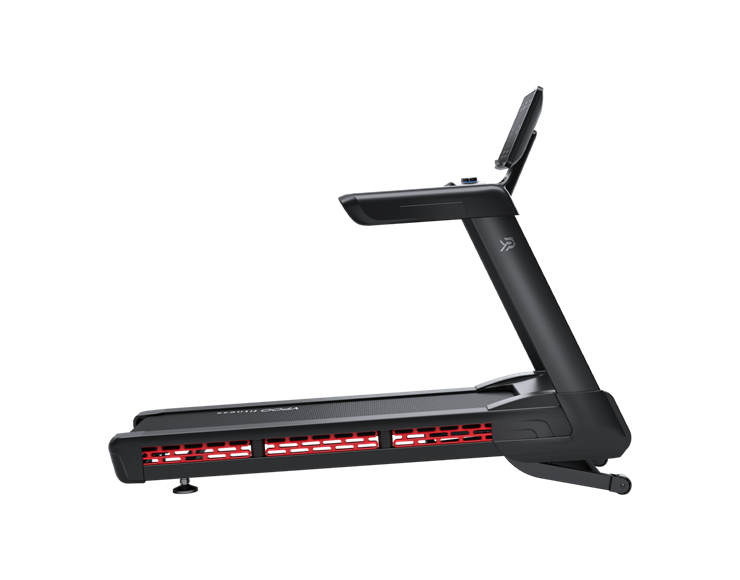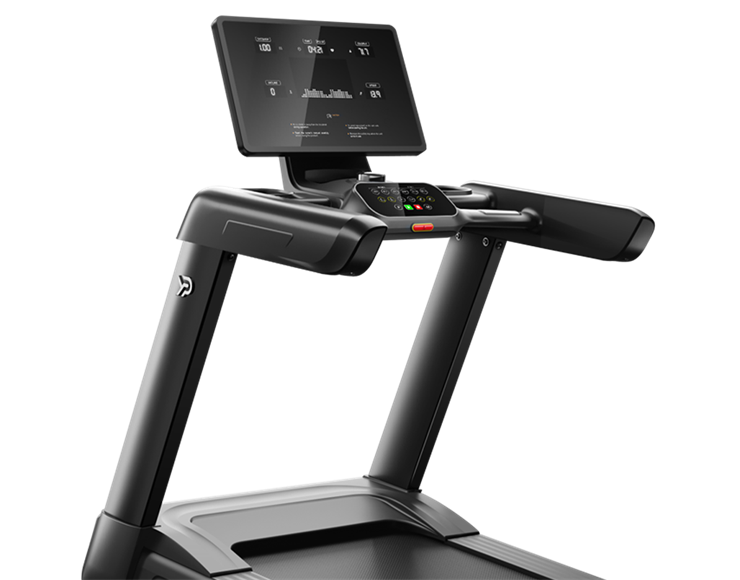

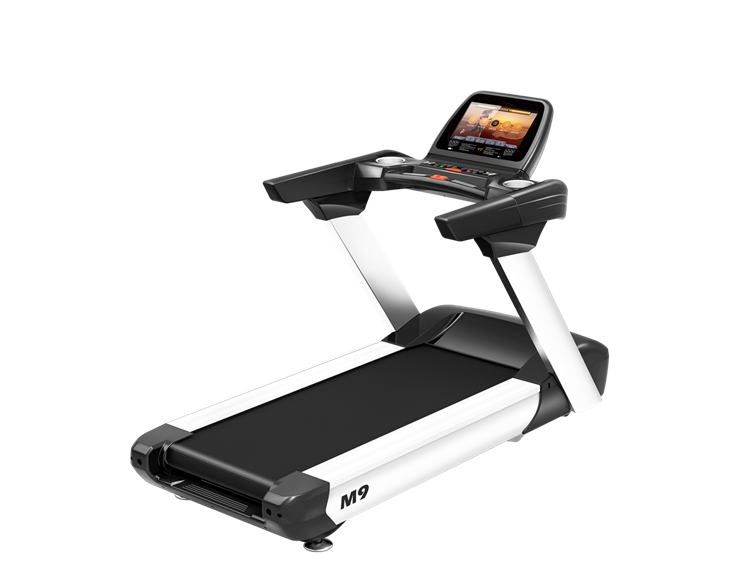
A supplier sends you a treadmill quotation. Nice machines. A row of certification logos at the bottom. Looks reassuring.
But here’s the thing: which of those documents actually help you launch in the US, and which ones belong to another market?
For distributors and private-label brands, treadmill safety standards get a lot easier once you split them into three buckets: mechanical testing, electrical certification, and legal obligations. One logo does not cover all three.
Here’s what to look at before you approve a US order.

Which Treadmill Safety Standards Should US Buyers Check First?
For treadmill design and testing, start with ASTM F2115 and F2106. Add the general fitness-equipment requirements and warning-label standards. For an electrical treadmill, discuss UL 1647 and the appropriate certification route.
| Standard | Main focus | What to request |
|---|---|---|
| ASTM F2115-25 | Treadmill design requirements | Model-specific assessment |
| ASTM F2106-25 | Treadmill test methods | Test report and tested configuration |
| ASTM F2276-23 and F2571-15(2020) | General fitness-equipment requirements and tests | Applicable clause coverage |
| ASTM F1749-15(2026) | Safety signage and labels | Approved warnings and placement |
| UL 1647 | Motor-operated exercise-equipment safety | Applicable evaluation and certification records |
ASTM F2115 and F2106: Treadmill Design and Testing
ASTM F2115-25 covers motorized and user-driven treadmills. It is the treadmill-specific design specification, while F2106-25 provides methods for checking compliance.
That difference matters. “Designed to ASTM” is not the same as showing how a finished sample performed in testing.
Ask the lab to explain its assessment of stability, accessible moving parts, rear-roller guarding, controls, and stopping functions. F2106 also addresses loading, incline systems, folding treadmills, documentation, and warnings. The evaluation should match the configuration you intend to sell.
For example, a different guard, folding latch, or controller may affect the evidence you need. Do not approve a substitution simply because the model name stays the same.
I would also request clear sample identification. Photos, model numbers, component details, and test dates help your purchasing team connect the report to the actual order.
General Fitness-Equipment Standards and Safety Labels
ASTM F2115 is used with broader standards. F2276-23 covers general fitness-equipment design requirements, and F2571-15(2020) supplies related test methods. Ask for a clause-by-clause test plan rather than an unexplained list of standard numbers.
Warnings deserve their own review. F1749-15(2026) addresses safety-sign and label design, placement, and wording. Labels should communicate the actual hazards, not just carry your brand colors.
Check the production artwork and manual together. Can customers find the stop instructions, installation guidance, and maintenance information? Does a private-label overlay hide an important warning? Settle those questions before approving printing.
UL 1647 and NRTL Certification for Electrical Treadmills
UL 1647 covers motor-operated massage and exercise machines. Its publisher lists an active sixth edition with a July 1, 2026 revision. Have your certification body confirm the scope and revision applicable to your treadmill.
Keep the standard separate from the certification mark. An evaluation to a UL standard is not, by itself, permission to put a UL mark on the machine.
For workplace equipment, OSHA’s NRTL guidance is important. NRTLs are recognized testing and certification organizations. Approval requirements apply to many types of electrical equipment used at work; confirm the relevant conditions for the intended installation.
UL is not the only certification organization to consider. Intertek’s ETL Listed program also evaluates products against applicable safety standards. Check the laboratory’s recognized scope and the complete product listing. A certified component does not establish certification of the whole treadmill.
Your retailer or facility may have additional acceptance requirements. Get those in writing before choosing the certification route.
CPSC Rules, Product Certificates, and Importer Responsibilities
ASTM consensus standards should not be described as a universal federal sales license. The CPSC explains that voluntary-standard compliance does not remove reporting duties or other applicable rules. Failure to meet a relevant voluntary standard can also matter in a product-hazard determination.
Check whether your specific product is subject to a CPSC rule requiring a General Certificate of Conformity, or GCC. The GCC obligation depends on applicable rules, not simply on whether a product is a treadmill.
For imports subject to certificate requirements, review CPSC’s updated eFiling guidance. General import requirements took effect on July 8, 2026; the foreign-trade-zone date is January 8, 2027. Confirm applicability with your compliance adviser and customs broker.
Keep an incident-escalation process after launch. Passing tests is not a reason to ignore a serious safety complaint.
Additional US Safety Rules for Treadmill Accessories
Review the accessories in the carton, too. If a remote or another included consumer product contains, or is designed to use, a button cell or coin battery, additional requirements can apply.
CPSC’s battery guidance explains 16 CFR part 1263, which incorporates ANSI/UL 4200A-2023. Ask the lab to assess battery-compartment security, warnings, and any applicable battery-packaging requirements. Do not assume the treadmill’s main test report covers the remote.
This is also why we would review the complete accessory list before deciding which certificates are needed. A late accessory change can introduce a compliance question that the original purchasing brief missed.
Do CE and ISO Reports Cover US Treadmill Safety?
Do not treat a CE mark as a substitute for US workplace electrical approval. OSHA explicitly distinguishes the two.
ISO 20957-6:2021 provides treadmill safety requirements and test methods used with ISO 20957-1. Those reports can support an international product file, but they do not automatically demonstrate coverage of every US requirement.
We would ask the lab for a gap assessment. That is more useful than assuming reports from different standards are interchangeable.
What US Buyers Should Request from a Treadmill Factory
Build the document request around your exact product. Include its intended users, home or facility use, electrical rating, accessories, and private-label name.
- Full reports identifying the tested model, standard editions, results, and any exclusions.
- Certification records and authorized marks, verified through the issuing body’s directory.
- Photos and component records connecting the tested sample to production.
- Approved warning labels, installation instructions, and maintenance documents.
- A written process for reviewing component, firmware, and structural changes.
Do not accept a cropped certificate screenshot as the whole evidence package. Ask which factory, model variants, and electrical ratings the certification covers. Use the issuer’s directory, such as UL Product iQ, to verify claimed certification.
Make Treadmill Safety Part of Your Purchase Plan
The best starting point is a clear model specification and a documented test plan. Confirm requirements early, verify the evidence, and keep production changes under review.
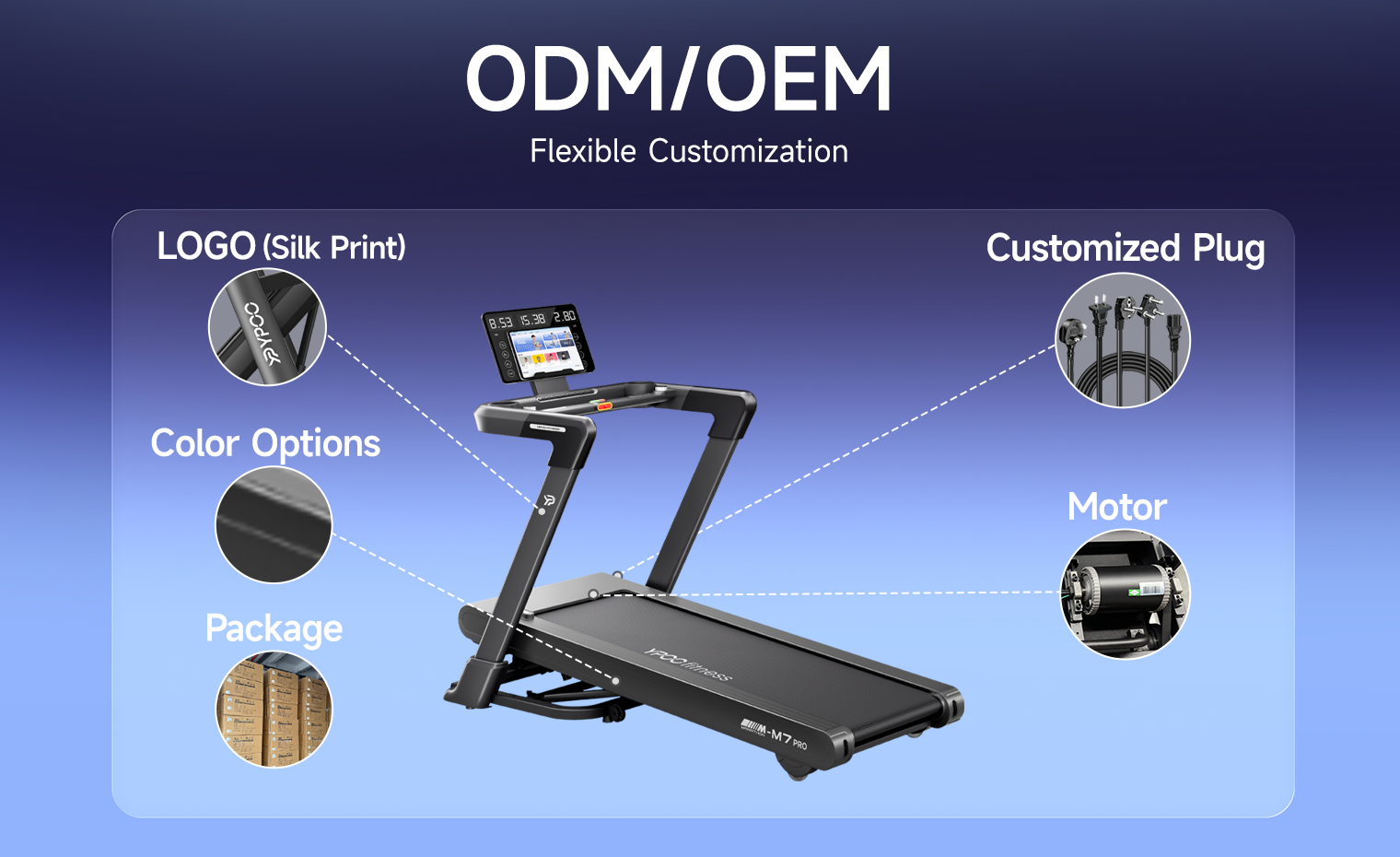
When discussing a project with YPOO, share your US sales channel and intended use so the required documents can be discussed model by model. This overview is purchasing guidance, not a model-specific certification or legal opinion.
FAQs
Are ASTM treadmill safety standards mandatory in the US?
Not automatically. A consensus standard can become relevant through regulation, contracts, or purchasing requirements. Ask your lab and compliance adviser to identify what applies to your model and channel.
What is the difference between ASTM F2115 and F2106?
F2115 sets treadmill design requirements. F2106 provides test methods for evaluating compliance. Ask for both the applicable requirements and evidence showing how the identified sample was tested.
Does every treadmill need a UL mark?
A UL mark is not the only possible certification route. Workplace rules, installation conditions, and buyer requirements determine the needed approvals. An appropriately scoped NRTL may certify to applicable standards using its own authorized mark.
Can I use a CE certificate for a US treadmill order?
Not as proof of US approval. CE documentation serves a different regulatory framework. Keep it in the product file, then obtain the US-specific assessment and evidence your project requires.
Do walking pads need a separate safety review?
Yes. A compact format or different product name does not remove safety concerns. Have the lab assess the intended activity, controls, handrail arrangement, operating modes, and applicable standards for that exact design.