
Wholesale gym equipment buyers often compare price lists first. That is understandable, but it is also where many expensive mistakes begin. Two suppliers may quote similar treadmills, spin bikes, rowing machines, or ellipticals while using different motors, frames, consoles, cartons, certificates, spare-part policies, and warranty workflows.
This guide gives importers, distributors, gyms, hotels, e-commerce sellers, dealer networks, and private-label brands a practical way to buy commercial gym equipment wholesale. It also uses YPOO’s product range and factory positioning as reference points for what serious buyers should ask before confirming samples or bulk production.
What Wholesale Buyers Need First
Wholesale buying starts with a buying program, not a single model. Before asking for a price list, define your product category, destination market, user scenario, target price band, order quantity, packaging channel, warranty level, certificate needs, and after-sales capability. These details tell the supplier whether you need home fitness products, semi-commercial cardio equipment, professional studio bikes, hotel gym machines, or a mixed product range.
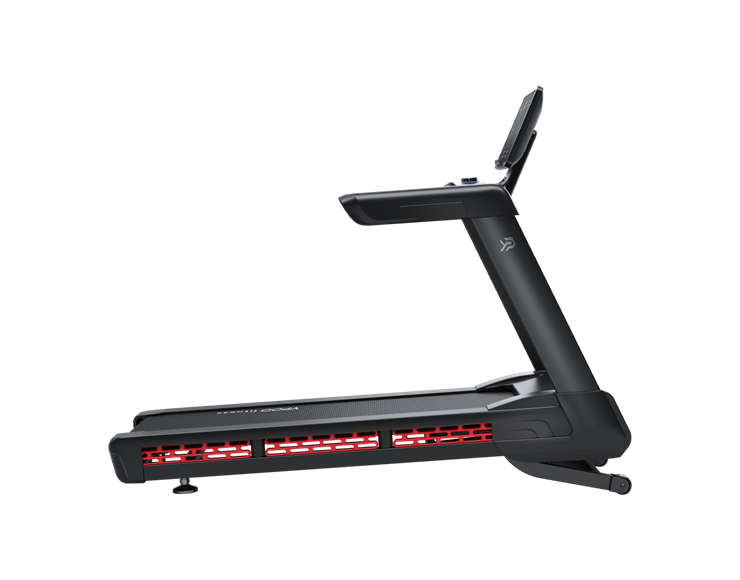
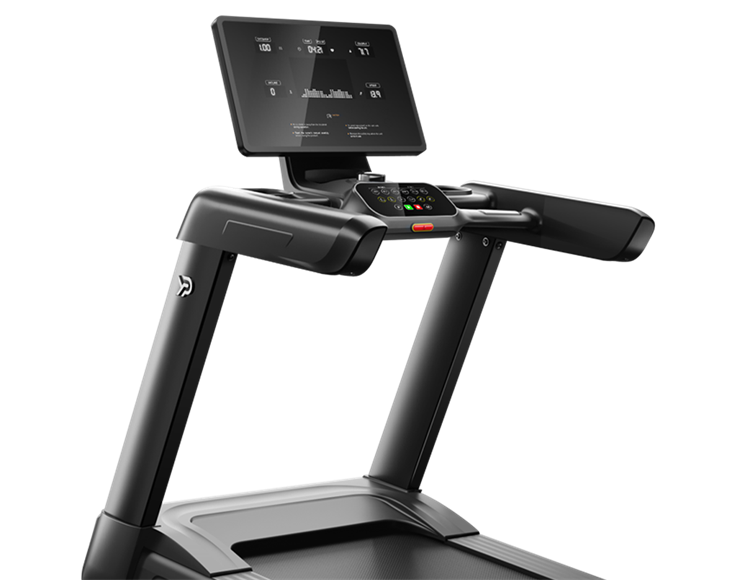
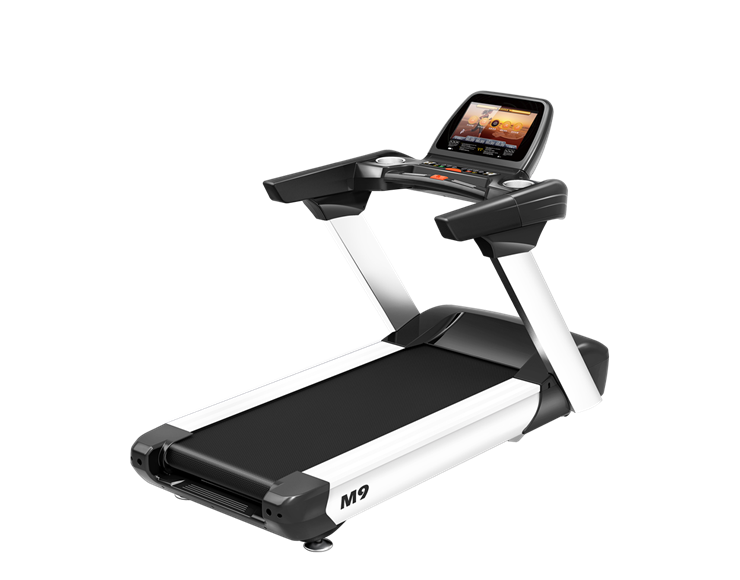
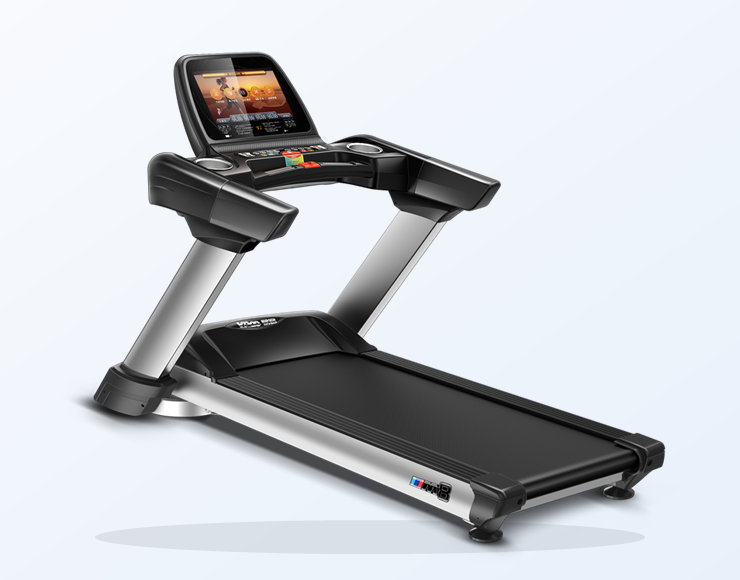
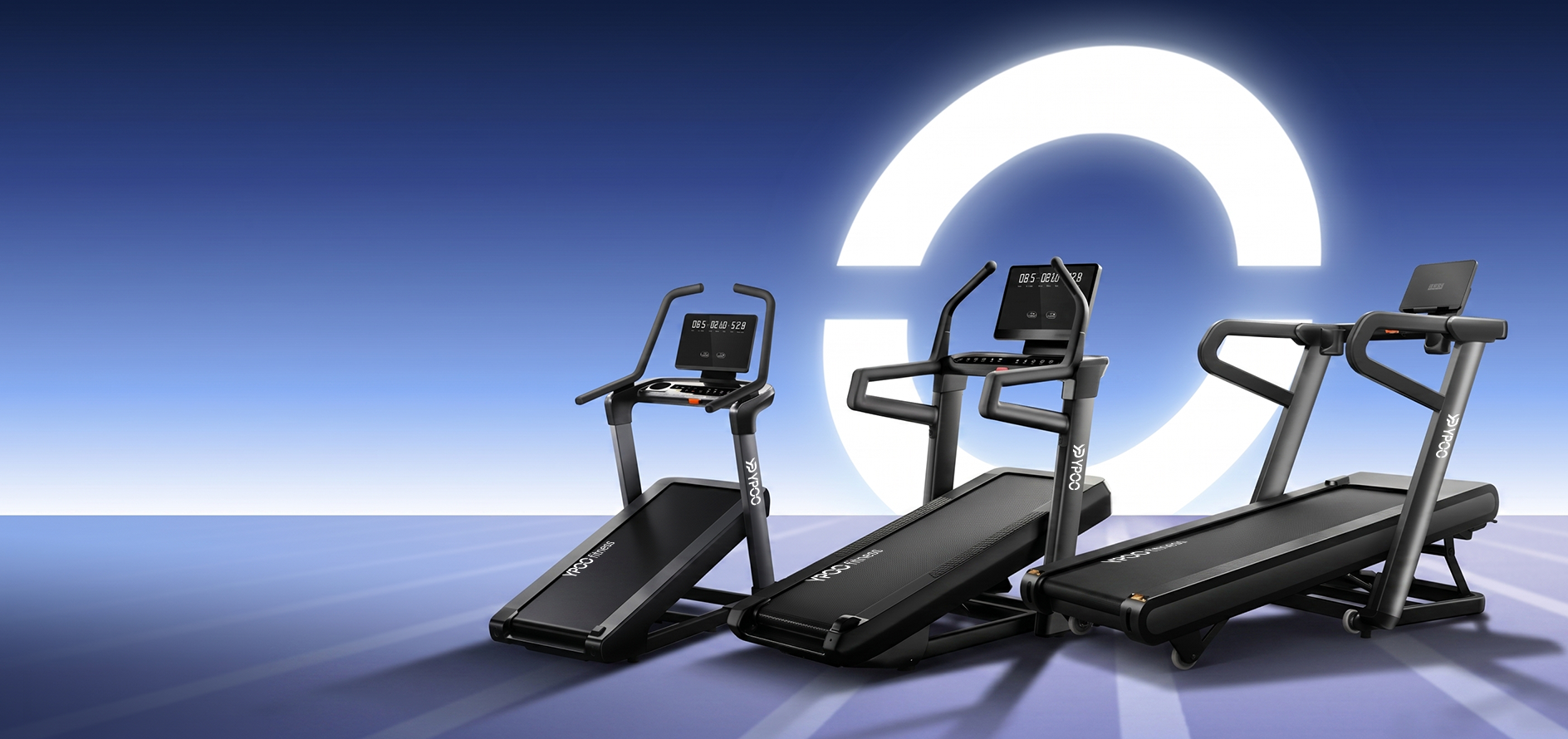
YPOO’s product page covers categories such as treadmills, semi-commercial treadmills, inclined treadmills, walking-running pads, home-use treadmills, spin bikes, exercise bikes, elliptical machines, and rowing machines. For wholesale buyers, this range helps when building a product mix rather than sourcing one isolated machine.
Wholesale Buying Checklist
| Area | What to Verify | Why It Matters |
|---|---|---|
| Supplier role | Factory, trading company, sales office, export entity, payment beneficiary | Controls accountability for samples, production, documents, and claims |
| Product range | Treadmills, spin bikes, exercise bikes, rowing machines, ellipticals, accessories | Helps buyers build a repeatable wholesale catalog |
| MOQ | Base MOQ, mixed-model MOQ, color MOQ, logo MOQ, packaging MOQ | Prevents quote surprises after sample approval |
| Specifications | Motor, belt, flywheel, resistance, frame, console, user weight, carton | Allows fair comparison between suppliers |
| OEM/ODM | Logo, color, plug, voltage, console, app, carton, manual, structure changes | Separates simple branding from engineering work |
| Documents | Certificates, test reports, manuals, labels, invoice, packing list, B/L | Reduces customs, marketplace, and distributor problems |
| QC | Incoming checks, in-line testing, final inspection, batch records | Connects the approved sample to bulk production |
| After-sales | Spare parts, exploded diagrams, repair videos, warranty process | Protects margins after the shipment arrives |
1. Confirm Whether You Need Wholesale or OEM
Wholesale gym equipment usually means selecting existing or factory-ready models and ordering them in volume. OEM work adds buyer branding such as logo, color, packaging, manual, labels, plug, voltage, or accessory list. ODM work goes deeper into product design, structure, console, software, molds, resistance system, or engineering changes.
These paths are not the same. Wholesale orders can move faster when the buyer chooses mature models. OEM orders need more sample confirmation and packaging review. ODM orders require more development time, cost control, testing, and change management. Serious buyers should decide which path they are taking before they compare quotes.
2. Choose the Right Product Mix
A wholesale product mix should match the buyer’s sales channel. A distributor may need several price tiers. A hotel project may need durable cardio machines with simple maintenance. An e-commerce seller may need smaller cartons and clear assembly instructions. A gym chain may care more about service parts and stability than a slightly lower FOB price.
YPOO’s product categories can support several common wholesale programs:
| Product Line | Good Fit | Key Wholesale Checks |
|---|---|---|
| Treadmill | Gyms, dealers, hotels, private-label cardio programs | Motor, belt size, speed, incline, max user weight, console, carton, spare parts |
| Walking-running pad | Home fitness, office wellness, compact e-commerce products | Motor, noise, folding or storage design, remote/app, carton strength |
| Spin bike | Studios, gyms, distributors, online fitness brands | Flywheel, resistance, frame, saddle, handlebar, drive system, stability |
| Exercise bike | Home fitness, light commercial, dealer programs | Resistance, user fit, console, seat adjustment, pedals, gross weight |
| Elliptical | Hotel gyms, family fitness, cardio zones, dealers | Stride feel, flywheel, resistance, frame, handle movement, noise |
| Rowing machine | Home gyms, functional training, boutique fitness, e-commerce | Resistance type, rail, handle, footrest, folding, carton, service parts |
3. Read the Quote Like a Contract
A wholesale quote should define exactly what is included. Ask for model number, configuration, motor or resistance system, console, plug, voltage, color, logo, carton, manual, certificate status, MOQ, lead time, payment terms, Incoterms, loading port, warranty, spare parts, and validity date. If those details are missing, the quote is not ready for purchasing approval.
Buyers should also ask whether the price changes when they add logo, private-label carton, local-language manual, plug change, voltage change, app function, color change, or mixed-model order. A low quote that excludes packaging, documents, or spare parts may become expensive later.
Quote Comparison Table
| Quote Item | Question to Ask | Risk if Missed |
|---|---|---|
| Unit price | Which exact model and configuration does the price cover? | Suppliers may quote different specs under similar product photos |
| MOQ | Can models be mixed, and what MOQ applies to logo or packaging? | The order quantity may rise after sample approval |
| Lead time | Does lead time start after deposit, artwork approval, or sample approval? | Delivery schedule becomes unclear |
| Packaging | What carton, foam, pallet, and loading plan are included? | Transport damage can destroy wholesale margins |
| Documents | Which certificate files, manuals, labels, and export documents are included? | Customs or marketplace review can be delayed |
| Inspection | Can the buyer arrange third-party or live inspection before balance payment? | Problems are discovered after shipment |
| Warranty | Which parts are covered and how are claims handled? | After-sales promises become hard to execute |
4. Verify Product Specifications by Category
Specification comparison is the heart of wholesale buying. Product photos do not show motor quality, controller match, belt size, frame thickness, flywheel balance, resistance smoothness, carton strength, or spare-part availability. Ask for model-level specification sheets and compare them before sample payment.
For treadmills, check motor type, CHP or peak power, running belt size, speed, incline, user weight, deck structure, roller size, console, net weight, gross weight, and carton size. For bikes, check frame, flywheel, resistance, belt or chain drive, saddle, handlebar, crank, pedals, console, and stability. For rowers and ellipticals, check resistance type, rail or stride structure, frame weight, folding design, user weight, noise, and service parts.
5. Check Factory Role Before Paying a Deposit
Buyers should know who they are paying and who controls production. Ask for legal company name, business license, factory address, export entity, payment beneficiary, production role, sample room, QC area, packaging area, warehouse, and shipment experience. If the supplier is a sales office or trading company, ask who the actual manufacturer is.
YPOO describes itself as one of the large manufacturers in China, specializing in treadmills, elliptical trainers, spinning bikes, and rowers, with development, design, production, and direct sales. Buyers can still verify every order with live factory walkthroughs, sample testing, production records, and inspection reports.
6. Control OEM Details Early
Wholesale buyers often request OEM details after agreeing on price. That creates problems. Logo, color, carton, manual, plug, voltage, label, accessory list, and photos should be discussed before the quote is locked. Some changes are simple, but others affect MOQ, lead time, compliance documents, or testing.
Ask the supplier to separate standard options from custom options. A professional quote should state which customizations are included, which require extra cost, which require MOQ, and which may need new sample confirmation.
7. Verify Compliance Documents
Documents should match the product model and destination market. Ask for certificate files, test reports, Declaration of Conformity where applicable, user manual, product label, carton label, importer details, and any documents required by your sales channel. Do not accept a generic certificate without checking the model number, product photo, holder name, standard, issue date, and scope.
If the wholesale order includes electronics, Bluetooth, app functions, plugs, voltage changes, or different consoles, document review becomes more important. For European-market buyers, YPOO’s CE fitness equipment checklist explains how to verify compliance files before production.
8. Treat Packaging as Part of the Product
Fitness equipment is heavy, bulky, and expensive to return. Packaging should be reviewed as carefully as the machine itself. Ask for carton size, gross weight, foam design, accessory layout, manual position, barcode, shipping mark, pallet plan, loading quantity, and drop-test method.
For e-commerce wholesale, packaging may need stronger protection than dealer pallet shipments. For distributor orders, cartons and labels should support warehouse handling, scanning, storage, and repeat shipments. If the packaging is weak, a good product can still become a bad wholesale program.
9. Inspect Before Balance Payment
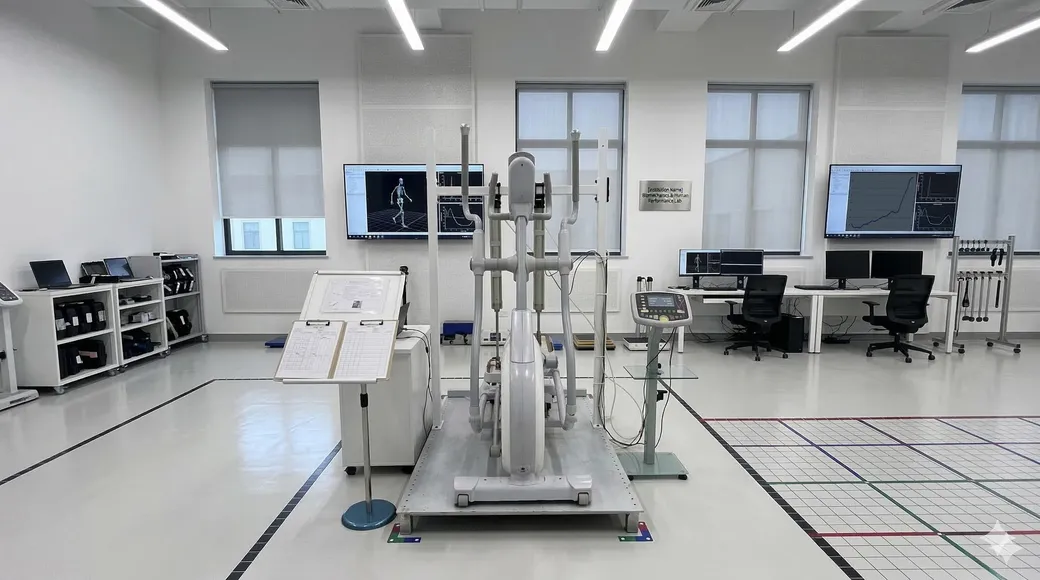
Wholesale buyers should plan inspection before production is finished. Ask for an inspection window in the purchase order. The inspection should check product appearance, function, accessories, labels, manual, carton, barcode, carton marks, random function testing, spare parts, and loading photos.
For first orders, arrange third-party inspection or a detailed live inspection. For repeat orders, keep a consistent checklist so changes in components, labels, packaging, or documents are found before shipment.
10. Prepare Spare Parts and Warranty Workflow
Wholesale programs need spare parts before complaints begin. Ask for exploded diagrams, part codes, recommended spare ratio, repair videos, troubleshooting guides, warranty terms, response time, and claim evidence requirements. The spare-part list should match the exact models being shipped.
For treadmills, key parts may include motor, controller, belt, deck, rollers, console, safety key, incline motor, side rails, and power cord. For bikes, key parts may include pedals, saddle, resistance parts, belt, crank, bearings, console, sensors, knobs, and covers. For rowers and ellipticals, ask for rails, handles, pulleys, resistance parts, pedals, sensors, and hardware.
11. Understand Payment Terms and Incoterms
Payment terms should match inspection and shipment risk. Many wholesale orders use a deposit before production and balance before shipment. Buyers should connect the balance payment to inspection approval, document review, packing list confirmation, and loading schedule.
Incoterms also matter. FOB, EXW, CIF, and other terms change who controls inland transport, export clearance, freight, insurance, and destination handling. Work with your freight forwarder or customs broker before confirming the order, especially for heavy products with high freight impact.
12. Build a Repeat Order System
The goal of wholesale gym equipment sourcing is not one shipment. It is a repeatable system. Keep a folder for each model that includes specification sheet, approved sample photos, quote, purchase order, certificate files, label artwork, manual, carton details, inspection checklist, spare-part list, warranty workflow, packing list, and shipment documents.
This file helps the buyer repeat orders, compare suppliers, train the sales team, answer marketplace questions, and handle after-sales claims. It also prevents confusion when a supplier changes components, cartons, labels, or model names.
Common Wholesale Buying Mistakes
- Comparing only FOB price without checking specifications and carton details.
- Ordering mixed models without confirming MOQ, color MOQ, or packaging MOQ.
- Approving samples before reviewing certificates, labels, manuals, and spare parts.
- Using home-use models for hotel, dealer, or gym channels.
- Ignoring carton strength and loading quantity until shipment week.
- Skipping third-party inspection for the first order.
- Accepting vague warranty terms without part codes or a claim process.
- Leaving import documents and marketplace documents until goods are ready.
When to Contact YPOO
Contact YPOO when you need commercial gym equipment wholesale support for treadmills, walking-running pads, spin bikes, exercise bikes, ellipticals, rowing machines, hotel fitness rooms, dealer networks, e-commerce programs, private-label brands, or mixed product ranges. YPOO can support model selection, samples, OEM/ODM discussion, packaging review, QC communication, spare-part planning, and export coordination.
You can browse YPOO products, review the manufacturing gym equipment buying guide, check the treadmill OEM page, visit the spin bike page, or contact YPOO to discuss MOQ, samples, private-label options, and shipment planning.
FAQ
What should buyers check before ordering wholesale gym equipment?
Buyers should check supplier role, product range, MOQ, model specifications, OEM options, compliance documents, packaging, QC inspection, spare parts, warranty workflow, payment terms, Incoterms, and shipment documents.
How do I compare wholesale gym equipment quotes?
Compare exact model configuration, specifications, MOQ, customization scope, carton size, gross weight, loading quantity, certificate status, inspection plan, spare parts, warranty terms, lead time, payment terms, and total landed risk, not only unit price.
Can wholesale gym equipment orders include OEM branding?
Yes. Many wholesale orders include OEM branding such as logo, color, carton artwork, manual language, labels, plug, voltage, and accessory list. Buyers should confirm which changes are included and which require extra MOQ, cost, sample time, or document review.
Why is packaging important for wholesale fitness equipment?
Fitness equipment is heavy and expensive to return. Strong cartons, foam protection, accessory layout, pallet planning, loading quantity, and carton labels reduce damage, warehouse problems, and customer complaints after shipment.
Can YPOO support wholesale gym equipment buyers?
Yes. YPOO supports wholesale gym equipment buyers with product selection, OEM/ODM discussion, samples, packaging review, QC communication, spare-part planning, warranty workflow, and export order coordination across treadmills, spin bikes, exercise bikes, ellipticals, rowing machines, and related fitness equipment categories.
Final Recommendation
Commercial gym equipment wholesale buying should be handled as a system: choose the right product mix, compare real specifications, confirm MOQ and customization, verify documents, inspect production, review packaging, prepare spare parts, and control shipment records. The right supplier should make repeat orders easier, not only the first quote cheaper.
To start a wholesale gym equipment sourcing discussion, visit YPOO products or contact YPOO with your product categories, target market, order quantity, packaging needs, and delivery timeline.