
Don’t be fooled by a sticker or a quick PDF, real treadmill CE certification takes much more than that. A reliable manufacturer should easily trace your specific treadmill model to official EU safety standards, technical files, clear manuals, and factory test records.
For importers and custom brands, the big test comes down to custom changes. When you tweak the motor, console, Bluetooth, plug, or nameplate, can your supplier actually keep that compliance intact?
This guide focuses on manufacturer screening for treadmills. For a broader document-by-document review across fitness equipment categories, use YPOO’s CE fitness equipment checklist.
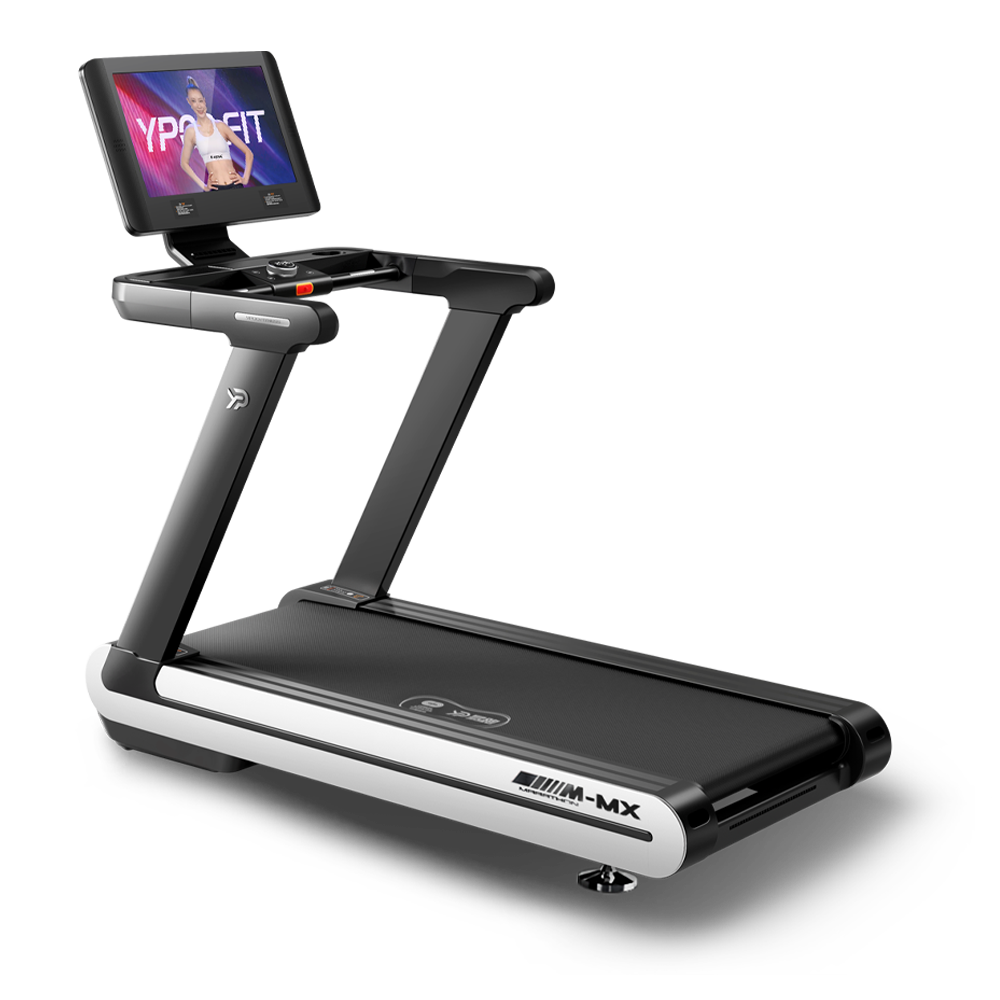
Quick Answer: How Do You Source a CE-Ready Treadmill Manufacturer?
Choose a manufacturer that can identify the exact product configuration, map the applicable EU rules, show model-matched test evidence, maintain technical documentation, issue the correct declaration, and control production changes. Treat any “CE certificate” as supporting evidence only. The factory must explain what was assessed, who is legally responsible, and how every shipped unit stays consistent.
| Evidence | What Good Looks Like | Red Flag |
|---|---|---|
| Model identity | Motor, controller, console, voltage, radio module, and labels are defined | One report is offered for unrelated configurations |
| Legal scope | Applicable legislation is listed with a reason for each item | A salesperson says “CE covers everything” |
| Test evidence | Reports identify the same model and critical components | Only a one-page certificate is available |
| Technical file | Risk assessment, drawings, parts, tests, manual, and labels are controlled | No owner or revision record exists |
| Production control | Approved parts and final inspections are traceable by batch | Components can change without written approval |
What Treadmill CE Certification Really Means
“CE certification” is a common sourcing phrase, but EU authorities describe CE marking as the manufacturer’s responsibility. The manufacturer identifies applicable rules and standards, carries out the conformity assessment, prepares technical documentation, signs the declaration of conformity, and affixes the mark. The European Commission’s CE guidance for manufacturers sets out that sequence.
This distinction matters because a laboratory report does not replace the manufacturer’s legal declaration. A certificate from a test company can support the file, but buyers still need to verify its scope and connection to the ordered treadmill.
CE marking is not a universal test certificate. The correct conformity route depends on the product and applicable legislation. Some routes require a notified body; others allow manufacturer assessment. A supplier should document why its selected route is valid. Do not accept a notified-body logo, report number, or “CE approved” statement without checking the named model, issuing body, scope, and underlying legislation.
5 Steps to Source a CE-Ready Treadmill Manufacturer
1. Freeze the Exact Treadmill Configuration
Compliance starts with an identifiable product. Record the commercial name, internal model, intended use, user class, frame, motor, controller, power supply, voltage, plug, incline system, console, emergency stop, safety key, wireless functions, maximum user weight, labels, and manual version.
This baseline should match the sample, quotation, bill of materials, reports, declaration, packaging, and mass-production inspection sheet. If the supplier cannot connect these records, the treadmill CE certification package may describe a different machine.
A logo or color change may be simple, but a new controller, touchscreen, app, Bluetooth module, motor, incline system, power cord, or safety component can affect the assessment. Require a written change review before substitution. The review should decide whether drawings, risk analysis, testing, labels, manual, or declaration need revision.
YPOO’s treadmill OEM vs ODM guide explains why deeper customization needs more engineering control than private labeling.
2. Map the EU Legislation for the Model
As of August 2026, machinery placed on the EU market is still assessed under Directive 2006/42/EC. Regulation (EU) 2023/1230 will apply from 20 January 2027 and repeal that directive. A manufacturer supplying 2027 orders should already be preparing documentation and production systems for the transition.
Other rules can apply according to the treadmill’s configuration. Motorized equipment may require electromagnetic compatibility analysis under Directive 2014/30/EU. A console that intentionally transmits or receives radio signals can bring the Radio Equipment Directive 2014/53/EU into scope. Electrical and electronic assemblies may also require RoHS evaluation. The supplier should map each act to the exact model instead of copying a declaration from another product.
Build a Per-Model Compliance Matrix
Ask for a one-page matrix with columns for legislation, reason it applies, standards or specifications used, report numbers, document owner, version, and open gaps. This makes missing evidence visible before sample approval and prevents a general “CE package” from hiding model differences.
3. Verify Treadmill Standards and Test Evidence
ISO 20957-1:2024 covers general safety requirements and test methods for stationary training equipment. ISO 20957-6:2021 adds treadmill-specific requirements for powered and manually driven treadmills. Buyers should ask which EN or harmonised versions are used for the EU conformity assessment and verify current references rather than assuming every ISO edition automatically creates a presumption of conformity.
Test evidence should identify the tested model, photographs, ratings, critical parts, methods, results, dates, laboratory, and report authorization. Review the full report when possible, not only its cover page.
Match Safety Tests to the Sales Configuration
Compare the report with the ordered running belt, speed range, incline, maximum user weight, handrails, accessible gaps, emergency-stop behavior, console, and electrical system. Request clarification for any mismatch. If several models share one report, ask for the technical rationale showing why the family grouping is valid.
4. Audit the Technical File and Declaration
A compliance-ready factory should have a controlled technical file, even when it cannot disclose every proprietary drawing before an order. Ask to review its index and selected evidence: risk assessment, design drawings, circuit information, critical-component list, calculations, test reports, assembly controls, inspection records, labels, warnings, instructions, and declaration draft.
The declaration should identify the manufacturer and model, applicable legislation, standards used, responsible signatory, and other required details. Names and addresses must match the product, business documents, and legal supply arrangement. A trading company can participate, but responsibility must not become ambiguous.
Check Labels, Manuals, and Traceability Together
The CE mark, rating plate, model, serial or batch identification, manufacturer details, warnings, and manual should tell the same story. Confirm destination-language instructions and importer information with an EU compliance professional. Keep revision-controlled artwork in the approved sample package.
5. Verify Factory Change Control and Batch Consistency
The strongest file is useless if production silently changes. Audit incoming inspection, approved supplier lists, component coding, first-article checks, assembly instructions, safety-function tests, final inspection, nonconformance handling, calibration, and batch traceability.
During a factory review, select a production unit and trace its motor, controller, console, cable, label, manual, and final test record back to approved documents. For a first order, use a pre-shipment inspection that includes both product checks and document consistency. The China treadmill manufacturer checklist provides a wider audit framework.
Require Written Approval for Substitutions
Your purchase agreement should prohibit unapproved changes to safety, electrical, radio, software, and structural components. The manufacturer should notify you, assess compliance impact, update evidence where required, and obtain approval before production resumes.
Treadmill CE Manufacturer Scorecard
Score candidate factories before paying a deposit:
- 20% configuration control: the exact model and critical parts are defined.
- 20% legal mapping: applicable EU acts and transition dates are understood.
- 20% evidence quality: standards and reports match the ordered treadmill.
- 20% technical documentation: the file, declaration, labels, and manual are controlled.
- 20% production consistency: substitutions, inspections, and batches are traceable.
Reject a supplier with a blocking gap even if its total score looks acceptable. Missing model identity, unverifiable reports, or uncontrolled component changes should stop approval until corrected.
YPOO can help align product selection, sample control, manufacturer records, and document review before production. Browse the treadmill range or contact YPOO to discuss a compliance-ready sourcing plan.
FAQ
Is a CE certificate enough for a treadmill?
No. A certificate may support the assessment, but buyers should also verify applicable legislation, model-matched evidence, technical documentation, the declaration of conformity, labels, instructions, and production control.
Who is responsible for treadmill CE marking?
The manufacturer is responsible for conformity assessment, technical documentation, the declaration, and affixing the CE mark. Importers and distributors also have obligations to check compliance before placing products on the EU market.
Does changing a console affect CE compliance?
It can. A different console may change electrical, EMC, radio, software, labeling, and risk evidence. Require a documented impact review before approving the change.
Which treadmill safety standard should buyers check?
ISO 20957-1 covers general stationary training equipment requirements, while ISO 20957-6 adds treadmill-specific requirements. Confirm the applicable EN or harmonised references for the EU assessment.
When does the new EU Machinery Regulation apply?
Regulation (EU) 2023/1230 applies from 20 January 2027. Products placed on the market before that transition must be assessed under the legislation applicable at that time.
This article is a sourcing guide, not legal advice. Confirm the final conformity route and importer obligations with a qualified EU product-compliance professional.