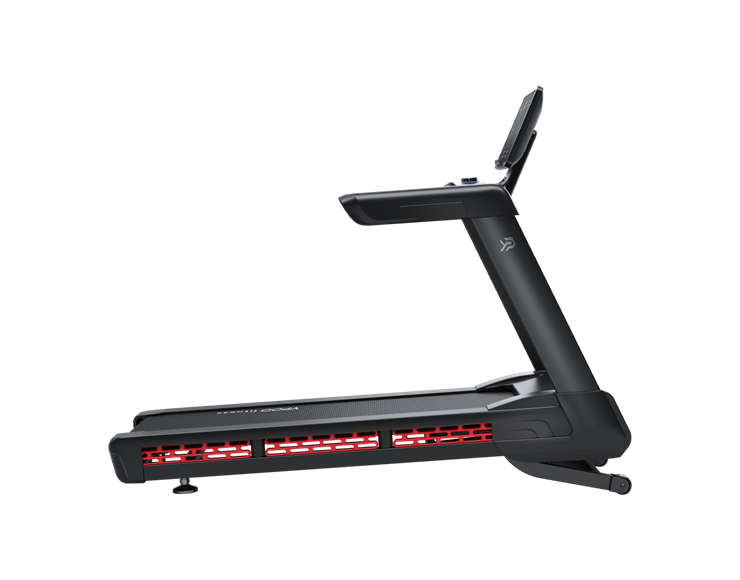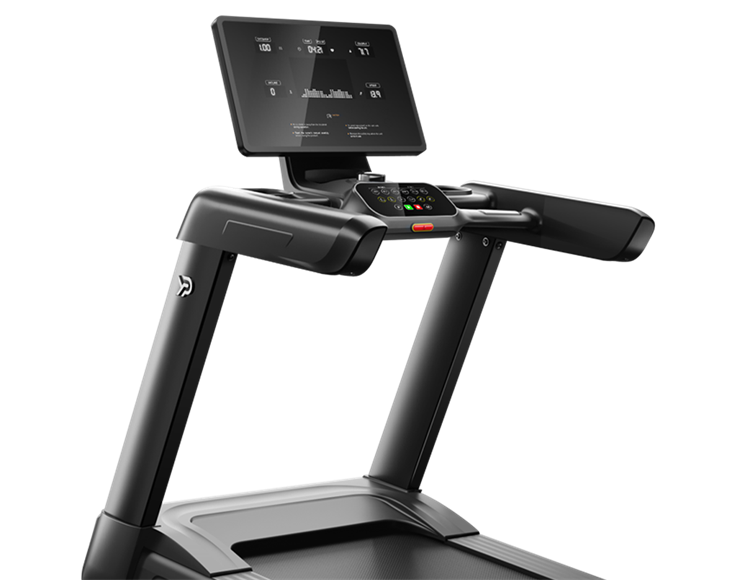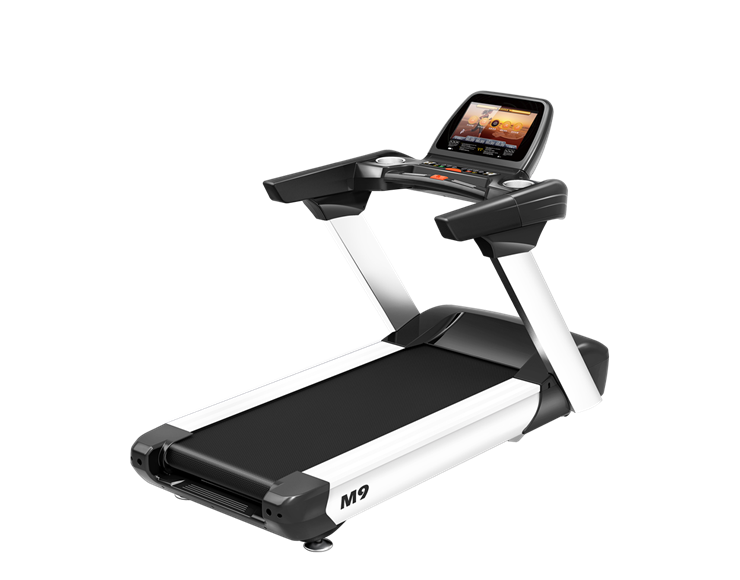


Selling treadmills looks simple from the outside. Find a supplier, add a margin, and take orders. In practice, a lasting business also needs a clear market, controlled costs, service parts, and products that fit its customers.
That is why most successful distributors start with a plan, not a warehouse full of inventory.
If you want to become a treadmill distributor, you do not need a huge catalog on day one. You need a focused plan and a supportive manufacturer. This guide takes you from the first market check to the first repeat order.
What Does a Treadmill Distributor Do?
A distributor buys treadmills from a manufacturer or brand and resells them in a defined market. Customers may be home users, gyms, hotels, property projects, retailers, or other dealers.
The job goes beyond sales. It may include importing stock, local marketing, delivery, installation, warranty claims, and spare parts. The supplier agreement should define the exact role.
There are three common models:
- Authorized brand distribution: You sell the manufacturer’s brand in your territory.
- Wholesale distribution: You buy several established models and resell them to businesses or retailers.
- Private label distribution: The factory produces treadmills with your brand, colors, packaging, and selected features.
Private label gives more control, but also brings more responsibility for approval, compliance, branding, and service.

Is Treadmill Distribution the Right Business for You?
A treadmill is heavy, powered, and used under repeated load. Shipping, storage, installation, and repairs can quickly reduce profit.
This business suits companies that can build local sales channels and support products after delivery. Existing relationships with gyms, retailers, hotels, or property projects are a useful starting point.
Before contacting factories, ask potential buyers what they use, what fails, which prices move, and how fast they expect service. The U.S. Small Business Administration’s planning guidance also puts market research and competitive analysis before the business plan. Local rules will differ, but the logic travels well.
9 Steps to Become a Treadmill Distributor
1. Define Your Target Market and Customer
“Everyone who needs a treadmill” is too broad. Start with home-fitness retailers, commercial gyms, hotels, corporate gyms, or premium residential buyers.
Your customer decides the product. Home buyers may value folding size and quiet use. Commercial buyers look harder at duty level, stability, service access, and warranty. Record the target price, daily use, user size, and main buying reason.
2. Choose Your Distribution Model
Decide whether to sell an existing brand or build your own. Authorized distribution can bring ready-made materials and recognition. Private label gives more control over positioning and the range.
Ask about territory, targets, exclusivity, online sales, dealer rights, and image use. One container does not automatically buy exclusive rights. Put every agreed term in writing.
3. Register the Business and Build a Sales Plan
Complete the business, tax, import, insurance, and consumer-protection steps required locally. Use professional advice where needed.
Make a simple sales plan with channels, lead targets, order value, delivery area, stock policy, and service coverage. Real numbers matter more than length.
4. Build a Focused Treadmill Lineup
Cover real needs without making stock hard to manage. A new range may have an entry model, a mid-range folding model, and a stronger commercial option. Add more only for a clear customer.
Compare motor rating, speed, incline, running area, user weight, folded size, console, carton size, and service parts. Our guide to wholesale treadmill features connects those specifications to a sellable range.
5. Find and Verify the Right Manufacturer
Match the supplier’s real strengths to your range. Check its license, factory role, production, quality process, export history, engineering, and after-sales team. Ask who makes the main components.
A catalog is not proof of production. Request a live factory call or visit. Compare the production, test, and packing areas with the quoted products.
6. Test Samples and Check Compliance
Test representative samples before a bulk purchase. Check speed, incline, emergency stop, belt tracking, noise, frame movement, console response, folding parts, wiring, labels, and service access.
Match every report to the exact model. ISO 20957-6:2021 covers specific treadmill safety requirements and test methods alongside ISO 20957-1. Review the official ISO scope, then confirm your market’s rules.
EU importers and distributors have their own checks and documentation duties. The European Commission guidance is a useful starting point. Selling under your own name may also change your responsibilities.
7. Calculate Landed Cost and Selling Margin
Factory price is one line. Add packaging, local transport, freight, insurance, duty, tax, port and customs fees, storage, delivery, installation, marketing, parts, and warranty labor.
Calculate landed cost by model. Confirm carton dimensions and loading quantity from a real packing plan. State the Incoterms rule and named place in the contract because these rules allocate key delivery costs and risks.
8. Set Up Service, Warranty, and Spare Parts
After-sales service is part of the product. Decide who handles calls, site visits, claims, and labor costs. Train at least one technician before launch.
Stock common belts, boards, rollers, safety keys, sensors, cables, and lift parts. Ask for drawings, error codes, service videos, part numbers, and response times. Clear support encourages repeat orders.
9. Launch Small, Measure, and Reorder Carefully
Begin with samples or a controlled shipment. Test demand, delivery, assembly, packaging, returns, and the real service workload. Track model sales, repeated questions, and parts requests.
Share the data before reordering and adjust the model mix. Expand into new prices, channels, or markets only when sales and service become predictable.
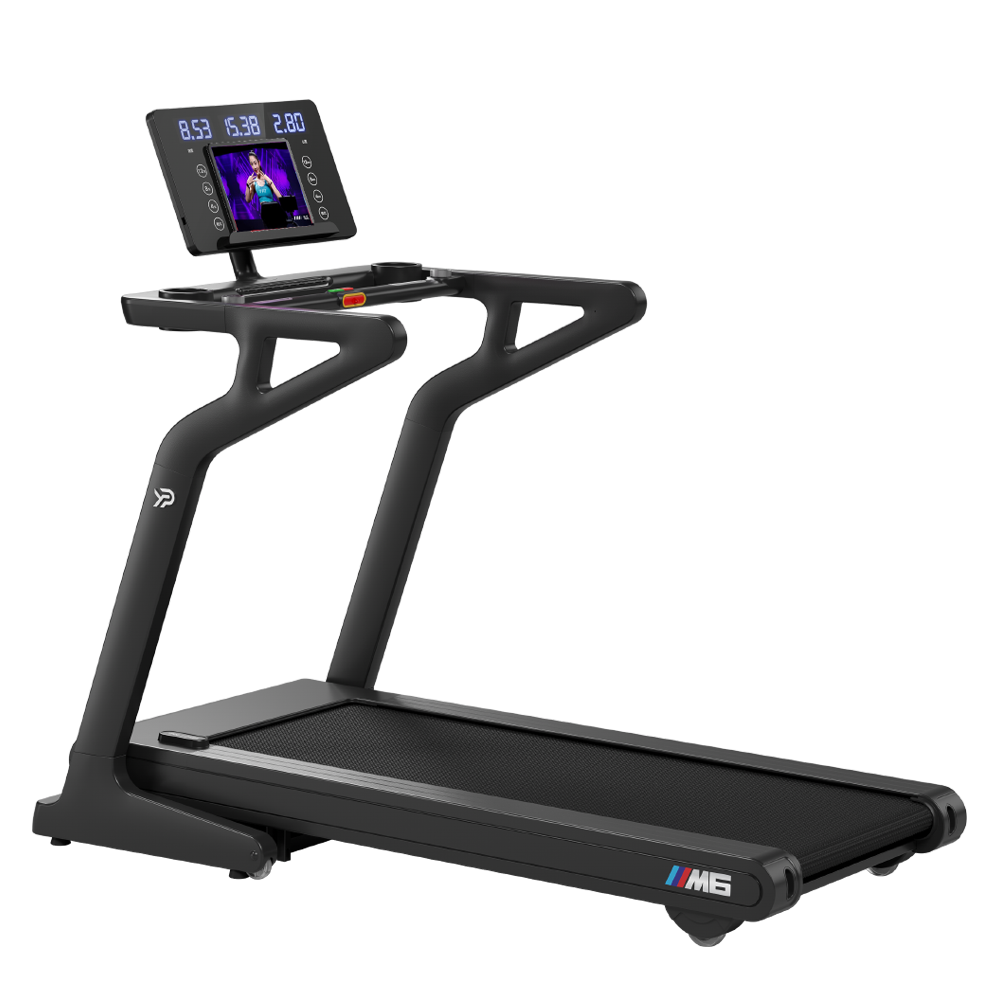
What to Ask a Treadmill Manufacturer
Send the same questions to every shortlisted supplier. That makes quotations easier to compare.
| Area | Questions to ask |
|---|---|
| Products | Which models fit my customer, use level, and target price? |
| Orders | What are the sample policy, MOQ, mixed-model rules, and lead time? |
| Branding | Which logo, color, console, manual, carton, and app changes are available? |
| Quality | What checks happen during production and before shipment? |
| Compliance | Which reports and declarations match each exact model and market? |
| Support | What warranty, spare-parts ratio, training, and claim process are included? |
| Territory | Are there sales targets, channel limits, or exclusivity conditions? |
Ask for each answer in the quotation or agreement. A friendly conversation helps, but written details prevent expensive misunderstandings.
How Much Money Do You Need to Start?
There is no universal number. An order-on-demand dealer needs less cash than an importer holding containers. The budget depends on product level, MOQ, freight, duty, storage, channels, and service.
Budget for samples, first inventory, import charges, storage, delivery, marketing, service tools, and spare parts. Keep working capital for delays and warranty cases. Place the smallest order that can test your plan properly.
Start Your Treadmill Distribution Business With YPOO
YPOO works with distributors, wholesalers, project suppliers, and private-label fitness brands. We can help you compare treadmill platforms, plan a focused model range, review customization, prepare samples, and discuss production and spare-parts support.
Tell us your country, customer type, target price, sales channels, expected order size, and certification needs. The clearer the brief, the easier it is to recommend a practical starting range.
Contact YPOO to discuss your treadmill distributor project and next steps.
FAQ
Do I need experience to become a treadmill distributor?
Fitness-industry experience helps, but it is not required. You do need a clear customer group, enough working capital, a sales channel, and a realistic plan for delivery, installation, warranty, and repairs.
Should I sell an existing treadmill brand or create my own?
An existing brand may be faster to launch. Private label offers more control over positioning and product details, but it brings more responsibility for approvals, compliance, marketing, and support.
What is a normal MOQ for treadmill distributors?
MOQ varies by model, customization, packaging, and factory policy. Ask whether you can mix models in one order and whether sample costs can be credited after a bulk purchase.
Can I get exclusive distribution rights?
Possibly. Factories may base exclusivity on territory, yearly sales targets, marketing commitments, channel limits, and payment performance. Define every condition, review period, and exception in writing.