
Planning to launch a treadmill under your own brand? Before you ask a treadmill manufacturer for a final quote, it helps to answer one simple question first: do you need OEM or ODM? If you already have a product in mind and mainly need your logo, colors, and packaging, OEM is usually the easier choice. It is faster, simpler, and works well for a quick launch. If you want something more unique, ODM may be a better fit. Maybe you need a new frame, console, app, folding design, or a product style that feels different from the market.
In this guide, we’ll explain OEM and ODM in simple terms. You’ll also learn the basic timeline, key steps, and what to prepare before working with a treadmill manufacturer.
What Treadmill OEM Means
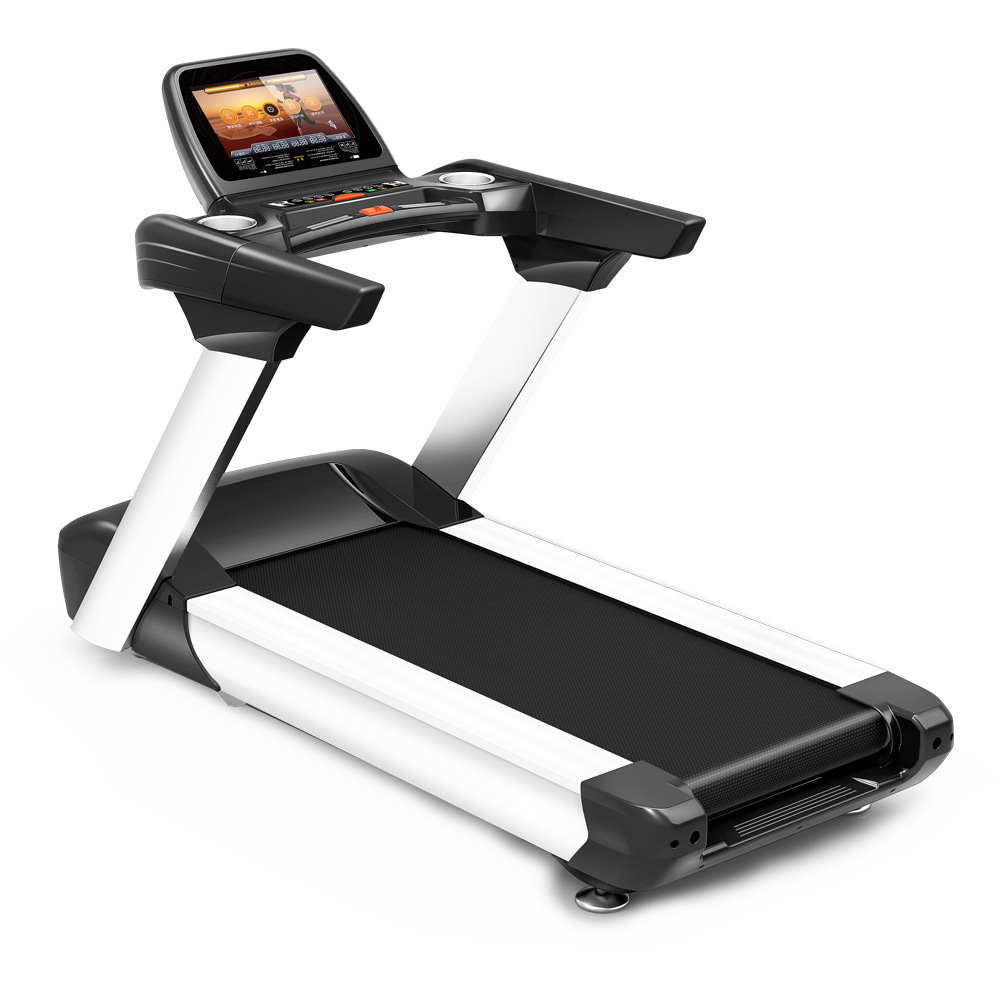
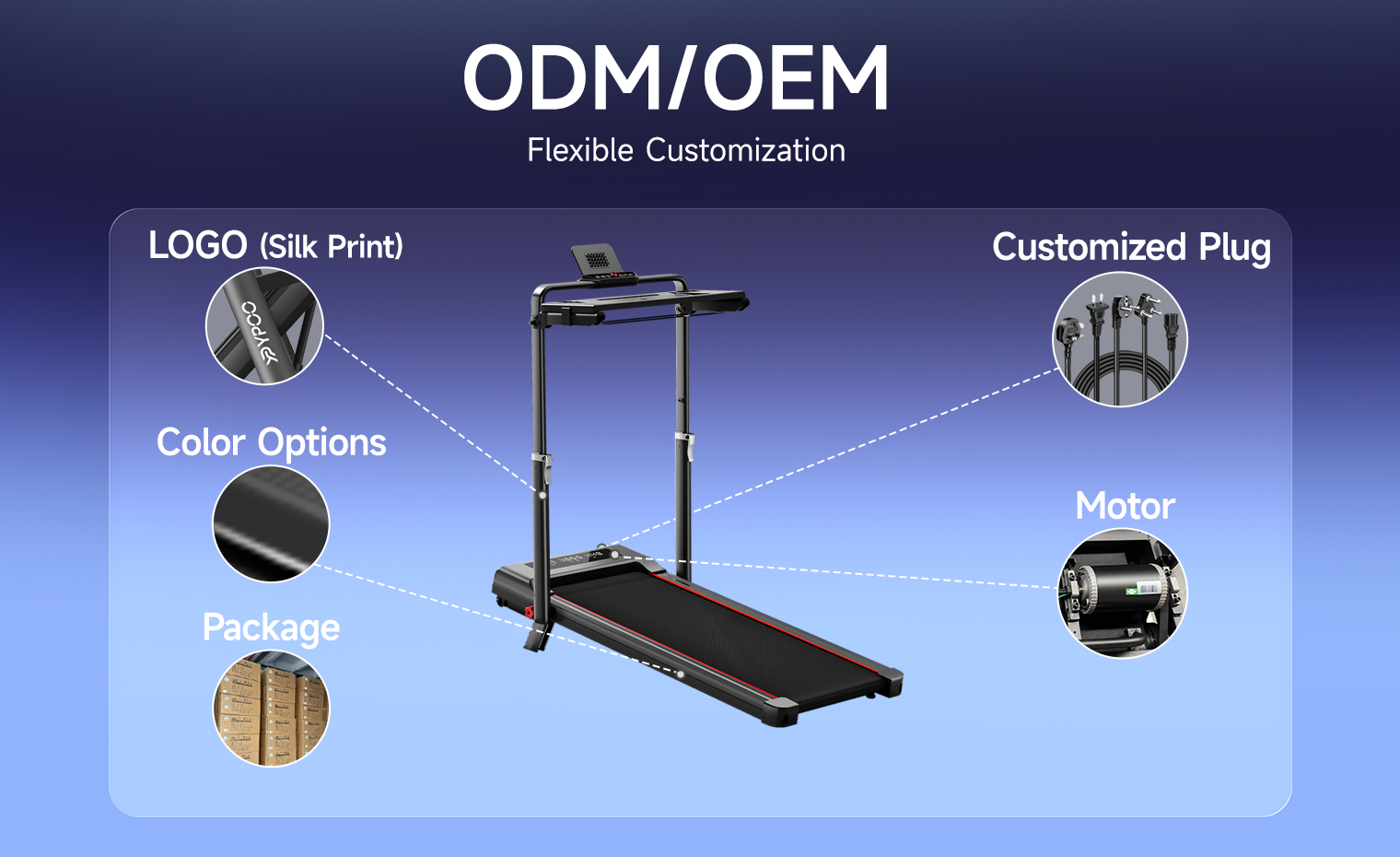
Treadmill OEM means the buyer uses an existing treadmill model from the manufacturer and adds brand-specific elements. Common OEM changes include logo, color, console sticker, manual language, carton design, barcode, warning labels, plug type, accessory list, app setting, and sales photos. The base frame, motor, controller, belt size, running deck, folding system, and most core engineering usually remain the same.
OEM is useful when a brand wants to launch quickly, test a market, control budget, and reduce engineering risk. It also fits distributors who need a stable product line and repeat orders. The key is to choose a base model that already fits the target market instead of forcing a weak model into a new brand package.
What Treadmill ODM Means
Treadmill ODM means the supplier helps develop or adapt the product more deeply. ODM can include appearance changes, structure changes, console layout, app functions, motor configuration, folding mechanism, incline system, belt size, control program, packaging design, or a new product concept. ODM gives more differentiation, but it also needs more drawings, engineering validation, sample rounds, testing, tooling, and documentation.
ODM is useful when a brand has a clear channel advantage or wants to build a product that is harder for competitors to copy. It can reduce long-term market risk, but only if the buyer has enough order volume, development time, and internal decision-making speed.
OEM vs ODM: The Short Comparison
| Area | Treadmill OEM | Treadmill ODM |
|---|---|---|
| Base model | Existing model | Adapted or newly developed model |
| Launch speed | Faster | Slower |
| Customization | Brand, color, manual, carton, labels, plug, accessories | Structure, console, app, appearance, product positioning, packaging |
| MOQ | Usually lower | Usually higher |
| Sample rounds | Fewer | More |
| Engineering risk | Lower if the base model is proven | Higher until testing is complete |
| Differentiation | Moderate | Stronger |
| Best for | Fast launch, distributor line, market testing, e-commerce MVP | Long-term brand product, exclusive channel, unique feature set |
Which Saves More Time?
OEM almost always saves more time. A logo-on-existing-model treadmill sample may take about 7 to 20 days after artwork confirmation if the base model is available and customization is simple. Bulk production may move faster because the frame, motor, controller, belt, console, and packaging structure are already known.
ODM takes longer because the supplier and buyer must confirm design details, engineering limits, cost impact, sample changes, testing results, packaging strength, certificates, and spare parts. A deeper ODM sample can take 30 to 60 days or longer before the project is ready for mass production.
Which Saves More Risk?
The answer depends on the type of risk. OEM saves engineering risk because it uses a proven base model. That is helpful when the brand wants fewer surprises in motor performance, controller stability, belt tracking, packaging, and production. But OEM can create market risk if the product looks too similar to competing models or does not match the brand’s positioning.
ODM can reduce market risk by creating a more differentiated product, but it increases development risk. If the design is not tested carefully, ODM can create new problems in motor heat, noise, vibration, frame strength, folding stability, app function, packaging, certificates, and spare parts. ODM is safer only when the buyer has a clear brief and enough time for validation.
A Simple Decision Tree
- Choose OEM if you need to launch quickly, test a channel, keep MOQ lower, or use a proven treadmill platform.
- Choose OEM if your changes are mainly logo, color, manual, carton, plug, labels, app setting, or accessory list.
- Choose ODM if your brand needs a different structure, console, folding design, app experience, or visual identity.
- Choose ODM if you can accept a longer sample cycle, higher MOQ, more testing, and more project management.
- Pause the project if you cannot define target market, price band, order quantity, certificate market, and warranty expectation.
Customization Inputs Buyers Should Prepare
Whether you choose OEM or ODM, prepare the commercial brief before asking for a final quote. Useful inputs include target market, sales channel, expected order quantity, retail price band, destination country, plug type, voltage, warranty period, required certificates, logo files, brand colors, manual language, carton artwork, barcode rules, warning labels, app requirements, accessory list, and spare-part expectations.
A clear brief helps the treadmill manufacturer recommend the right model and quote accurately. If the buyer only asks for the lowest price, the factory may quote a basic model that cannot support the brand’s real sales channel.
Sample Timeline
A typical OEM timeline starts with model selection, artwork confirmation, sample production, sample testing, packaging confirmation, deposit, mass production, inspection, and shipment. If the base model is stable, the process can move quickly. Buyers should still test motor heat, belt tracking, noise, vibration, console function, incline, folding, safety key, carton protection, and accessory completeness.
A typical ODM timeline starts with product brief, engineering feasibility, quotation, design confirmation, prototype sample, testing, revision, packaging design, certificate review, pilot run, pre-shipment inspection, and mass production. Each revision can add time, especially when the change affects structure, electronics, app, motor, controller, or packaging.
Process Timeline Example
| Stage | OEM Timing | ODM Timing | Buyer Output |
|---|---|---|---|
| Brief and model selection | 1 to 3 days | 3 to 10 days | Target market, price band, channel, MOQ, feature list |
| Quotation | 1 to 5 days | 5 to 15 days | Spec sheet, customization request, packaging request |
| Sample | 7 to 20 days | 30 to 60+ days | Artwork, sample payment, approval criteria |
| Testing and revision | 3 to 10 days | 10 to 30+ days | Sample report, change list, certificate check |
| Mass production | Usually faster | Usually slower at first | Deposit, approved sample, inspection checklist |
| Shipment | After QC and balance | After QC and balance | Packing list, loading plan, spare parts, documents |
MOQ Differences
OEM MOQ is usually lower because the factory is using an existing treadmill platform. MOQ may still change based on logo method, custom color, carton artwork, manual language, plug type, console sticker, accessory changes, or packaging requirement. A logo-only order is usually easier than a new color, new display, or custom app setting.
ODM MOQ is usually higher because the supplier may need engineering time, tooling, special components, custom packaging, and more testing. Buyers should ask the treadmill manufacturer to separate tooling cost, sample cost, component cost, packaging cost, certificate cost, and unit price so the real project cost is visible.
Packaging Risk
Packaging is important for both OEM and ODM, but ODM projects may need extra packaging validation because product shape or accessory layout can change. Ask for carton size, gross weight, foam structure, accessory placement, manual placement, barcode position, shipping marks, drop-test method, and loading quantity. For e-commerce treadmill projects, packaging can decide whether the launch protects or destroys margin.
Certificate and Compliance Checks
Certificate needs depend on destination market and sales channel. Ask whether the exact treadmill model has CE, RoHS, FCC, UKCA, or other required files. For OEM, check whether the existing certificate matches the model number, product photo, and technical file. For ODM, ask whether the changes require new testing or updated documents.
If the project changes motor, controller, plug, console, app, frame, or safety-related parts, do not assume old documents are still valid. Certificate review should happen before mass production, not after goods are ready to ship.
Quality Control Checks
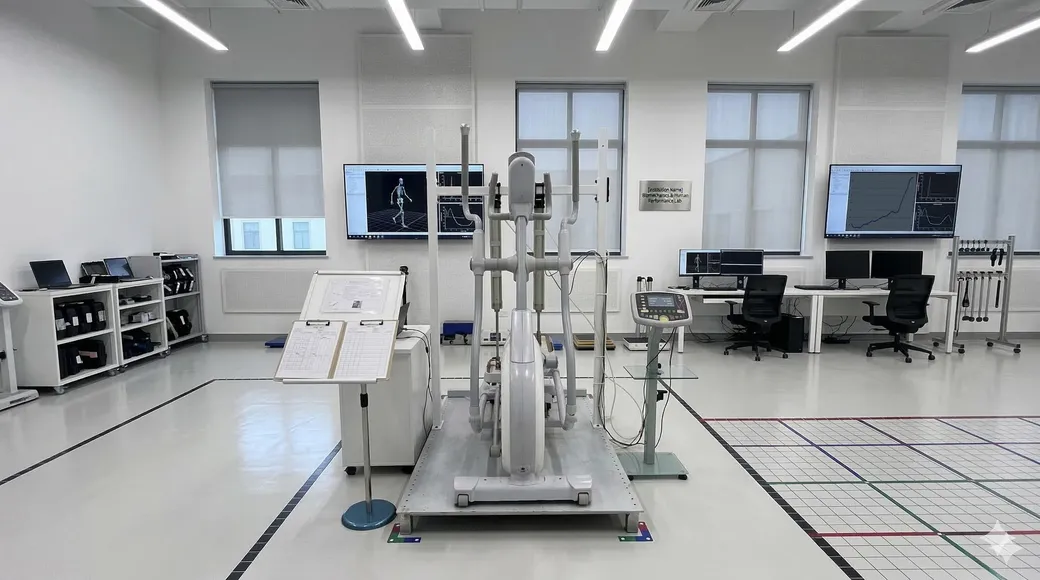
YPOO describes structured treadmill quality control, including drop-test durability, life testing, and salt spray testing. For OEM and ODM projects, buyers should build a pre-shipment checklist around motor heat, controller stability, belt tracking, speed accuracy, incline function, noise, vibration, console function, safety key, folding structure, frame appearance, screws, labels, manual, carton marks, accessories, and spare parts.
Buyer Deliverables Before Mass Production
- Final specification sheet with model number, motor, speed range, belt size, incline, console, max user weight, and carton size.
- Approved sample photos, test notes, video clips, and revision list.
- Logo, color, manual, label, barcode, carton, and accessory files.
- Certificate files or certificate review notes for the exact model.
- Packaging confirmation, drop-test method, loading quantity, and shipping marks.
- Pre-shipment inspection checklist and acceptable quality standard.
- Spare-part list, exploded diagram, troubleshooting guide, and warranty workflow.
Common Mistakes
- Choosing ODM because it sounds more advanced, even though OEM would meet the channel requirement faster.
- Choosing OEM only by unit price without checking motor, controller, belt, packaging, and spare parts.
- Starting sample production before confirming certificates and destination market needs.
- Requesting custom structure without allowing time for testing and packaging validation.
- Comparing quotes without separating tooling, sample, packaging, certificate, inspection, and freight risk.
- Forgetting after-sales parts until customer complaints begin.
When OEM Is the Better Choice
OEM is usually better when the brand needs speed, lower development cost, easier MOQ, and a proven base model. It is a practical choice for first-time private-label treadmill projects, distributor line expansion, e-commerce market testing, hotel supply, and seasonal sales windows. The buyer should still test samples and packaging carefully because fast does not mean risk-free.
When ODM Is the Better Choice
ODM is usually better when the brand has a clear product strategy, enough order volume, and a real need for differentiation. It can support unique design, better user experience, stronger channel positioning, or private product architecture. ODM should be chosen only when the buyer can manage drawings, samples, revisions, testing, packaging, documents, and launch timing.
How YPOO Can Help
YPOO supports treadmill OEM, ODM, wholesale, and factory-direct projects across walking pads, home-use treadmills, incline models, and semi-commercial treadmill lines. Buyers can use YPOO to compare base models, discuss customization, plan samples, review packaging, confirm quality checks, and prepare export orders. You can start from the YPOO treadmill page, browse the YPOO treadmill category, or contact YPOO to discuss project requirements.
FAQ
Is treadmill OEM faster than ODM?
Yes. Treadmill OEM is usually faster because the buyer starts from an existing factory model and customizes brand elements such as logo, color, packaging, manual, labels, plug, or accessories.
Does treadmill ODM reduce risk?
ODM can reduce market risk when a brand needs stronger differentiation, but it increases development risk until engineering, sample testing, packaging, certificates, and spare parts are validated.
What should brands prepare before asking for an OEM or ODM quote?
Prepare target market, sales channel, order quantity, retail price band, destination country, certificate needs, logo files, colors, manual language, carton requirements, plug type, app needs, warranty expectations, and must-have features.
Can YPOO support both treadmill OEM and ODM projects?
Yes. YPOO supports treadmill OEM, ODM, wholesale, and factory-direct projects, including model selection, customization discussion, sample planning, packaging review, QC communication, MOQ, and shipment planning.
Final Recommendation
Choose treadmill OEM when speed, proven structure, lower MOQ, and lower engineering risk matter most. Choose ODM when differentiation and long-term product strategy are worth the extra time, sample rounds, and validation work. The best project starts with a clear brief, not a vague request for the cheapest treadmill.
To compare treadmill OEM and ODM options, visit the YPOO treadmill range, review YPOO treadmill products, or contact YPOO for project support.