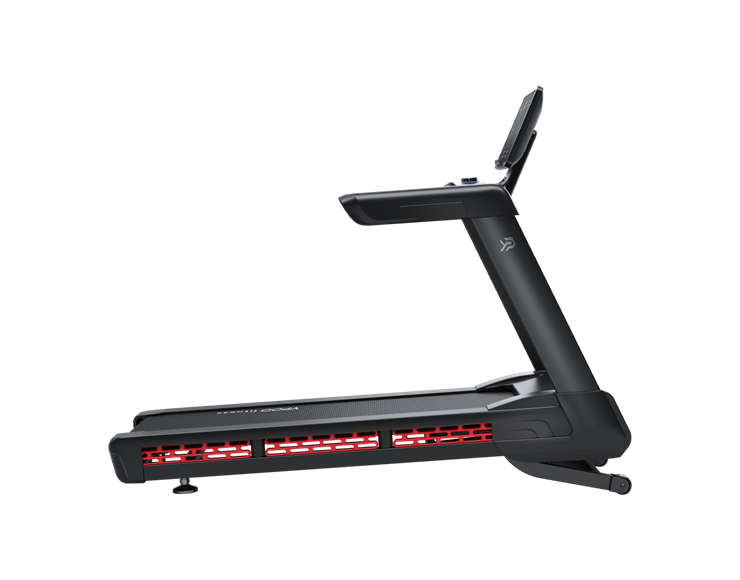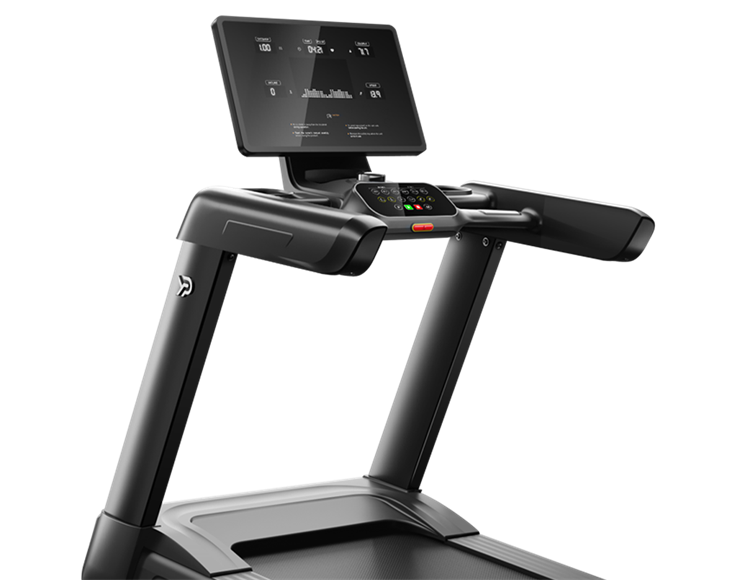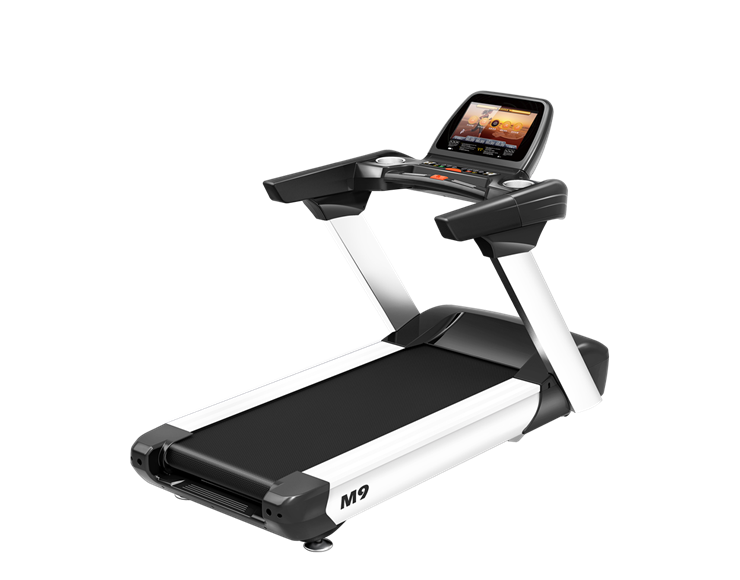


Thinking about buying wholesale treadmills to resell? Don’t just chase the biggest horsepower or the absolute rock-bottom price tag. The best sellers are actually pretty simple. They solve a real problem for your customers, while making sense for your business. You want a treadmill that’s reliable, easy to support, and leaves you with a decent profit margin after shipping. It’s all about finding that sweet spot.
For most product lines, five features create the strongest sales story: space-saving design, market-matched motor performance, a comfortable running area, useful incline and console options, and OEM-ready serviceability. No single feature guarantees sell-through. The right combination depends on whether you sell through e-commerce, dealers, gyms, hotels, or private-label channels.
YPOO offers walking pads, home treadmills, semi-commercial models, and commercial machines. Buyers can compare the current YPOO treadmill range before deciding which feature mix fits their price band and customer profile.
Quick Answer: Which Wholesale Treadmill Features Sell?
The best wholesale treadmill features are easy for shoppers to notice and easy for distributors to support. In 2026, that usually means genuine foldability, stable performance, a comfortable belt and deck, useful incline or smart controls, and OEM details backed by replaceable parts. Select the combination for the sales channel, not for the longest specification sheet.
| Feature | Customer Benefit | Wholesale Check |
|---|---|---|
| Compact or foldable design | Easier storage in homes and apartments | Folded size, product size, carton size, transport wheels |
| Matched motor and speed | Quieter walking or stronger running performance | CHP versus peak rating, controller match, heat test |
| Running area and cushioning | Comfort, confidence, and a clearer quality story | Belt dimensions, deck, rollers, user-weight rating |
| Incline and smart controls | More workout variety and visible upgrade value | Incline range, console usability, app stability |
| OEM and serviceability | Brand differentiation and better ownership support | Branding scope, manuals, spare parts, warranty process |
5 Wholesale Treadmill Features That Drive Sales
Now let’s walk through each of these five features in more detail.
1. True Foldability and a Compact Footprint
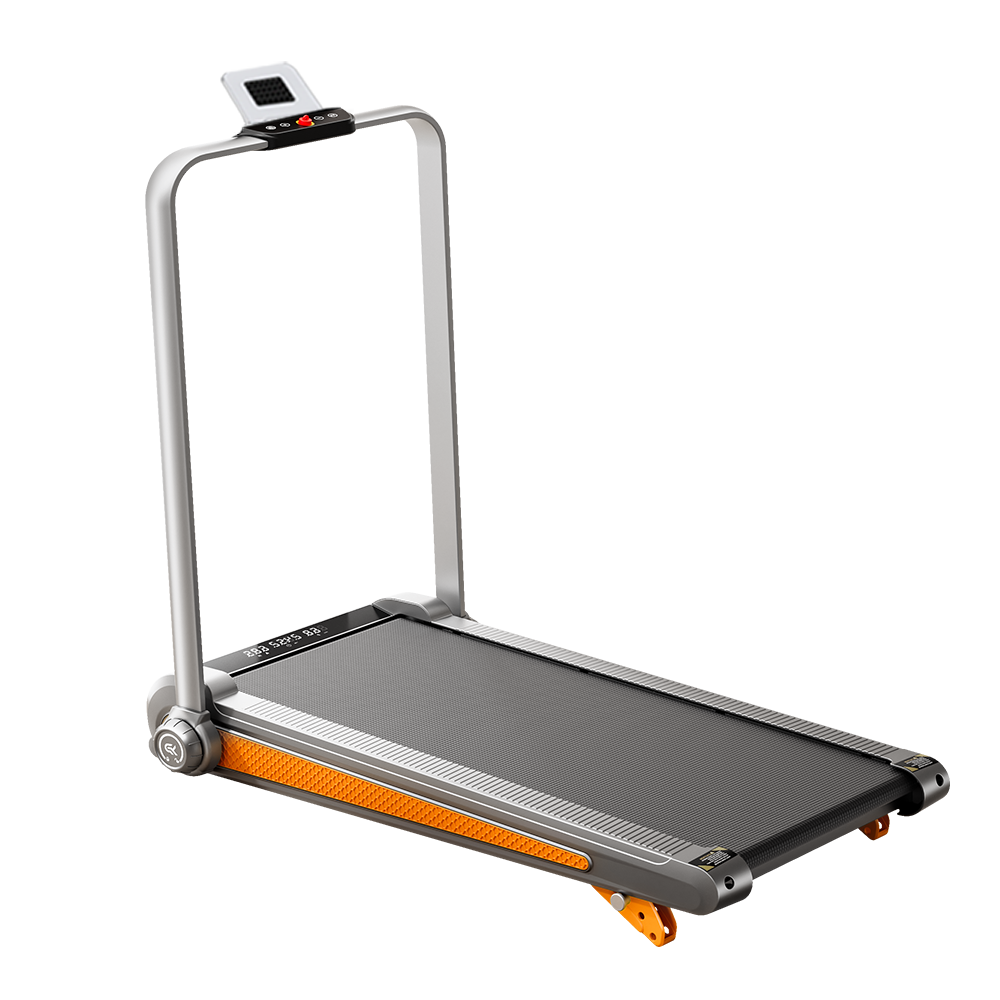
Space is a simple sales message. A treadmill that fits a smaller room, moves on transport wheels, or stores with less effort gives sellers a benefit that can be shown in one image or short video. This matters to apartment users and first-time home fitness buyers.
The word “foldable” is not enough. Some machines lift only the deck; others reduce their footprint substantially. Request operating and folded dimensions, net weight, packing size, a folding video, and the clearance needed to move the unit.
Walking pads suit parcel-based e-commerce when the carton fits carrier limits. Larger folding treadmills may work better for dealers offering delivery and assembly. Commercial gyms usually value stability more than storage, making a non-folding frame a valid choice.
YPOO’s YP-Mini Walk, for example, uses a 400 × 900 mm running belt and has a listed net weight of 24 kg. The YP-Mini Change moves into a larger 450 × 1200 mm running area and adds automatic incline. These are different sales positions, not interchangeable versions of the same product.
2. Motor Performance Matched to Real Use
Motor claims attract attention, but the largest number is not always the easiest product to sell profitably. Quiet operation matters for apartment walking pads. Semi-commercial and gym treadmills need stronger sustained performance, cooling, and controllers designed for longer sessions.
Ask whether a specification is continuous or peak horsepower. Review the motor, controller, speed range, voltage, plug, noise, and test conditions as one system. A strong motor paired with weak control or cooling is not a strong product.
A 6–8 km/h walking product, a 12 km/h compact treadmill, and a 20–25 km/h running machine serve different users. State clearly whether a model is intended for walking, jogging, home running, shared facilities, or commercial training.
A 2026 U.S. Consumer Product Safety Commission warning involving specific walking pads cited unexpected speed changes and abrupt stops. It is a useful reminder to request loaded running tests, stop tests, controller protection details, and batch QC records.
3. Running Area, Cushioning, and User Capacity
The belt and deck are where customers feel the product. A wider, longer surface supports a more confident stride, while a compact belt controls footprint and freight cost. Select a running area that is credible for the intended speed and user.
Compare belt dimensions, deck thickness, cushioning, rollers, belt tracking, lubrication, side rails, and maximum user weight. Ask how the weight claim relates to the frame, deck, motor, and test method.
YPOO’s YP-MX lists a 560 × 1550 mm running belt and a maximum user weight of 150 kg, while the commercial YP-M9 lists a 600 × 1650 mm belt and a 200 kg maximum user weight. Those specifications create a stronger high-use story, but they also increase product weight, carton volume, warehouse requirements, and delivery complexity.
For e-commerce, a compact entry model and wider premium model can create a useful price ladder. For gyms or hotels, prioritize running experience and expected daily use before freight efficiency. For a deeper checklist, review the auto treadmill buying guide.

4. Incline, Consoles, and Smart Connectivity
Incline and console upgrades help retailers separate good, better, and best models. Manual incline supports an entry price; automatic incline adds workout variety. Larger displays, quick keys, Bluetooth, apps, and multilingual interfaces can raise perceived value when they work reliably.
The tradeoff is complexity. Every incline motor, touchscreen, app, and board adds testing and service requirements. A stable LED console may suit a value-focused dealer better than a touchscreen built on untested software.
During sample approval, check incline under load, button response, display accuracy, safety-key behavior, units, app pairing, language, startup time, and behavior after a power interruption. Confirm parts availability for repeat orders and warranty service.
The YP-Mini Change lists 15 levels of automatic incline for compact home use. The YP-MX offers 0–18 incline levels with LED and larger TFT display options. These features can support different price points without forcing every channel to carry the most expensive console.
5. OEM-Ready Details and Serviceable Parts
For private-label buyers, a sales-ready treadmill is more than a logo. The product, carton, manual, warning labels, console graphics, color, plug, language, and spare-parts plan should form one brand system.
Serviceability matters because returns and slow repairs can erase launch margin. Ask for drawings, part numbers, troubleshooting guidance, a recommended spare-parts ratio, electronics availability, warranty terms, and a claims process before production.
Do not accept a certificate for a different motor, console, or frame without clarification. ISO 20957-1:2024 covers general safety requirements and test methods for stationary training equipment; ISO 20957-6:2021 adds treadmill-specific requirements. Confirm the destination market’s rules and whether reports match the ordered configuration.
If your project requires private labeling, compare the scope and timeline in YPOO’s treadmill OEM vs ODM guide before locking the sample.
How to Build a Wholesale Treadmill Lineup
A practical range often needs three clear positions rather than many nearly identical models:
- Entry model: compact size, simple controls, clear walking or light-jogging use case, and freight-conscious packaging.
- Core model: wider running area, automatic incline, stronger motor system, and a console suitable for the main customer group.
- Premium model: high-use frame, larger belt, higher capacity, advanced display options, and stronger service support.
Before ordering, write one sentence describing the target buyer for each model. If two treadmills have the same customer, sales story, and price band, one may be unnecessary. Request samples, test the five feature groups, calculate landed cost, and approve the final specification rather than only the catalog name.
Send YPOO your target market, sales channel, price bands, expected quantity, preferred features, destination country, and branding needs. The team can help compare walking pads, home treadmills, semi-commercial models, and commercial treadmills, then prepare samples and an OEM quotation for the most suitable mix. Contact YPOO to start the product review.
FAQ
What features matter most in a wholesale treadmill?
Prioritize genuine foldability, a motor and speed range matched to the user, a credible running area, useful incline or console options, and serviceable OEM parts. The best mix depends on the channel and target price.
Are foldable treadmills easier to sell?
They can be easier to explain to home and apartment users, especially online. Verify the folded dimensions, weight, moving method, and carton size because “foldable” designs vary widely.
Should wholesalers choose CHP or peak horsepower?
Ask for both when available, but use continuous performance, controller matching, cooling, and loaded test results to judge the system. A peak number alone does not describe normal use.
Do smart screens increase treadmill sales?
They can support a higher price point when the interface, apps, and electronics are stable. A simpler console may produce fewer service issues in value-focused or high-use channels.
What should buyers test before a bulk order?
Test speed stability, incline, belt tracking, console controls, safety functions, noise, heat, folding, packaging, and key spare parts. Record the approved sample specification for production QC.