

Buying commercial bikes often starts with a familiar question: should you choose a global name or work with an OEM supplier? The first option feels safer. The second offers more control. Both can work, but they solve different business problems.
When buyers compare commercial exercise bike brands, they often focus on the logo and unit price. That misses the bigger picture. You also need to compare customization, service coverage, order size, lead time, parts, and the value your customers place on the brand.
This guide shows when the Tier 1 premium makes sense and when an OEM partnership may be the smarter route.
What Do Tier 1 and OEM Exercise Bike Brands Mean?
“Tier 1” is buyer shorthand. It is not an official safety class or a universal industry rating. The term usually describes an established international brand with broad distribution, strong market recognition, mature product lines, and organized service support.
That is separate from equipment-use classifications. ISO 20957-1:2024 covers stationary training equipment for domestic and supervised settings. It does not label manufacturers as Tier 1 or Tier 2. A famous logo does not replace model-specific testing, documentation, or warranty checks.
What Is a Tier 1 Commercial Exercise Bike Brand?
A Tier 1 brand normally sells a complete package. The buyer gets finished equipment, established model names, sales materials, software or console options, installation guidance, and access to an authorized service network in supported markets.
The higher price often covers more than the machine. It may include product development, dealer support, training, inventory, and local service. This can reduce work for a gym opening on a fixed schedule.
Our list of exercise bike manufacturers for commercial and home gyms gives examples of established brands and manufacturers in this market.
What Is an OEM Commercial Exercise Bike Brand?
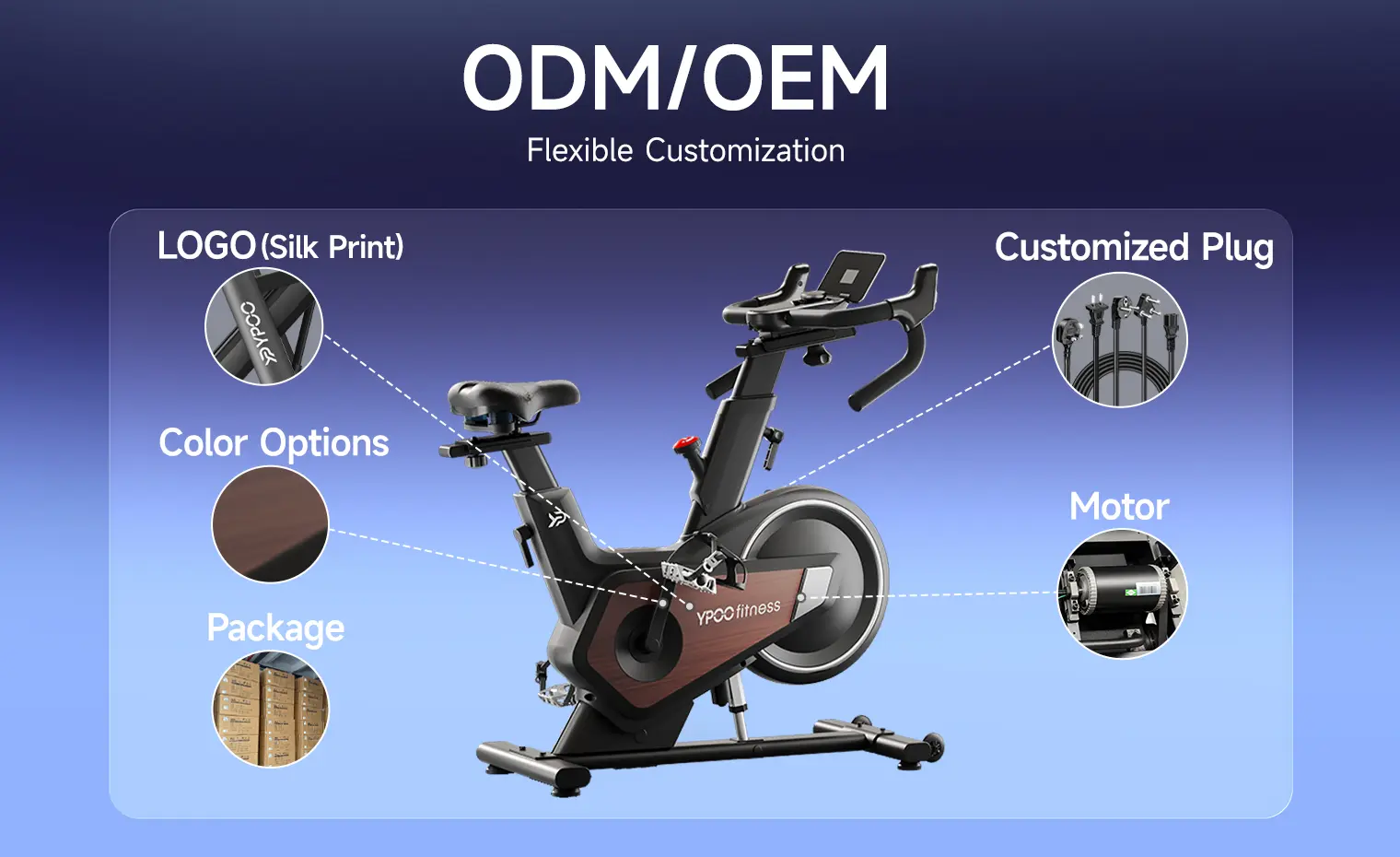
OEM stands for original equipment manufacturer. In a typical private-label project, a factory produces the bike while the buyer sells it under their own brand. The factory may offer an existing platform, then adjust the logo, color, console, packaging, manual, or selected components.
OEM does not automatically mean low quality. Quality depends on the platform, components, production control, testing, and inspection. The buyer has more influence, but also carries more responsibility for the final product and market promise.
Tier 1 vs. OEM Commercial Exercise Bike Brands
Here is the practical difference at a glance.
| Buying factor | Tier 1 brand | OEM supplier |
|---|---|---|
| Brand recognition | Strong from day one | Built by the buyer over time |
| Upfront cost | Usually higher | Often more flexible by specification and volume |
| Customization | Normally limited | Logo, color, console, packaging, and features may be adjustable |
| Minimum order | Dealer or project terms | Factory MOQ normally applies |
| Service | Brand network in supported markets | Buyer and factory agree on parts and service workflow |
| Launch speed | Faster for standard models | More time for samples and approvals |
| Margin control | Less room because of brand premium | More room if sourcing and after-sales are managed well |
When Is a Tier 1 Brand the Better Choice?
A Tier 1 brand makes sense when the logo helps sell memberships, win a property contract, or reassure investors. Luxury hotels and premium clubs may prefer names their guests already know. A corporate buyer may also want one supplier with regional installation and service.
It is often the easier option for a single gym project. You can select established models, order a standard package, and rely on existing manuals and training. There is less need to manage artwork, samples, packaging, and production details.
The tradeoff is cost and control. You may pay more for the brand and have little freedom to change colors, interfaces, or packaging. If several local dealers sell the same model, price competition may also be harder to avoid.
When Is an OEM Brand the Better Choice?
OEM is often better for distributors, fitness brands, franchise groups, and project suppliers that want their own product line. It lets you build a consistent identity instead of promoting another company’s logo.
You can select features around your market. A hotel supplier may want a simple console and easy guest mode. A studio brand may care more about adjustment speed and drive feel. A distributor may need local language labels, a regional plug, stronger packaging, or a specific spare-parts kit.
Customization should stay disciplined. Changing everything increases cost, testing work, and delay. Start with changes customers can see or use. Our guide to custom fitness equipment features explains how color, branding, console options, packaging, and product configuration can support a private-label line.
OEM can also improve margin control, especially for repeat orders. The buyer takes on more work in return. You need to approve samples, verify documents, control changes, inspect production, plan parts, and build a service process in your sales market.
6 Factors to Compare Before You Buy
1. Product Grade and Real Workload
Start with daily sessions, rider range, peak hours, and facility type. Compare frame stability, adjustment hardware, drive system, pedals, sweat protection, and service access. Do not treat “commercial” as proof by itself. Ask for the intended-use statement and model-specific test documents.
2. Total Cost, Not Just Unit Price
Include freight, duties, installation, software, financing, maintenance, spare parts, downtime, and replacement. Tier 1 pricing may include local services. An OEM quote may exclude tasks your team must handle. Put both offers into the same cost sheet before deciding.
3. Customization and Brand Ownership
Decide what must be unique. A logo and carton are simple. A new console, resistance system, or frame change is a larger project. Confirm who owns artwork, molds, firmware, and manuals. Put approved details into the purchase specification.
4. Warranty and Service Coverage
Ask who answers the first service call, who pays freight, and how quickly parts can arrive. Tier 1 coverage varies by product and market.
For OEM orders, build a written parts list, claim process, response target, and training plan. A long warranty sentence means little without parts and people behind it.
5. MOQ, Lead Time, and Cash Flow
Tier 1 equipment may be available through local stock, which helps a fast opening. OEM production normally needs samples, deposits, artwork approval, manufacturing time, inspection, and sea freight. The lower unit cost must fit your cash-flow and inventory plan.
6. Factory Control and Repeat Orders
An OEM partner should prove production control, component consistency, testing, and change management. Ask what the factory makes itself and what it buys. Check how it records defects and keeps the second order consistent with the approved sample.
Which Option Fits Your Business?
The best choice among commercial exercise bike brands depends on your sales model. Choose Tier 1 when brand recognition shapes the customer experience, the project needs a fast standard solution, and local service is worth the premium. This often suits premium clubs, hotels, corporate facilities, and operators buying for their own floors.
Choose OEM when you plan to resell, want your own brand, need market-specific features, or expect repeat volume. This often suits distributors, importers, regional fitness brands, franchise groups, and project suppliers with sourcing and after-sales staff.
If private label is your goal, compare more than one factory and test physical samples. Our overview of stationary bike companies for private labeling can help build the initial supplier list.
Start Your OEM Exercise Bike Project with YPOO
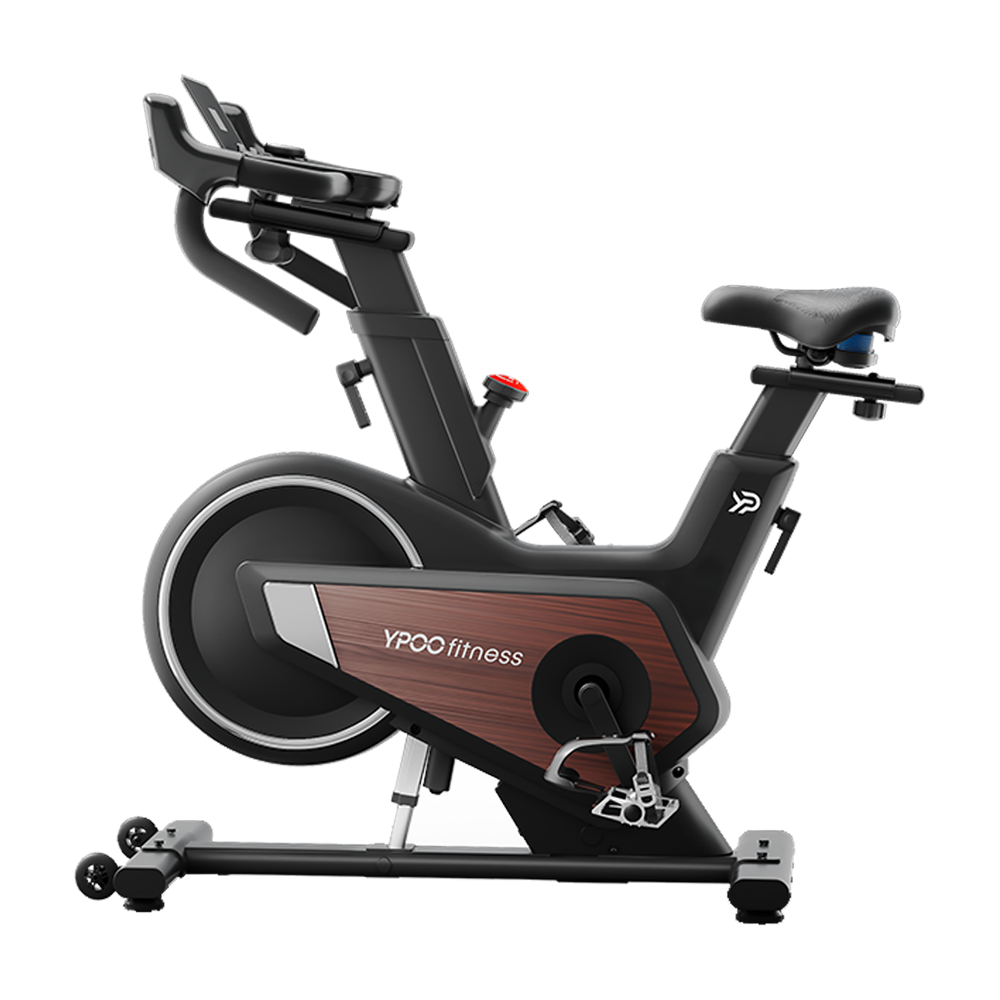
YPOO works with distributors, commercial projects, and private-label buyers. We can help you compare bike platforms, intended use, adjustment range, resistance, console options, branding, packaging, spare parts, and order quantities.
Start with a clear brief: market, facility type, target price, quantity, required certificates, preferred features, and launch date. The team can then narrow the options and prepare a sample plan.
Contact YPOO to discuss an OEM commercial exercise bike line or a project order.
FAQ
Are OEM Commercial Exercise Bikes Lower Quality?
Not automatically. Quality depends on the selected platform, components, specifications, factory controls, testing, and inspection. A buyer who approves only by price can get a weak result from any sourcing model.
Is a Tier 1 Exercise Bike Worth the Higher Price?
It can be when the brand helps sales or the local service network reduces project risk. It offers less value when your customers care more about function, customization, and price than the logo.
Can OEM Bikes Meet Commercial Safety Standards?
Yes, but verify the exact model and required market documents. Do not accept a certificate for a different platform. Match the test report, model name, specifications, and intended-use class to the bike you order.
Which Choice Is Better for a Private-Label Fitness Brand?
OEM is usually the better fit because it supports your logo, packaging, product mix, and margin strategy. It works best when you can manage samples, QC, inventory, spare parts, and local customer service.