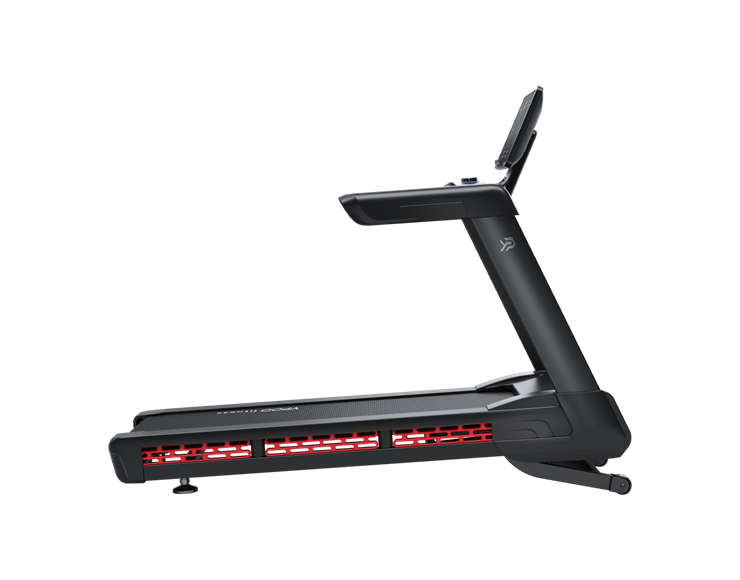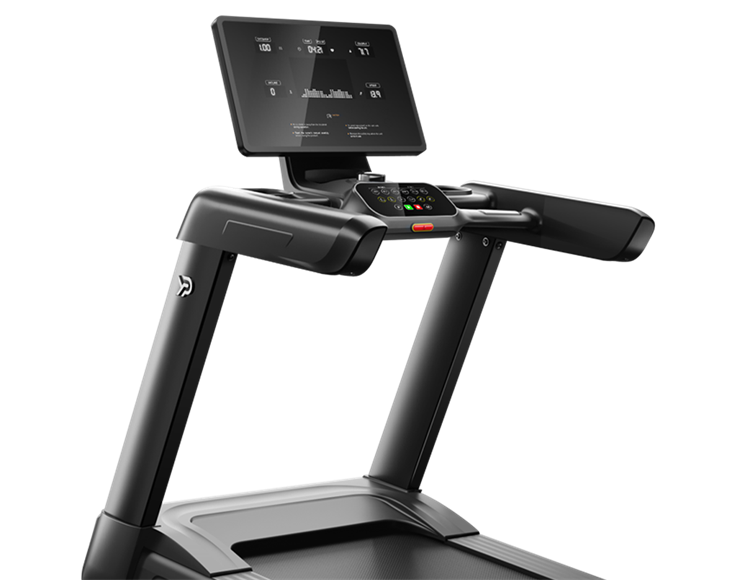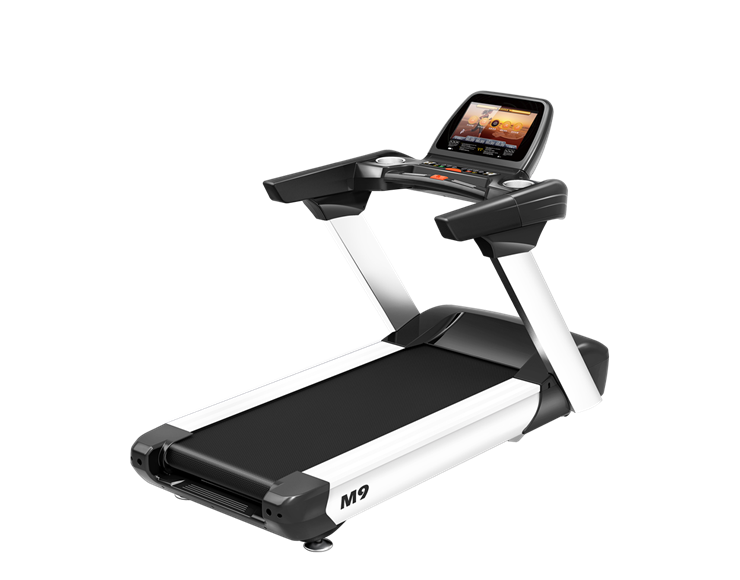


Putting your logo on a machine is the easy part. The harder question is whether the equipment actually feels like it belongs to your brand. Good custom fitness equipment connects the visual details, product performance, software, packaging, and service materials into one clear product story.
You do not need to redesign every bolt. In fact, most brands get a better result by personalizing a proven platform in a few high-impact places. Here are five areas worth discussing with a manufacturer before you approve a sample.

What Custom Fitness Equipment Includes
Custom fitness equipment usually covers five practical areas: branding, colors and finishes, performance specifications, consoles and connectivity, and packaging with accessories. The right mix depends on your buyer, sales channel, order size, budget, and launch date. Start with the customer experience, then decide which changes are worth the extra approval work.
| Customization area | Typical choices | Main approval risk |
|---|---|---|
| Branding | Logo plate, decal, printing, interface graphics | Wrong size, color, or placement |
| Finish | Frame color, trim, upholstery, stitching | Sample-to-batch color variation |
| Performance | Motor, resistance, flywheel, deck, user fit | Testing or compliance changes |
| Digital | Console, programs, app, language, connectivity | Firmware and support responsibility |
| Delivery | Carton, manual, labels, accessories, spare parts | Damage or missing market information |
If you are new to private labeling, review the full fitness equipment OEM process as well. It explains how these choices move from a brief to a sample, production, inspection, and shipment.
What Fitness Equipment Features Can You Customize?
Here’s a closer look at the five most common and most impactful areas to consider.
1. Logos and Brand Graphics
Your logo can appear on the frame, console, trim, upholstery, carton, manual, rating label, and even the startup screen. That does not mean it should appear everywhere. A large logo may work on a treadmill side rail but look awkward on a compact walking pad. One strong placement often feels more premium than five small marks.
Ask which methods suit the material and expected use. Options may include a metal nameplate, durable decal, silk-screen printing, laser marking, embroidery, molded detail, or printed console overlay. Each has a different setup cost, minimum quantity, wear resistance, and replacement process.
Send a vector logo file, approved colors, minimum clear space, and examples of correct and incorrect use. Then approve a placement drawing at actual size. A logo that looks fine on a laptop can feel surprisingly small once it is placed on a full-size machine.
2. Colors, Finishes, and Upholstery
Color is the fastest way to make a product line feel connected. You might change a powder-coated frame, plastic trim, flywheel cover, running-deck accent, upholstery, stitching, or adjustment knobs. Keep the palette tight. Two controlled colors are easier to reproduce across treadmills, bikes, rowers, and strength products than six slightly different shades.
A screen reference is not enough. Share a Pantone, RAL, or physical master sample, then ask the factory to prepare a coated metal chip or material swatch. Check it under daylight and indoor lighting. Gloss level and surface texture can change how the same color appears.
Also ask how the batch will be controlled. The approved sample should record the color code, finish, supplier, coating process, and acceptance range. That small step prevents the first shipment from looking different from the sample in your showroom.
3. Hardware and Performance Specs
This is where customization becomes more than branding. Depending on the product, you may be able to select motor power, speed range, incline, running-belt size, flywheel weight, resistance system, gear ratio, saddle, pedals, handlebars, stride feel, rail length, maximum user weight, or accessory mounts.
Start with a use case. A compact treadmill for apartment users needs a different noise, carton, and storage plan from a model sold to hotels. A studio bike needs repeatable adjustment and easy cleaning. A home bike may place more value on footprint, device storage, and quiet operation.
A new color rarely changes how a machine performs. A different motor, controller, frame, brake, resistance unit, console, or structural part can. Ask the engineering team to review every functional change against the approved model, test plan, labels, and documents.
ISO 20957-1:2024 sets general safety requirements and test methods for stationary training equipment, with product-specific parts adding further requirements. Your destination market may also require electrical, wireless, chemical, labeling, or documentation checks. Freeze the final bill of materials before mass production.
4. Consoles, Apps, and Connectivity
The display is where users meet your brand on every workout. Simple changes include a logo, interface colors, button labels, units, language, preset programs, and startup screen. Deeper work can include Bluetooth, Wi-Fi, heart-rate devices, workout apps, QR onboarding, content subscriptions, or a branded mobile app.
Digital features create questions that a color sample cannot answer. Who owns the interface artwork? Who updates the firmware? Which phones and operating systems are supported? Where is user data stored? What happens if a third-party app changes its connection rules?
Write these answers into the product brief. Request a working sample, not a screen mockup. Test pairing, reconnection, unit conversion, language, error messages, sleep mode, updates, and behavior after power loss. If the feature needs ongoing support, budget for that support before launch.
5. Packaging, Manuals, and Accessories
The product is not finished when it leaves the assembly line. For an online brand, the carton and setup experience may shape the first review. For a distributor, clean labels and local-language documents reduce questions at customs and in the warehouse. For a gym project, spare parts and clear assembly instructions save installation time.
You can personalize carton artwork, shipping marks, product name, barcode location, inserts, warning labels, manuals, quick-start cards, warranty cards, tool kits, protective foam, and accessory packs. Confirm plug type, voltage marking, importer information, manual language, and local recycling symbols where applicable.
Do not approve packaging from artwork alone. Build and pack a complete sample. Check accessory placement, carton dimensions, gross weight, lifting points, and the unboxing order. A beautiful retail carton is useless if the machine arrives scratched or the assembly hardware disappears under the foam.
OEM vs ODM Customization: How to Decide
OEM is usually the faster path. You start with a tested factory platform and change approved brand details, configuration, documents, and packaging. ODM goes deeper into appearance, structure, electronics, software, or tooling. It can create a more exclusive product, but it also adds engineering decisions and approval stages.
| Route | Best fit | Typical tradeoff |
|---|---|---|
| Private label | Logo, manual, carton, small visual changes | Fast launch, limited differentiation |
| Platform-based OEM | Color, console, selected components, accessories | Good balance of speed and brand identity |
| ODM | New structure, electronics, molds, or software | More control, higher cost and longer validation |
The right route depends on what customers will notice and pay for. The same logic applies across categories; this custom treadmill manufacturing guide shows how customization depth changes risk, sample work, and launch time.
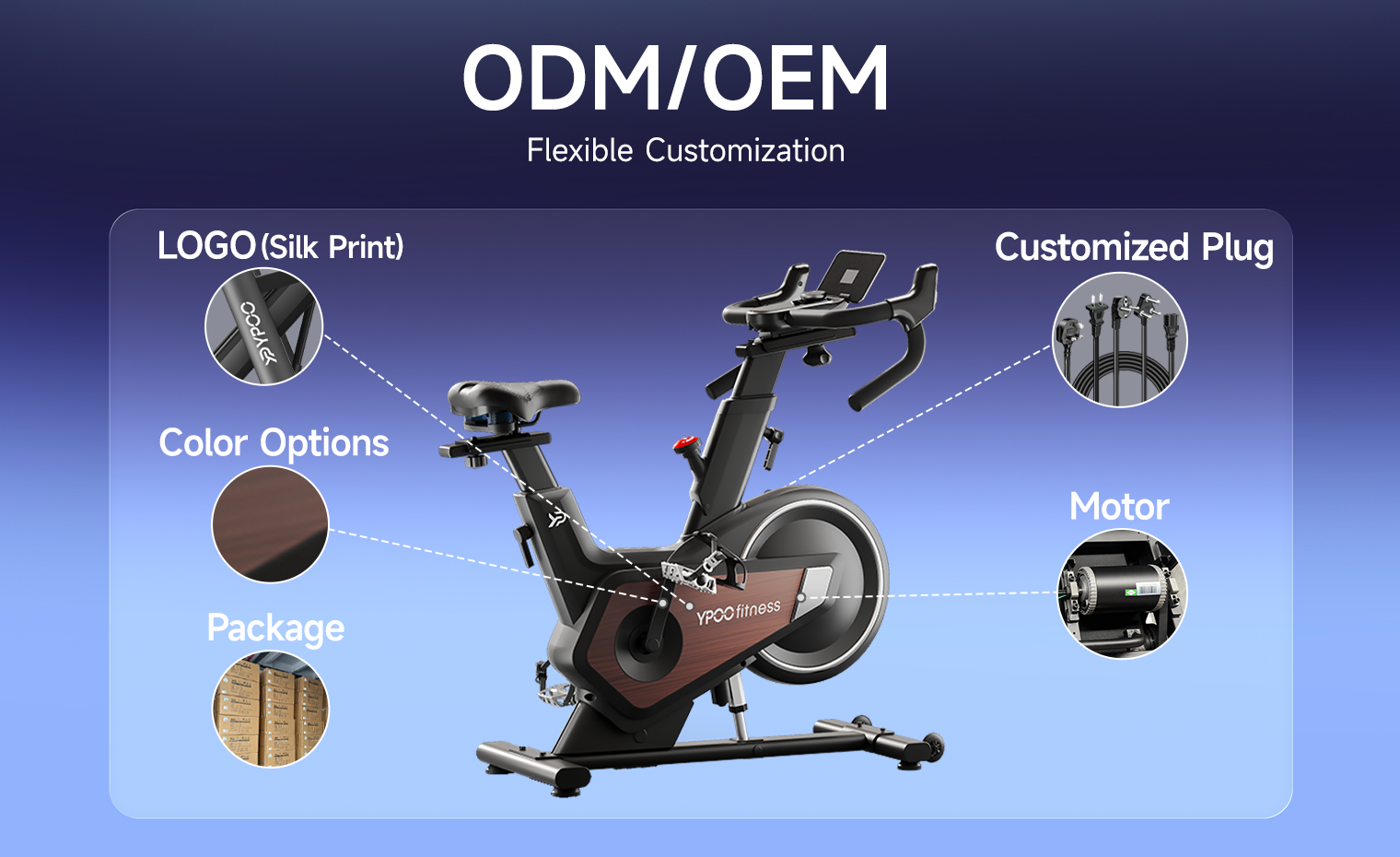
Ready to turn a standard model into a brand-ready product? YPOO can review your target market, product category, specifications, quantity, branding files, and packaging needs, then help you choose a practical OEM or ODM route.
FAQ
What Fitness Equipment Can Be Customized?
Treadmills, walking pads, exercise bikes, rowing machines, ellipticals, and selected strength products can all support customization. Available choices depend on the base model, order quantity, component supply, test scope, and factory capability.
What Is the Easiest Customization?
Logo application, console graphics, manuals, labels, and carton artwork are usually the simplest starting points. Custom colors and component changes may need higher quantities, new samples, or extra validation.
Does Custom Equipment Require a High MOQ?
Not always. A logo on an existing model may have a lower MOQ than a custom frame color, new console, app, mold, or structural change. Ask for the MOQ by customization item, not one vague number.