
Quick answer: A reliable fitness equipment OEM process starts with product positioning, moves through specification confirmation, quotation, sample development, testing, packaging, mass production, inspection, shipment, and after-sales spare-part planning. For private-label brands, the goal is not only to get a lower unit price. The real goal is to launch a product that matches the target market, arrives safely, passes documentation checks, and can be supported after sale.
What Fitness Equipment OEM Means
In fitness equipment sourcing, OEM usually means using an existing factory model and adding brand elements such as logo, color, manual, carton, labels, app settings, console graphics, or accessory combinations. ODM goes deeper: the supplier may adapt appearance, structure, electronics, display, training programs, packaging, or product positioning. A fully custom project may require new tooling, engineering validation, endurance testing, certification work, and a longer launch calendar.
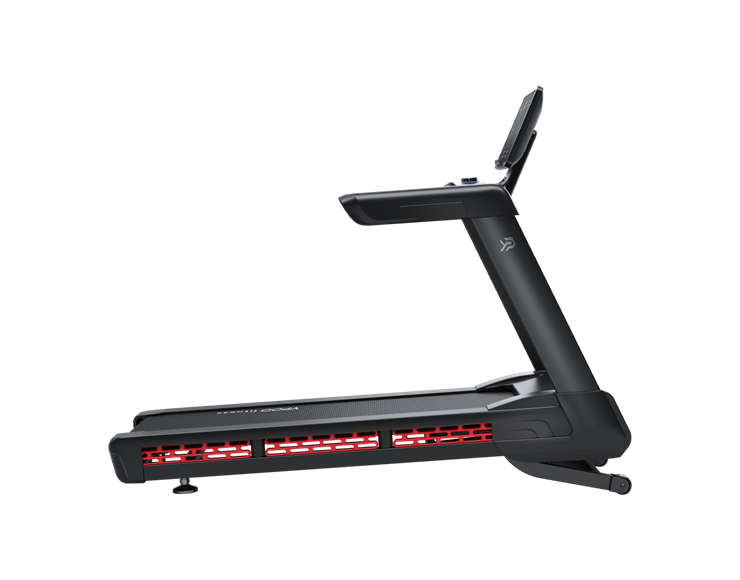
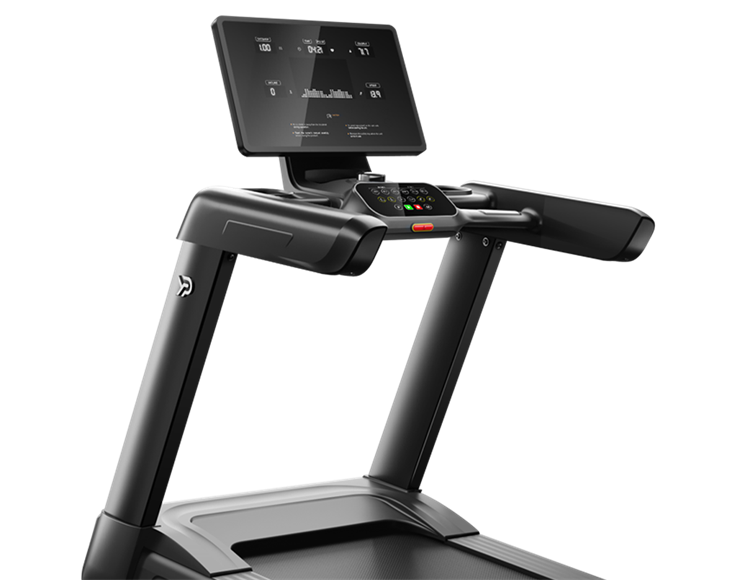
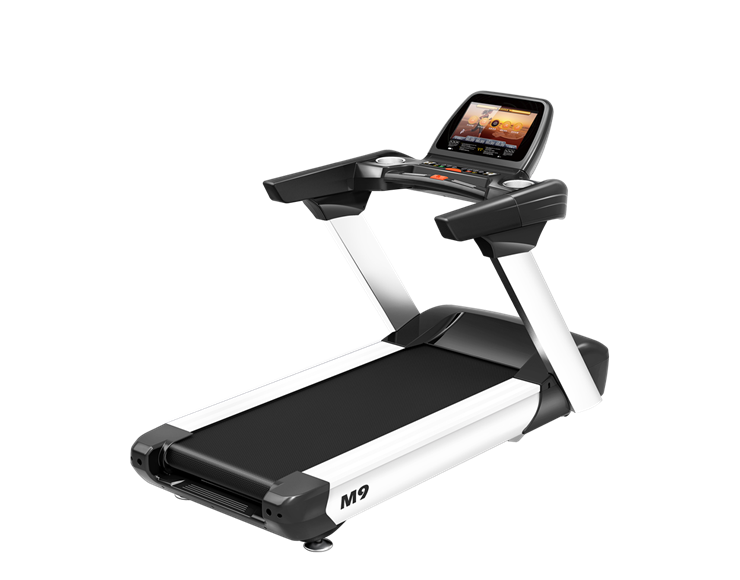
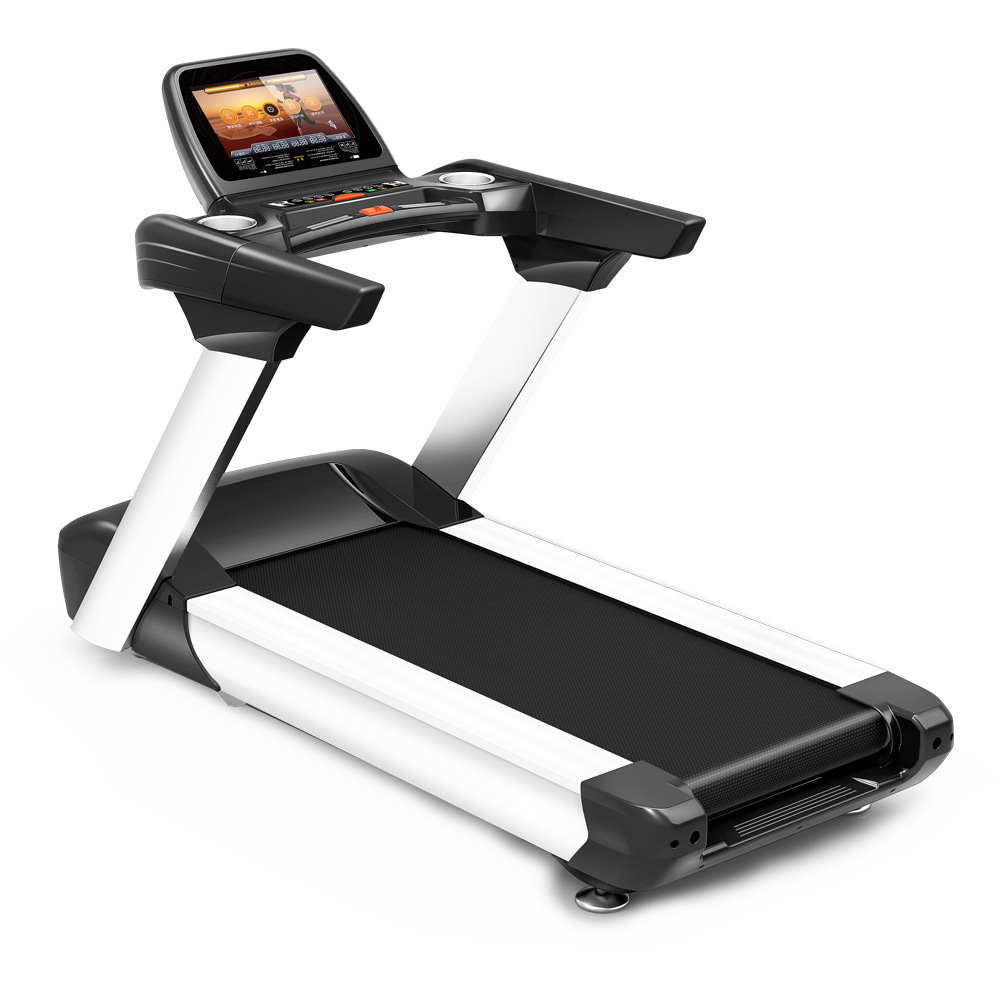
Before speaking with a factory, buyers should define the target product category. For YPOO buyers, this may include treadmills, walking pads, and incline treadmill models, plus broader cardio categories such as spin bikes, rowing machines, ellipticals, and related home fitness equipment.
Step 1: Product Idea and Market Positioning
The OEM process starts with a commercial brief. A private-label brand should define the target customer, price band, sales channel, product category, expected order quantity, destination market, and must-have features. A treadmill for apartment users is different from a treadmill for hotel gyms. A walking pad for e-commerce is different from a semi-commercial treadmill for distributors. The clearer the positioning, the faster the factory can recommend the right base model.
Step 2: Customization Inputs
Useful customization inputs include logo files, brand colors, console artwork, carton design, manual language, warning labels, barcode needs, plug type, voltage, app requirements, accessory list, and warranty expectations. For larger OEM or ODM projects, buyers should also prepare target motor power, belt size, speed range, incline type, frame requirement, max user weight, noise requirement, and packaging strength requirement.
Step 3: Factory Review and Model Selection
A good factory should help buyers compare available models instead of forcing every buyer into one product. Ask for model spec sheets, photos, videos, certificate files, carton dimensions, loading quantity, MOQ, sample cost, sample lead time, and spare-part list. For fitness equipment OEM, model selection should balance appearance, performance, freight cost, after-sales risk, and channel fit.
Step 4: Quotation and MOQ Confirmation
MOQ depends on the base model, customization depth, packaging requirement, and component availability. A logo-only order may have a lower MOQ than a custom color, custom console, app integration, or full carton redesign. When comparing quotes, buyers should review landed cost and risk, not only unit price. Motor, controller, belt, frame, packaging, certificates, parts, warranty, and inspection cost all affect the real cost.
Step 5: Sample Development
A simple logo-on-existing-model sample may take about 7 to 20 days after artwork confirmation. A deeper ODM sample may take 30 to 60 days or longer. During sample development, buyers should confirm appearance, function, packaging, accessory list, manual, warning labels, and basic performance. If the product will be sold online, sample packaging should be tested carefully because shipping damage can destroy margin and reviews.
Step 6: Testing and Quality Checks
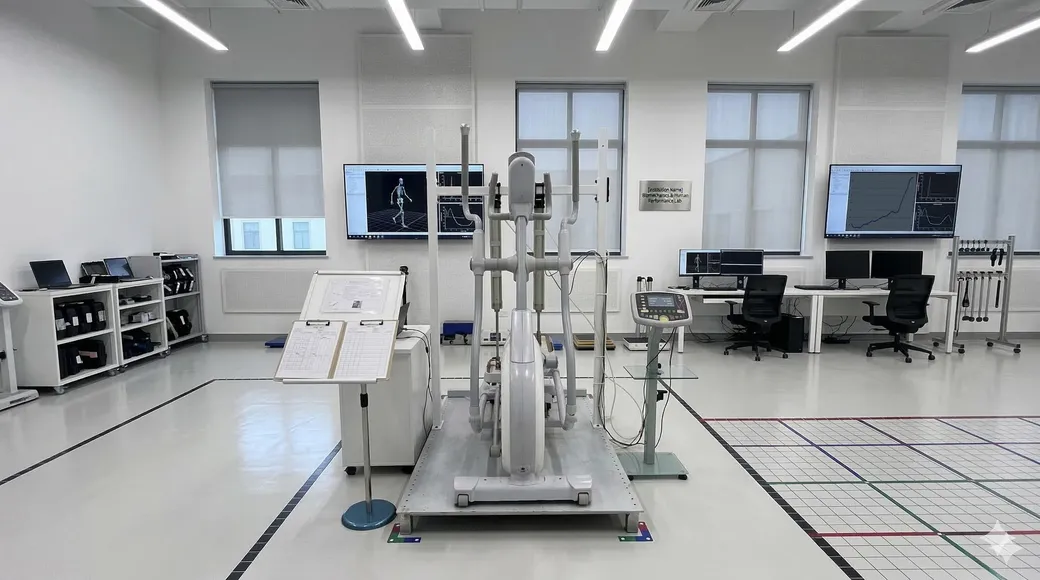
Fitness equipment needs more than a visual check. Buyers should discuss endurance testing, motor heat, belt tracking, noise, vibration, incline function, display function, safety key, cable connection, controller stability, packaging drop test, and pre-shipment inspection. For destination markets, confirm whether documents such as CE, RoHS, FCC, ETL, UKCA, or other files are required for the selected model.
Step 7: Packaging and Buyer Deliverables
Before mass production, ask for carton dimensions, gross weight, loading quantity, drop-test method, manual, label artwork, barcode position, accessory list, spare-part list, exploded diagram, warranty workflow, certificate files, product photos, and inspection checklist. These deliverables help buyers sell, warehouse, ship, inspect, and support the product after launch.
Step 8: Mass Production and Inspection
After sample approval and deposit, the factory moves into production planning. Buyers should confirm production lead time, packaging approval, inspection standard, acceptable quality limit, spare-part percentage, and shipment plan. For first orders, a third-party inspection or live factory inspection is recommended before balance payment and loading.
Step 9: Shipment and After-Sales Support
Shipment is not the end of the OEM process. A strong supplier should provide loading details, export documents, spare-part support, warranty process, troubleshooting guidance, and repeat-order stability. For private-label brands, after-sales planning is part of product development. If a buyer cannot source controllers, belts, motors, consoles, or packaging parts later, the product line becomes risky.
Common Buyer Mistakes
- Choosing by unit price before checking components, packaging, and warranty risk.
- Requesting logo customization before confirming product positioning.
- Ignoring carton strength, loading quantity, and shipping damage risk.
- Not checking whether certificates match the quoted model.
- Approving samples without testing noise, vibration, heat, and usability.
- Forgetting spare parts, exploded diagrams, and after-sales workflow.
FAQ
How long does a fitness equipment OEM project take?
A simple logo-on-existing-model project may move from artwork to sample in 7 to 20 days. ODM projects can take 30 to 60 days or longer depending on structure, electronics, app, packaging, and testing requirements.
What should buyers prepare before contacting an OEM factory?
Prepare product type, target market, price band, order quantity, logo files, color references, packaging needs, certificate market, destination, warranty expectations, and must-have features.
What deliverables should a fitness equipment OEM supplier provide?
Ask for spec sheets, photos, videos, carton details, loading quantity, manual, labels, accessory list, spare-part list, exploded diagram, warranty workflow, certificate files, inspection checklist, and shipment documents.
Can YPOO support private-label fitness equipment projects?
YPOO supports OEM, ODM, wholesale, and factory-direct projects across treadmill and broader cardio equipment categories. Buyers can review the YPOO product range or contact the team to discuss samples, customization, packaging, and shipment planning.
Final Recommendation
A successful fitness equipment OEM process depends on clear inputs, realistic MOQ, controlled samples, documented testing, strong packaging, and after-sales planning. Start with the product and market first, then shortlist suppliers by process quality, not only quoted price.
YPOO works with buyers who need fitness equipment OEM products, including treadmills, walking pads, spin bikes, rowing machines, ellipticals, and related cardio equipment. You can learn more about YPOO factory capability or contact YPOO to discuss model selection, samples, packaging, MOQ, and shipment planning.