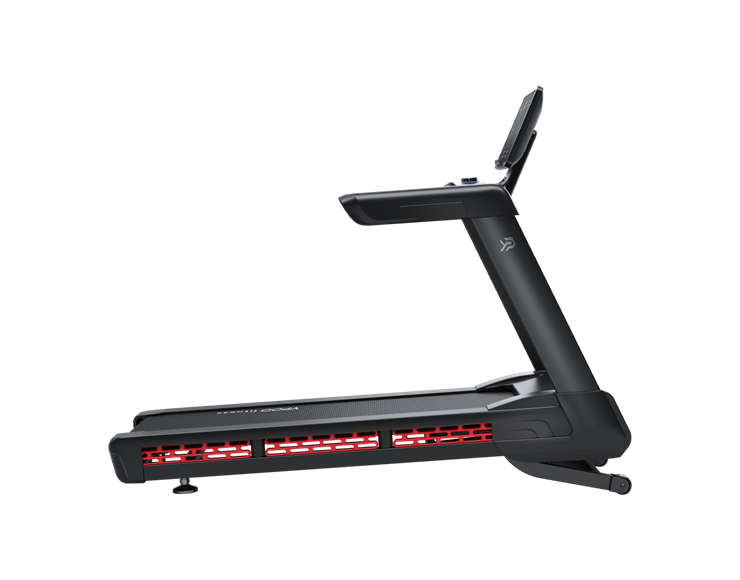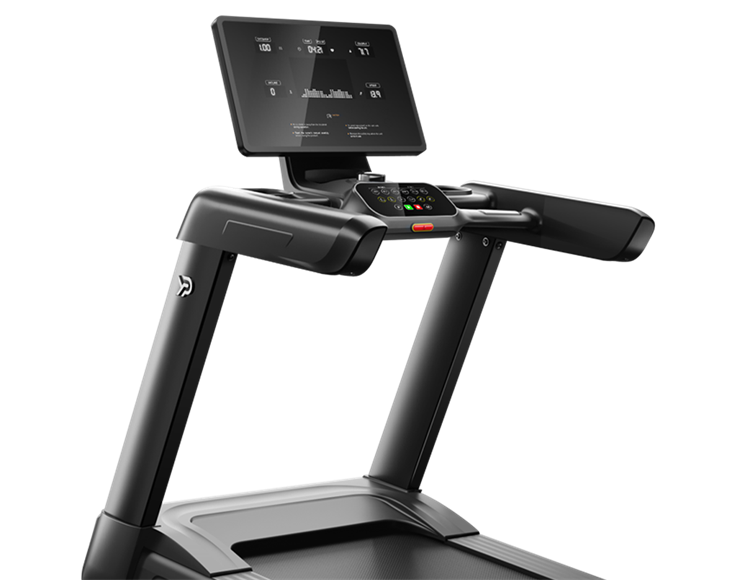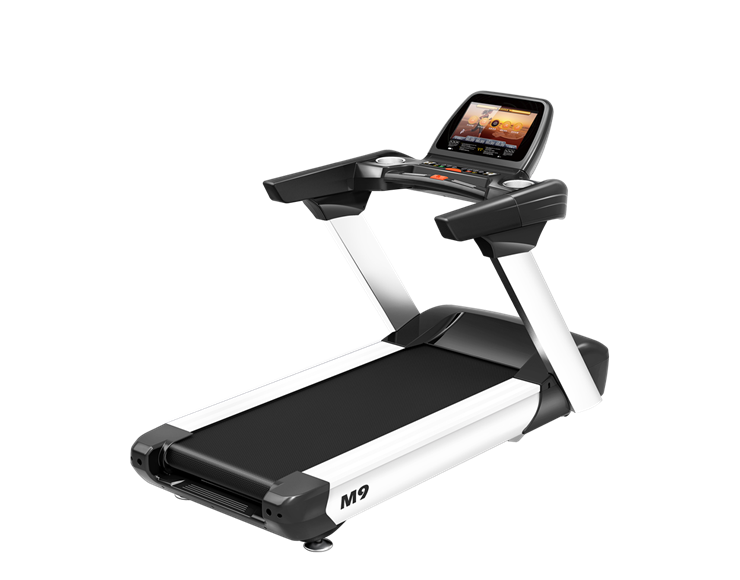


Thinking about buying factory direct treadmills for your business? Going straight to the source can save you serious money, especially if your order is big enough to offset shipping, customs, and local support costs.
Take a 100-unit order as an example. Going factory direct could bring your total landed cost down to around $94,000, compared to $120,000 from a local distributor. That is a solid $26,000 savings. Keep in mind, this is just an illustration to show how the numbers work, not a fixed quote or a guaranteed savings rate from YPOO.
The real question is not whether the factory price is lower. It usually is. The useful question is whether the final cost per sellable unit remains lower after international freight, duty, customs clearance, inland delivery, quality control, documentation, financing, spare parts, and warranty risk are included.
What Does Factory Direct Treadmill Buying Mean?
Factory direct means purchasing from the manufacturer that controls or coordinates production, rather than buying finished inventory from a local distributor or another trading layer. It may include standard wholesale models, private labeling, packaging changes, or deeper OEM and ODM development.
Direct buying does not mean every middle cost disappears. The buyer takes over work that a distributor may normally perform: model selection, import administration, inspection, warehousing, local delivery, parts stocking, and warranty handling. A valid comparison must value those responsibilities.
Want to make sure your supplier is an actual factory and not just a middleman? It pays to double check before you place a big order. Start by asking for their official business license, factory address, and a quick video walkthrough of their production line. Take a close look at what they actually make in house versus what they buy from outside vendors, like motors, controllers, frames, or consoles. Running through a simple manufacturer checklist gives you full visibility and keeps your order safe.
Where Factory-Direct Treadmill Savings Come From
The largest visible saving is the difference between the manufacturer’s export price and the reseller’s price. A local distributor’s margin is not pure profit: it may pay for inventory, credit, showrooms, sales staff, installation, local warranty, spare parts, and slow-moving stock. Direct sourcing is attractive when your organization can perform those functions at a lower total cost.
Lower Product and Customization Cost
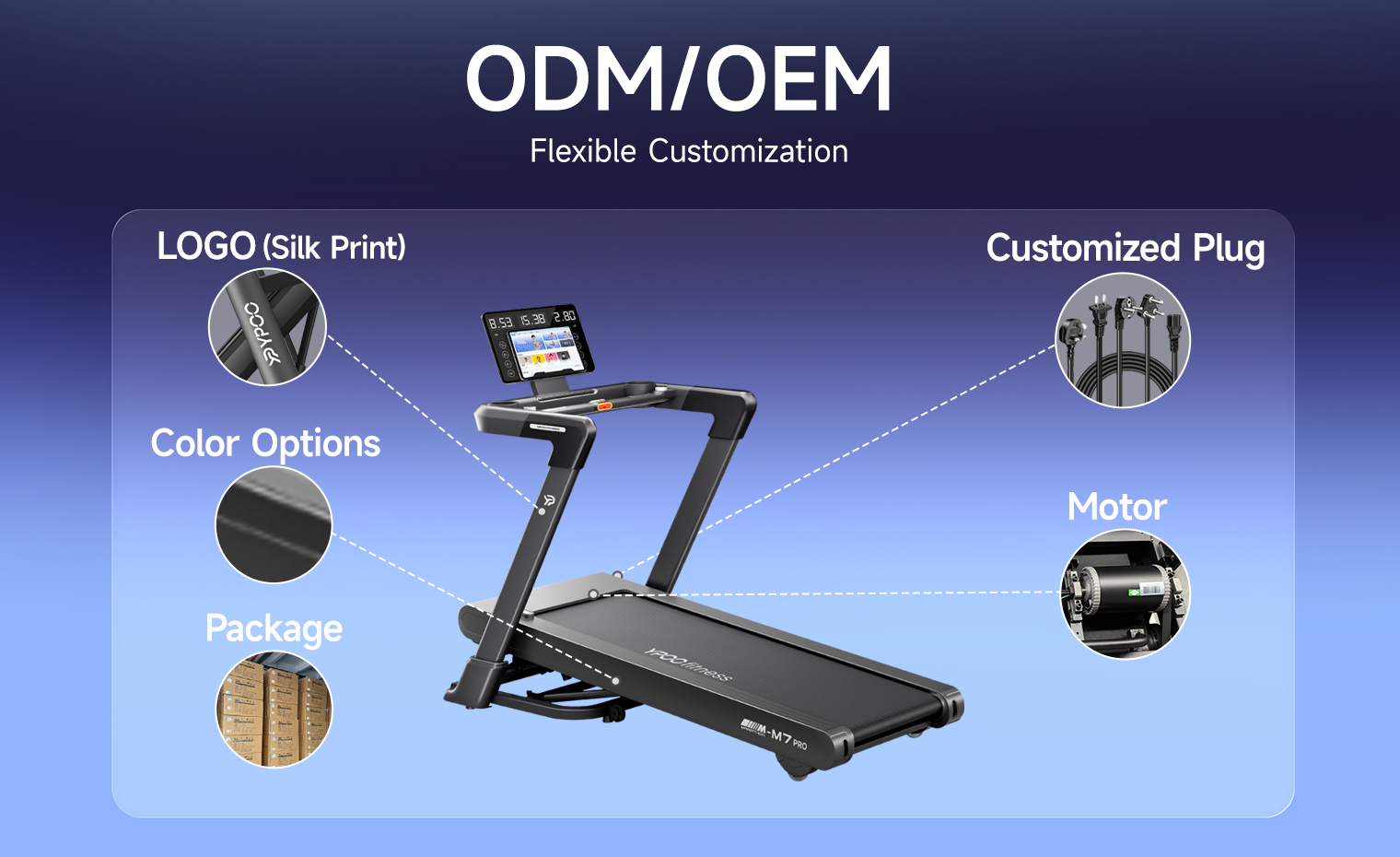
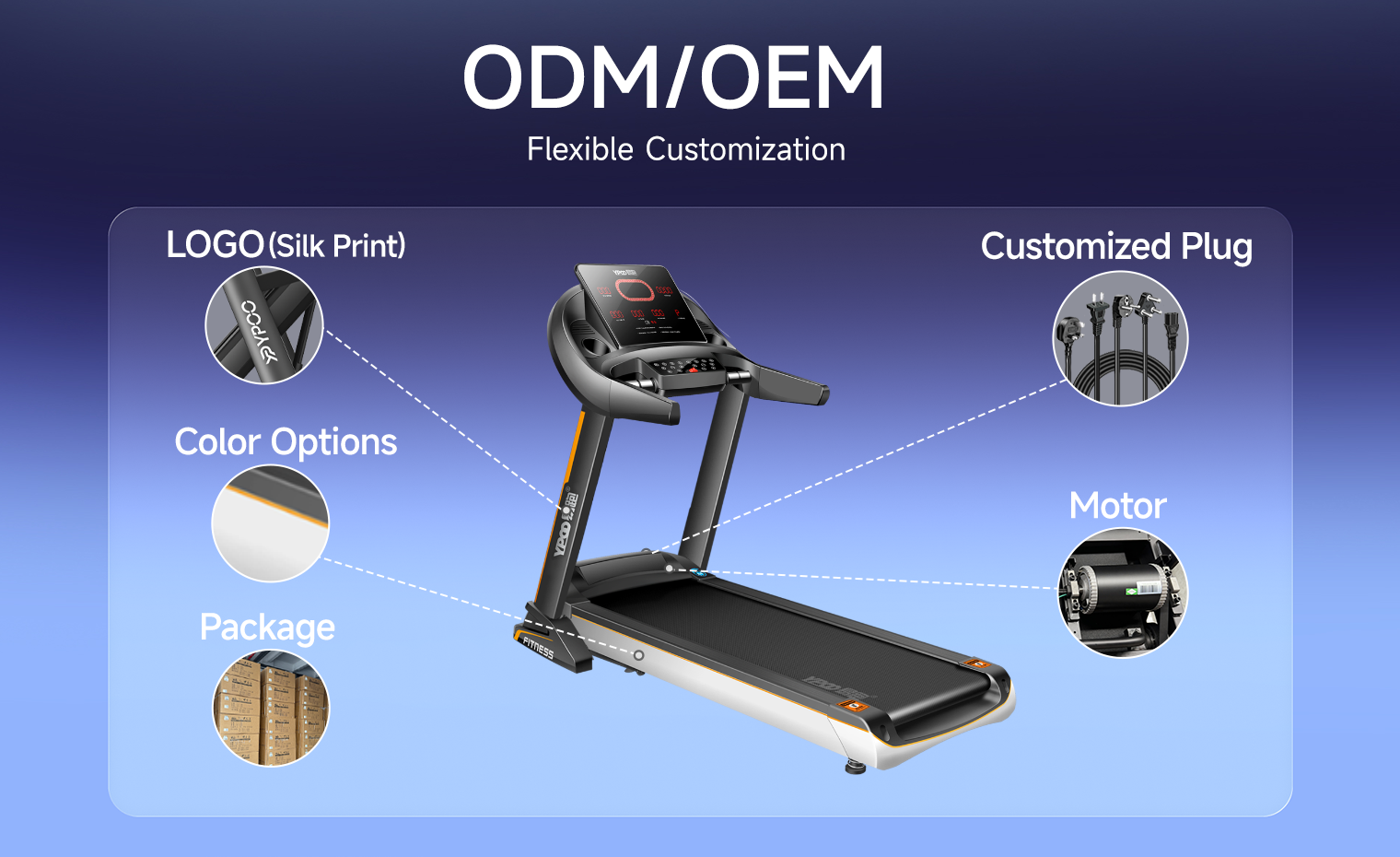
Factories can quote the exact bill of materials and customization scope without adding another reseller margin. Logo, carton, color, console, and accessory decisions can be handled closer to engineering. However, customization may add tooling, artwork setup, testing, and component MOQs. Compare standard, OEM, and ODM routes using the treadmill OEM versus ODM guide.
Better Container and Product-Mix Control
A buyer can plan models around carton volume, container loading, sales velocity, and price tiers. Better utilization lowers freight per unit. Poor utilization does the opposite. Ask for packing dimensions, gross weight, loading quantity, pallet plan, and photos of previous loads before calculating any saving.
How Much Can Factory Direct Treadmills Save?
Use this formula:
Saving % = (comparable local purchase cost − factory-direct landed cost) ÷ comparable local purchase cost × 100
The two offers must include the same product level and buyer benefits. A local delivered price with installation and warranty cannot be compared directly with an EXW factory price that leaves export, freight, import, and service to the buyer.
Illustrative 100-Unit Landed-Cost Example
| Cost Item | Distributor Purchase | Factory Direct |
|---|---|---|
| Product price | $120,000 delivered quote | $65,000 FOB |
| International freight and insurance | Included | $12,000 |
| Illustrative duties and import taxes | Included | $6,500 |
| Destination, broker, and inland delivery | Included | $4,500 |
| Inspection, compliance, and documents | Included or supplier-managed | $2,000 |
| Spare parts and warranty reserve | Included | $2,500 |
| Financing and contingency | Included in price | $1,500 |
| Total | $120,000 | $94,000 |
| Cost per unit | $1,200 | $940 |
In this example, the saving is $260 per unit, $26,000 in total, or 21.7%. Change any input and the result changes. Import VAT may be recoverable for some businesses but still affects cash flow. Tariffs can also change by product classification, origin, and destination.
Calculate the Factory-Direct Break-Even Quantity
Direct importing has fixed costs that must be spread over the order. Use:
Break-even units = fixed direct-import costs ÷ (local unit cost − factory-direct variable unit cost)
In the example, variable direct cost is $860 per unit: $650 product, $120 freight and insurance, $65 duties and taxes, and $25 warranty reserve. Fixed project costs total $8,000. The break-even calculation is $8,000 ÷ ($1,200 − $860) = 23.5, so the order begins to outperform the distributor comparison at approximately 24 units.
This does not mean 24 units will fit an efficient shipment. Carton cube and route pricing may make a larger quantity necessary. Ask a freight forwarder to quote the actual packing list.
EXW, FOB, CIF, or DDP: Compare the Same Cost Boundary
Incoterms define delivery tasks, costs, and risk allocation between seller and buyer. The ICC Incoterms 2020 rules cover 11 trade terms. A term does not define product quality, payment timing, warranty, or title ownership, so those items still belong in the contract.
- EXW: the buyer takes responsibility very early and must manage pickup and export arrangements.
- FOB: commonly used for containerized cost comparison, although buyers should obtain professional advice on the most suitable term for the shipment.
- CIF: includes named-port freight and insurance, but destination charges and import obligations remain important.
- DDP: appears simple, but buyers must confirm importer-of-record arrangements, taxes, customs compliance, and what is excluded.
State the named place or port and version, for example “FOB Ningbo, Incoterms 2020,” rather than writing only “FOB price.”
Factory-Direct Costs Buyers Often Miss
Tariffs, Taxes, and Customs Classification
Do not copy a duty rate from another buyer’s shipment. Check the destination’s current tariff database with a customs professional. The WTO Tariff & Trade Data platform aggregates official tariff information, while the European Commission’s EU importing resources direct businesses to Access2Markets. U.S. importers can review CBP guidance for new importers.
Quality Inspection and Rework
A low unit price can disappear after belt alignment issues, transit damage, missing hardware, or incorrect labels. Budget for sample approval, pre-production checks, in-process control when appropriate, and pre-shipment inspection. Define critical, major, and minor defects plus the response to failure before production.
Compliance and Model Changes
Reports must match the ordered motor, controller, console, wireless function, labels, and destination. A component substitution can invalidate the evidence behind a compliant sample. Include documentation review and change approval in the purchase agreement rather than treating certificates as a one-time attachment.
After-Sales Service and Spare Parts
Direct buyers need a plan for diagnostic support, stocked parts, warranty labor, replacements, and response times. Agree on the free spare-parts ratio, paid parts prices, shipment method, service manuals, videos, and responsibility for repeated defects. A reserve in the landed-cost calculation makes the comparison more realistic.
When Factory Direct Is Cheaper and When It Is Not
A factory direct treadmill order is more likely to save money when you can purchase a container-efficient quantity, forecast demand, inspect production, manage importing, hold parts, and support customers. It can also work well for distributors who need private labeling or a differentiated specification.
A local distributor may offer better value for a small urgent order, uncertain demand, mixed single units, financed inventory, installation-heavy projects, or markets where your organization lacks import and service capability. The lowest invoice is not automatically the lowest cost.
Get a Factory-Direct Treadmill Cost Review
The safest way to find the saving is to compare two complete landed-cost models using the same treadmill specification and service scope. Do not negotiate only the FOB line. Improve loading, freeze the product revision, verify documents, inspect production, and budget after-sales support.
YPOO’s treadmill range includes home, walking-pad, semi-commercial, and commercial-style options for different channels. Review features with the wholesale treadmill sales guide, then lock the sample and bill of materials before mass production. Contact YPOO with your destination, quantity, target users, specifications, branding needs, and preferred Incoterm. YPOO can prepare a factory-direct product and packing proposal that you can combine with current freight, customs, and local service quotes.
All figures in this article are illustrative and are not a quotation, tariff opinion, tax calculation, or legal advice. Confirm costs and import requirements with qualified freight, customs, tax, testing, and legal professionals.
FAQ
Is a factory-direct treadmill always cheaper?
No. Direct buying is cheaper only when the landed cost and operating responsibilities are lower than the comparable distributor offer. Small shipments, poor loading, customs problems, defects, and weak service planning can remove the saving.
What is included in treadmill landed cost?
Include the product, export charges, freight, insurance, duty, nonrecoverable taxes, customs clearance, port costs, inland delivery, inspection, compliance work, financing, warehousing, spare parts, warranty reserve, and expected losses.
Which Incoterm is best for buying treadmills from a factory?
There is no universal best term. Many experienced buyers compare named-port FOB offers because they control the main freight, while other buyers need different arrangements. Select the term with a forwarder or trade professional and state the named place.
How many treadmills should I order factory direct?
Calculate the financial break-even quantity, then compare it with the factory MOQ, component MOQs, carton volume, container loading, sales forecast, and working capital. The economically efficient quantity may be higher than the mathematical break-even point.
Can I add my brand to factory-direct treadmills?
Usually, subject to factory capability, artwork approval, MOQ, and market rules. Confirm logo method, colors, console interface, labels, manual, carton, tooling, ownership, sample approval, and compliance impact in writing.