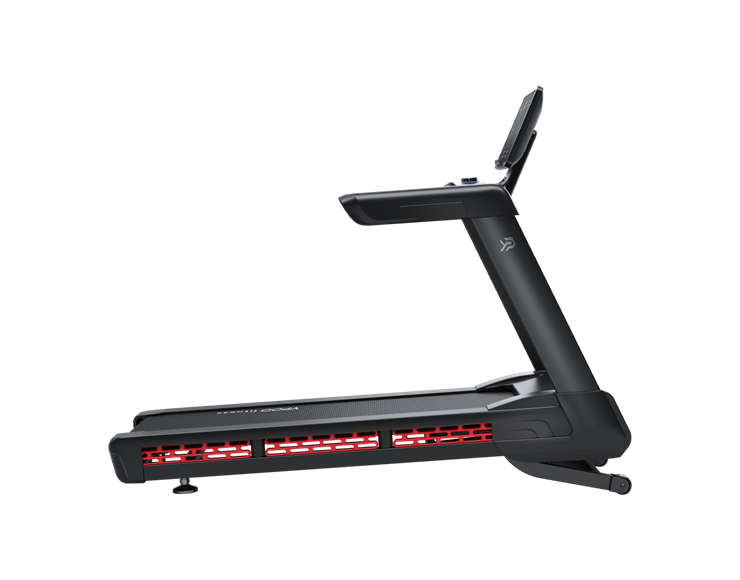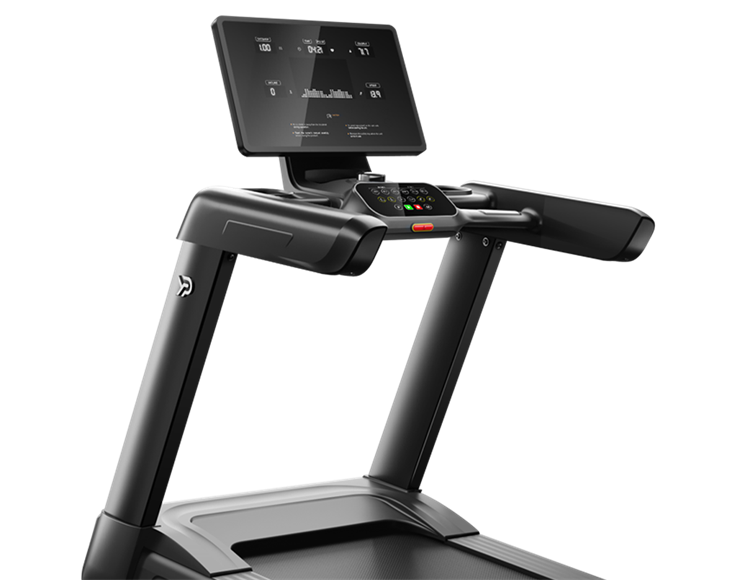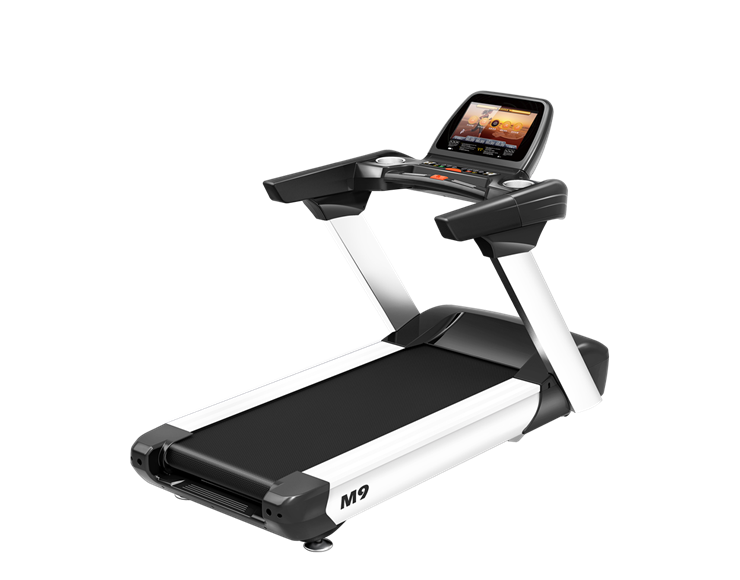


Buying apartment gym equipment sounds simple enough until you end up with noisy machines, cramped layout errors, or gear that nobody actually uses. It is a completely different challenge than setting up a home garage or a huge commercial club.
Before you place that big order, taking a step back can save you thousands of dollars and endless tenant complaints. Here are the top ten mistakes to watch out for so you can build a fitness space your residents will actually love.

Why Apartment Gym Equipment Buying Is Different
An apartment fitness room should support leasing and resident retention while surviving unsupervised shared use. Machines need to fit the delivery route, control noise, and remain easy to maintain. The room must also support circulation, accessibility, cleaning, and emergency egress.
Start with the room and its users, not a supplier catalog. Record the usable floor area, ceiling height, door widths, elevator limits, power points, ventilation, floor construction, neighboring rooms, and expected peak occupancy. Then match the equipment mix to resident demand and the level of use stated in each product’s documentation and warranty.
10 Common Apartment Gym Equipment Buying Mistakes
1. Buying Before Defining Resident Demand
A generic package may not match its users. Young professionals may need a different mix from senior living, student housing, or a family development. Review demographics, leasing feedback, surveys, nearby competitors, and usage records from similar properties.
Turn that research into a brief covering expected users, peak periods, workout goals, accessibility needs, and target experience. Give every supplier the same basis for a quotation.
2. Choosing the Wrong Cardio-to-Strength Mix
Filling a room with familiar cardio machines or one station for every possible exercise can waste space. Most residential gyms need a balanced mix of cardio, versatile strength, benches, dumbbells, and a flexible stretching area.
Duplicate machines where demand overlaps, such as treadmills, rather than low-use stations. Compare operating footprints: moving pedals, bench adjustments, and user access all need room.
3. Ignoring Noise, Vibration, and Floor Structure
Treadmill footfall, dropped weights, and motors can transmit sound into apartments. Rubber tiles alone do not solve every vibration problem; location, floor composition, isolation, and neighboring rooms all matter.
Ask structural and acoustic professionals to review loads, vibration paths, and mitigation before procurement. Suppliers should provide machine weight, user-weight rating, available dynamic-use information, and anchoring requirements.
4. Underestimating Layout, Circulation, and Accessibility
Packing rectangles into a floor plan can block controls, mounting zones, or wheelchair access. Plan approaches, transfer positions, accessible routes, door swings, cleaning access, and egress. The U.S. Access Board explains that exercise equipment must be considered with clear floor space and an accessible route. Confirm the rules applicable to each project locally.
Ask the architect or accessibility consultant to review actual model footprints. Any shared clear space should be an intentional, code-informed decision.
5. Buying Home-Use Machines for a Shared Amenity
A low retail price can hide a mismatch with multi-user operation. Home-use equipment may have different components, testing, warranties, and duty expectations from products intended for controlled shared facilities.
Request the intended-use class, warranty coverage for multifamily use, user-weight rating, and maintenance schedule in writing. The ISO 20957-1 standard covers general safety requirements, testing, and classification for indoor stationary training equipment. Obtain evidence tied to the exact model.
6. Prioritizing Screens Over Uptime and Serviceability
Connected workouts can help an amenity stand out, but a beautiful console becomes a liability if support ends, parts are unavailable, or a small fault disables the machine.
Compare maintenance access, diagnostics, replaceable modules, software terms, offline operation, and service coverage. Confirm parts-support periods and technician availability. Residents value reliable machines more than showroom-only features.
7. Forgetting Power, Internet, Ventilation, and Climate Control
Equipment, televisions, lighting, and HVAC compete for electrical capacity. Consoles may require stable Wi-Fi or subscriptions, while users generate heat and moisture that affect comfort and equipment life.
Map every outlet, voltage, circuit, network point, and cable route. Have electrical and mechanical professionals confirm capacity, ventilation, temperature control, and local requirements.
8. Skipping Delivery and Installation Planning
A machine can fit the gym but fail to fit the building. Check packaged dimensions and weights against docks, doors, corners, stairs, elevators, and floor protection. Confirm what arrives assembled.
Assign responsibility for unloading, inside delivery, assembly, placement, anchoring, waste removal, testing, and handover. Request carton data before shipment. With wholesale commercial fitness equipment, freight quotations may stop at the curb, port, or warehouse.
9. Accepting Generic Compliance Documents
A supplier logo on a certificate is not enough. Reports should identify the legal manufacturer, exact model and configuration, test standard, issuing body, and date. Labels and manuals must match the market. Ask how product changes affect previous evidence.
Verify critical files before paying the final balance. The CE fitness equipment document checklist is a starting point for European projects. Obligations depend on configuration and destination, so use a qualified specialist.
10. Comparing Purchase Price Instead of Lifecycle Cost
The lowest quote may become the most expensive after freight, installation, software, maintenance, parts, service travel, warranty exclusions, and downtime. A broken key machine also reduces the amenity’s value.
Create a multi-year cost model covering delivery, duties, installation, energy, subscriptions, cleaning, service, wear parts, warranty labor, and downtime. Compare commercial-use eligibility, response process, parts availability, and technician expenses.

Apartment Gym Equipment Planning Checklist
| Planning area | What to record | Risk if missed |
|---|---|---|
| Resident demand | User profiles, goals, peak times, accessibility needs | Low usage and poor product mix |
| Room survey | Usable area, ceiling height, doors, circulation, neighboring spaces | Crowded or nonfunctional layout |
| Building systems | Floor structure, acoustics, power, internet, HVAC | Noise complaints, overloads, discomfort |
| Product evidence | Intended use, tests, reports, labels, manuals, warranty | Safety, compliance, and coverage gaps |
| Logistics | Carton sizes, elevator limits, delivery scope, assembly plan | Delays, damage, and extra charges |
| After-sales support | Service network, parts list, lead times, maintenance schedule | Long downtime and unpredictable cost |
Recommended Equipment Mix for Different Apartment Gyms
The right mix depends on room size, resident count, peak demand, positioning, and local requirements. Validate these planning patterns with resident research and a scaled layout.
Small Apartment Fitness Room
Prioritize versatile, compact machines: a treadmill or walking solution, an upright or recumbent bike, a compact rower or elliptical, an adjustable bench, dumbbells, and a cable or multifunction strength station. Preserve open floor area for mobility work rather than filling every corner.
Medium Multifamily Amenity Gym
Add duplicates for the most popular cardio category, a broader low-impact choice, two complementary strength stations, and a better free-weight range. Separate cardio, strength, and stretching zones so that users do not cross moving paths. Review the commercial gym equipment wholesale guide for supplier and order-planning questions.
Premium or High-Traffic Apartment Gym
Focus on capacity, durability, and fast recovery from faults. Consider a varied cardio line, accessible training options, strength for all major movement patterns, functional training, and clearly separated free-weight space. Premium consoles may support the building’s positioning, but service contracts, spare parts, and network management should be confirmed first.
Build an Apartment Gym Residents Will Actually Use
The best apartment gym equipment package begins with a clear user brief and a verified building plan. Shortlist products only after noise, structure, accessibility, utilities, logistics, compliance, service, and lifecycle cost have been addressed. That process produces a smaller risk register, a more defensible purchase, and a better everyday resident experience.
YPOO supports B2B buyers with cardio and fitness equipment selection, OEM options, packing information, and project quotations. Explore the YPOO product range or contact YPOO with your floor plan, target market, required quantities, destination, and service expectations.
This article is general procurement information, not structural, acoustic, electrical, accessibility, or legal advice. Engage qualified local professionals to review the building and applicable requirements before purchase and installation.
FAQ
What Equipment Should an Apartment Gym Have?
A practical apartment gym usually combines popular cardio, low-impact cardio, versatile strength equipment, free weights, benches, and open stretching space. The exact selection should follow resident demand, room constraints, accessibility planning, maintenance capacity, and budget.
How Much Space Is Needed for an Apartment Gym?
There is no single minimum that fits every project. Calculate space from actual operating footprints, approach and transfer areas, circulation, egress, cleaning access, and open exercise zones. Have the scaled layout reviewed under applicable building and accessibility rules.
Should Apartment Gyms Use Commercial Equipment?
Shared residential gyms should use products whose manufacturer explicitly permits the expected apartment or multifamily use. Verify intended-use classification, duty expectations, testing, and warranty coverage in writing instead of relying only on the word “commercial” in marketing.
How Can You Reduce Treadmill Noise in an Apartment Building?
Reduce noise through coordinated equipment selection, room location, floor design, isolation, correct installation, preventive maintenance, and resident rules. Because vibration can travel through the structure, an acoustic and structural review is more reliable than assuming a mat will solve every problem.
What Documents Should an Apartment Gym Equipment Supplier Provide?
Request model-specific specifications, intended-use information, applicable test reports and declarations, labels, manuals, maintenance instructions, packing data, warranty terms, spare-parts lists, and service contacts. Required compliance documents depend on the destination and configuration.