
Buying wholesale commercial fitness equipment is not only a price comparison. For gyms, distributors, hotel fitness rooms, apartment fitness centers, rehabilitation spaces, and private-label brands, the real decision is whether a supplier can protect uptime, user safety, delivery schedules, and your brand reputation after the first container ships.
That is why a supplier interview should feel more like a technical audit than a casual sales call. A polished catalog is useful, but the answers behind the catalog matter more: Who makes the equipment? Which parts are controlled in-house? What testing data exists? What happens when a console fails six months later? This guide gives buyers 10 practical questions to ask before placing a wholesale order.
If you need a broader procurement overview, start with YPOO’s commercial gym equipment wholesale guide. This article is narrower: it is a supplier-question framework you can use during RFQs, video calls, sample orders, and factory evaluations.
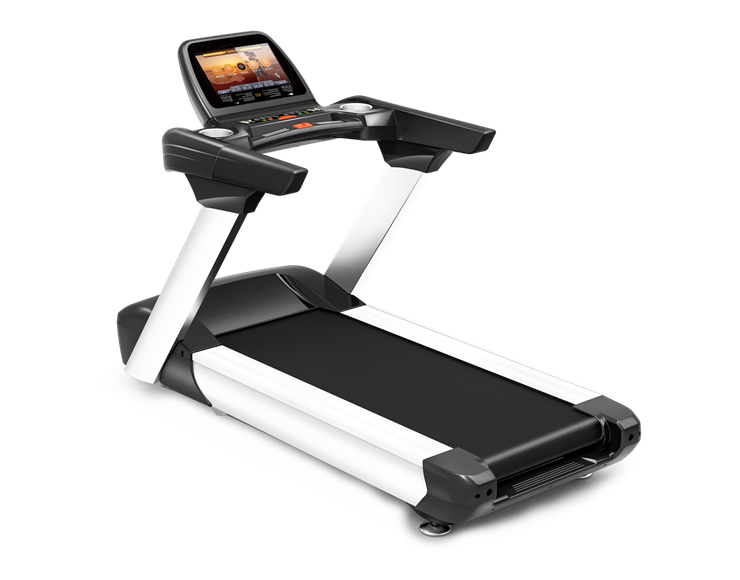
Quick Answer: What Should You Ask a Wholesale Commercial Fitness Equipment Supplier?
Before committing to a supplier, ask questions that reveal four things: manufacturing control, commercial-grade proof, order flexibility, and after-sales responsibility. The best supplier answers are specific, documented, and connected to the exact models you plan to buy.
| Supplier Question | Evidence to Request | Warning Sign |
|---|---|---|
| Are you a factory, trading company, or mixed supplier? | Factory profile, production photos, video tour, business scope | Vague answers about where products are made |
| Which categories do you manufacture directly? | Product category list, production lines, model ownership | One supplier claims expertise in every category with no proof |
| What proves the equipment is commercial-grade? | Frame specs, motor ratings, endurance tests, load tests | Only peak power or marketing terms are provided |
| What MOQ and model mix fit my facility or market? | MOQ sheet, sample policy, container loading plan | Low MOQ is offered without clear cost or lead-time impact |
| How do you support warranty and spare parts? | Warranty terms, spare-parts list, response process | No written service process after payment |
1. Are You the Factory, a Trading Company, or a Mixed Supplier?
This is the first question because it shapes every other answer. A trading company may still be useful when you need broad sourcing support, but for high-use fitness equipment, factory visibility is valuable. It helps you understand who controls production, who owns the tooling, who can solve engineering issues, and who will respond when warranty questions appear.
Ask the supplier to explain their role clearly. Do they own the factory? Do they assemble the product? Do they outsource some categories? Can they show real production lines, testing areas, injection molding, metalworking, motor assembly, or packing operations? A trustworthy supplier should not be offended by this question. Serious buyers ask it because they are protecting a large investment.
2. Which Commercial Fitness Equipment Categories Do You Actually Manufacture?
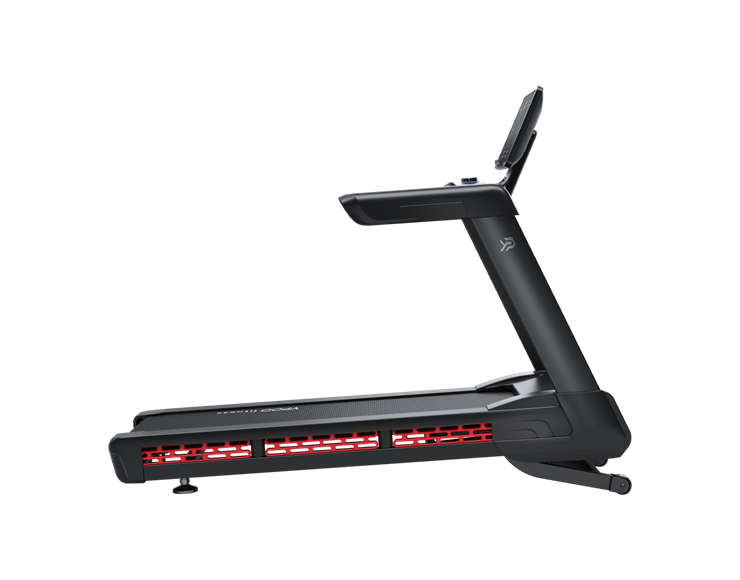
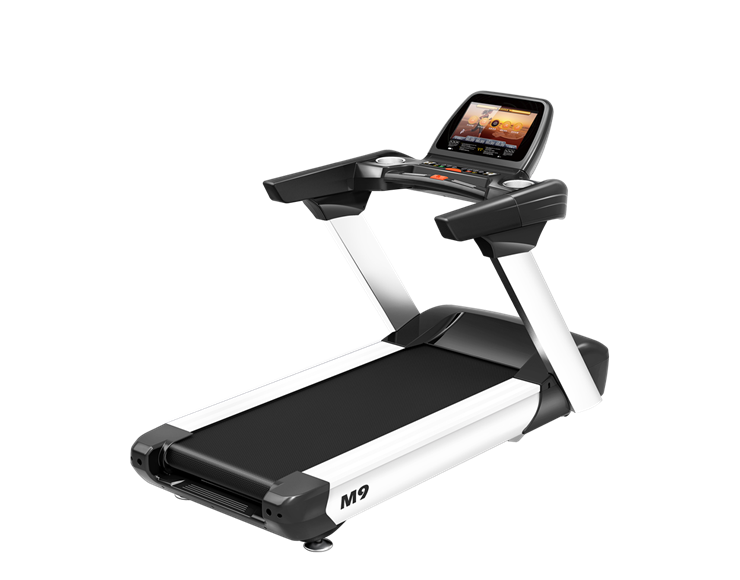
Wholesale commercial fitness equipment can include treadmills, spin bikes, upright and recumbent bikes, ellipticals, rowers, strength machines, and accessories. Few factories manufacture every category at the same depth. The important thing is not whether a supplier has the longest catalog; it is whether the supplier can explain which categories they make directly and which ones they source through partners.
For a distributor, this question protects product consistency. For a gym chain, it protects maintenance planning. If you buy treadmills from one production system and bikes from another, you need to know whether documentation, packaging, spare-parts coding, and service responsibility are still unified.
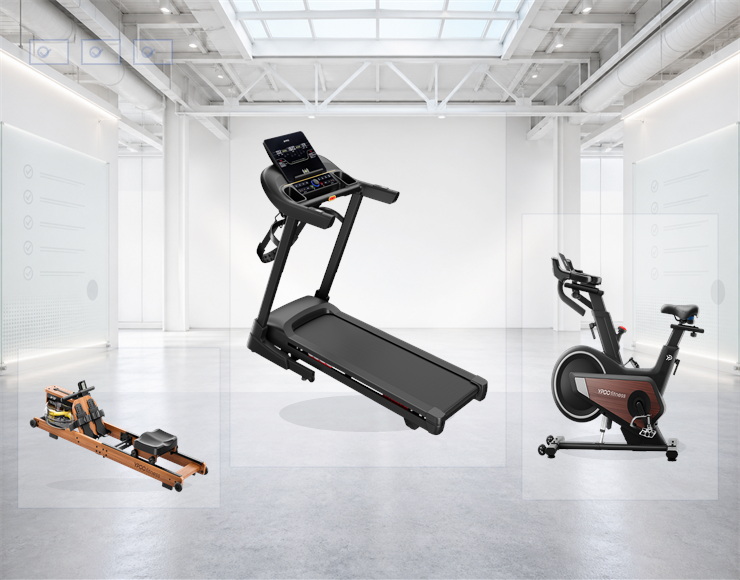
YPOO’s public product range includes treadmills, spin bikes, exercise bikes, ellipticals, and rowing machines, which makes product mix planning easier for buyers who want several cardio categories from one fitness equipment supplier.
3. What Proof Shows the Equipment Is Commercial-Grade?
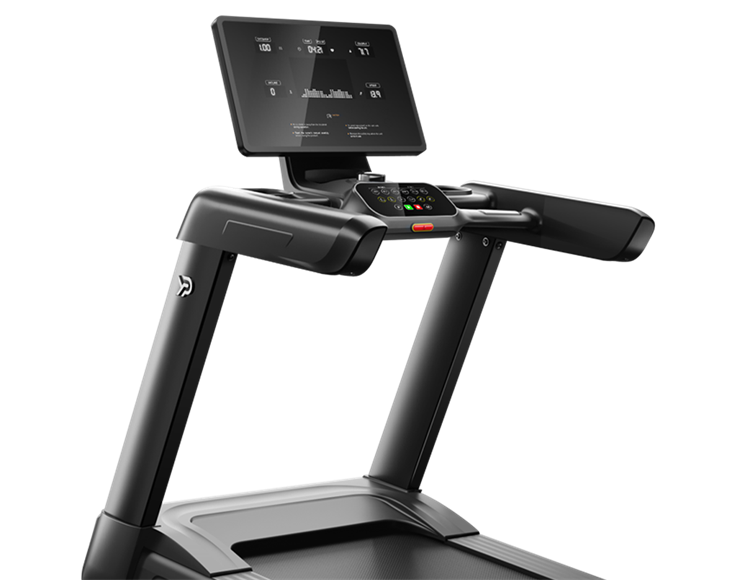
“Commercial-grade” should not be a decorative phrase. Ask the supplier to define it with measurable specifications and test methods. For treadmills, that may include motor rating, running belt size, deck structure, roller diameter, frame material, maximum user weight, incline mechanism, cooling design, and continuous-use expectations. For bikes, ask about flywheel weight, resistance system, crank structure, seat post durability, handlebar stability, and console reliability. For rowers and ellipticals, review rail structure, resistance type, pedal movement, drive system, and bearing quality.
The strongest answer connects specs to the real use environment. A corporate gym used lightly three times per day does not create the same stress as a 24-hour fitness center, a hotel gym during peak travel season, or a school training room. Give the supplier your expected daily use, user profile, operating hours, and service expectations before they recommend models.
4. How Do You Control Motors, Frames, Rollers, Consoles, and Key Components?
Component control is one of the easiest ways to separate a serious manufacturer from a catalog reseller. For commercial treadmills, motors, rollers, running belts, control boards, and frame welding directly affect safety and long-term service cost. For bikes and rowers, drive systems, resistance parts, bearings, pedals, rails, and console electronics determine how the product feels after months of use.
Ask which components are made in-house, which are sourced, and how incoming parts are inspected. The goal is not to demand that every part be made by one factory. The goal is traceability. If a batch of control boards has an issue, can the supplier identify the batch, replace parts quickly, and adjust the production process? That capability matters more than a beautiful product photo.
5. What MOQ, Sample Policy, and Model Mix Do You Recommend?
MOQ is not just a number. It affects unit cost, packaging design, customization options, warehouse pressure, and how quickly you can test demand. A good supplier should explain the difference between sample orders, trial orders, mixed-container orders, and full wholesale production. They should also help you avoid an order that looks cheap per unit but creates too many slow-moving SKUs.
| Buyer Scenario | Useful Supplier Question | What a Good Answer Includes |
|---|---|---|
| New distributor testing the market | Can I mix models in one trial order? | Clear MOQ by model, packaging limits, and lead time |
| Gym chain opening multiple sites | Which models match heavy-use zones? | Usage-based model recommendations and service plan |
| Private-label brand | What MOQ applies to logo, color, console, and carton changes? | Separate MOQ for cosmetic and engineering customization |
| Hotel or apartment project | Can you support phased shipment? | Production schedule, spare-parts plan, and delivery coordination |
6. What Customization Can You Support Without Increasing Risk?
OEM and ODM options are attractive, but not all customization has the same risk level. Logo printing, carton artwork, color accents, manuals, plug types, and display language are usually more manageable. Changes to motors, frames, electronics, safety keys, braking systems, or structure may require more testing and a longer validation cycle.
Ask the supplier to separate cosmetic customization from engineering customization. Then ask what each option changes in MOQ, sample cost, mold cost, testing needs, and delivery time. The right supplier will help you customize intelligently instead of saying yes to every request and solving problems later.
7. Which Certificates, Test Reports, and Manuals Match My Market?
Documentation requirements vary by destination market and sales channel. A buyer importing wholesale commercial fitness equipment should ask for certificates and reports that match the exact model, not a similar product from a different year. Depending on the market and equipment type, buyers may need safety test reports, EMC documentation, RoHS-related material information, user manuals, warranty statements, labels, packing lists, and HS code support.
Do not treat certification as a checkbox at the end of the order. Ask early, especially if you sell to retailers, government projects, hotel groups, schools, or regulated commercial facilities. If the supplier cannot explain which documents belong to which model, that is a procurement risk.
8. How Do You Handle QC Before Shipment?
Quality control should appear at several points: incoming materials, production assembly, running tests, safety checks, packaging inspection, and pre-shipment inspection. Ask for the supplier’s inspection checklist and sample test records. For high-use commercial fitness equipment, the most important question is whether testing reflects real operating stress, not only whether the unit powers on.
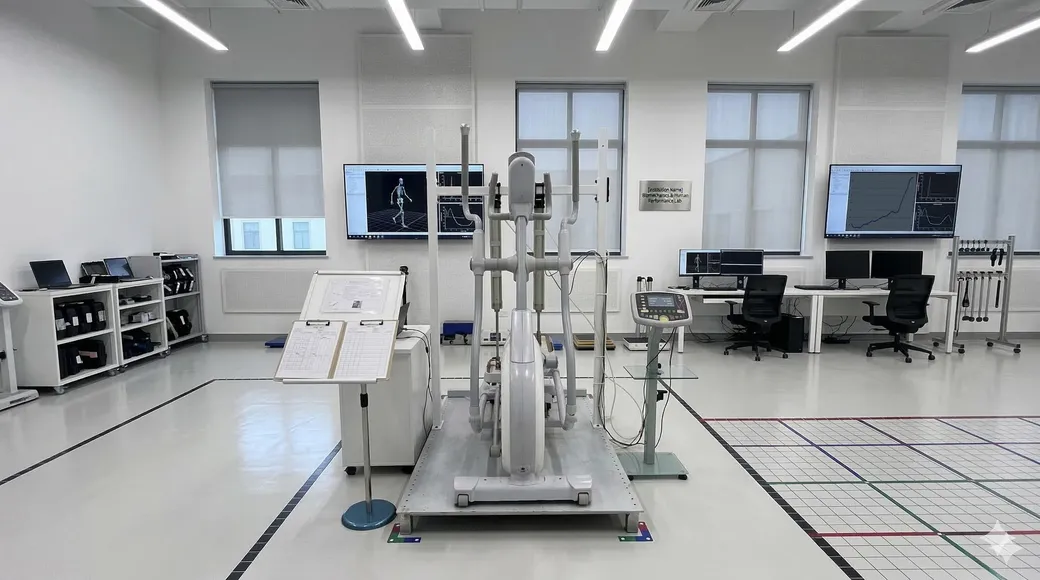
YPOO’s public company information highlights a CNAS laboratory, high-standard product quality inspections, and manufacturing capacity. During procurement, buyers can turn that into specific questions: Which test applies to this treadmill? How long is the life test? What drop-test standard is used for packaging? Can I receive inspection photos or videos before shipment?
9. What Packaging and Loading Plan Reduces Freight Damage?
A reliable wholesale supplier thinks beyond the product itself. Commercial fitness equipment is heavy, awkwardly shaped, and often vulnerable at consoles, handlebars, rails, plastic covers, and motor housings. Packaging has to protect the unit through factory handling, container loading, sea freight, customs inspection, warehouse unloading, and final delivery.
Ask for carton dimensions, gross weight, container quantity, pallet options, drop-test details, loading diagrams, and replacement-part packaging. If you are importing several categories together, ask whether treadmills, bikes, and rowers can be loaded in a way that prevents compression damage. The lowest FOB price is not attractive if damage claims erase the margin.
10. What Warranty, Spare Parts, and After-Sales Process Is Realistic?
The final question is the one many buyers ask too late. A warranty is only useful if the supplier has a practical process behind it. Ask what parts are covered, how claims are documented, how quickly parts can ship, which parts should be included with the first order, and whether service videos or technical diagrams are available.
For distributors and facility operators, spare-parts planning is part of the purchase, not an add-on. Request a recommended spare-parts list for the first year. For treadmills, that may include belts, boards, safety keys, rollers, sensors, and plastic covers. For bikes and rowers, ask about pedals, straps, bearings, seats, consoles, resistance parts, handles, and hardware kits.
Supplier Interview Scorecard for Wholesale Commercial Fitness Equipment
Use a simple scorecard after each supplier call. It helps you compare suppliers on evidence instead of sales confidence.
| Evaluation Area | Score 1 Means | Score 5 Means |
|---|---|---|
| Factory transparency | Unclear production role | Clear factory, lines, process, and ownership |
| Commercial-grade proof | Marketing claims only | Model-specific specs and test evidence |
| Product-category fit | Catalog is broad but shallow | Categories match your facility or market plan |
| Customization control | Promises are vague | MOQ, cost, risk, and timeline are documented |
| QC and packaging | No checklist shared | Inspection, test, packaging, and loading proof is available |
| After-sales support | Warranty is verbal | Written warranty, spare-parts plan, and service workflow |
A supplier does not need a perfect score in every area, but low scores should trigger follow-up questions before payment. For high-use facilities, the most dangerous gaps are weak commercial-grade proof, unclear spare-parts support, and poor packaging control.
How YPOO Fits This Supplier-Question Framework
YPOO presents itself as a fitness equipment manufacturer and OEM/ODM supplier. Its public website lists multiple cardio categories, including treadmills, spin bikes, exercise bikes, ellipticals, and rowing machines. The company information page also highlights an 85,000㎡ factory, 2500+ daily production capacity, a CNAS laboratory, and R&D capability for updated products each year.
For buyers, the practical next step is to use the 10 questions above when contacting YPOO or any other supplier. Share your target market, expected daily usage, preferred product mix, customization needs, certification requirements, order quantity, and delivery schedule. The more specific your RFQ is, the easier it is for a supplier to recommend the right commercial equipment instead of simply quoting the cheapest model.
If you are comparing suppliers now, visit YPOO’s factory overview, review the product range, and then contact the team with your RFQ, target specs, and expected order plan.
FAQ About Wholesale Commercial Fitness Equipment Suppliers
What is wholesale commercial fitness equipment?
Wholesale commercial fitness equipment refers to cardio or strength equipment purchased in bulk for business use, such as gyms, hotels, schools, residential fitness centers, distributors, and private-label fitness brands. The equipment should be selected for higher usage, stronger service needs, and longer uptime expectations than typical home-use products.
How do I verify a commercial fitness equipment supplier?
Verify the supplier’s factory role, product categories, model-specific specifications, test reports, QC process, export experience, packaging method, warranty terms, and spare-parts support. A video factory tour, sample order, inspection checklist, and written service process are useful verification steps.
What specs matter most when buying commercial treadmills wholesale?
Key specs include continuous motor performance, running belt size, deck structure, roller quality, frame strength, incline system, maximum user weight, cooling design, console durability, and serviceable spare parts. Ask the supplier to connect every spec to your expected usage level.
Should I choose a factory or a trading company?
A factory can offer stronger production visibility, engineering feedback, and component traceability. A trading company may help with broad sourcing across many categories. For high-use commercial equipment, buyers should prioritize suppliers that can clearly prove manufacturing control and after-sales responsibility.
What should I include in an RFQ for wholesale commercial fitness equipment?
Include your target market, product categories, order quantity, model mix, expected daily use, certification needs, plug type, customization requests, packaging requirements, spare-parts expectations, destination port, and target delivery timeline. A detailed RFQ helps the supplier quote the right product instead of only the lowest price.