

Searching for the best exercise bike manufacturers on the market? It is easy to get lost when every manufacturer claims to have the most durable, feature-packed gear. Yet a busy commercial gym and a quiet home gym need very different things.
This guide makes the shortlist easier. We compare 10 established manufacturers, explain where each one fits best, and share the checks that matter before you buy. The order is editorial, not a revenue ranking. Product lines and availability can change, so always confirm the exact model, warranty, and service coverage in your market.
Top Exercise Bike Manufacturers: Quick Comparison
| Manufacturer | Best fit | Main strength |
|---|---|---|
| YPOO | OEM, distributors, mixed gym projects | Factory-direct customization |
| Life Fitness | Health clubs and premium home gyms | Broad bike and console range |
| Technogym | Premium clubs, hotels, and homes | Design and connected ecosystem |
| Matrix Fitness | Commercial facilities and premium homes | Commercial-to-home product depth |
| Precor | High-use and light-use facilities | Comfort and serviceability |
| Keiser | Cycling studios and serious home riders | Low-maintenance indoor cycling |
| Core Health & Fitness | Studios and full commercial gyms | Schwinn and Star Trac portfolio |
| Dyaco | Home, light-commercial, and commercial buyers | Spirit, SOLE, and other brands |
| SportsArt | Commercial and sustainability-focused facilities | Full commercial cardio options |
| TRUE Fitness | Commercial and club-quality home gyms | Durable, compact bike lines |
How We Chose These Exercise Bike Manufacturers
We looked for a real bike range, clear commercial or home positioning, product support, and a track record in fitness equipment. We also considered whether a company offers upright, recumbent, indoor cycling, or connected bikes.
There is no universal “best” manufacturer. A private-label distributor needs a different partner from a hotel, cycling studio, or single home user. That is why each entry below has a simple best-fit angle.
Top 10 Exercise Bike Manufacturers for Commercial and Home Gyms
1. YPOO
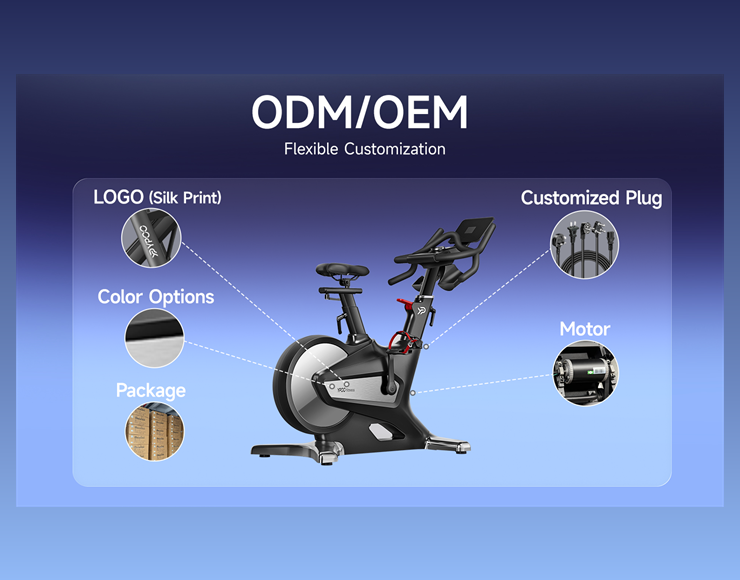
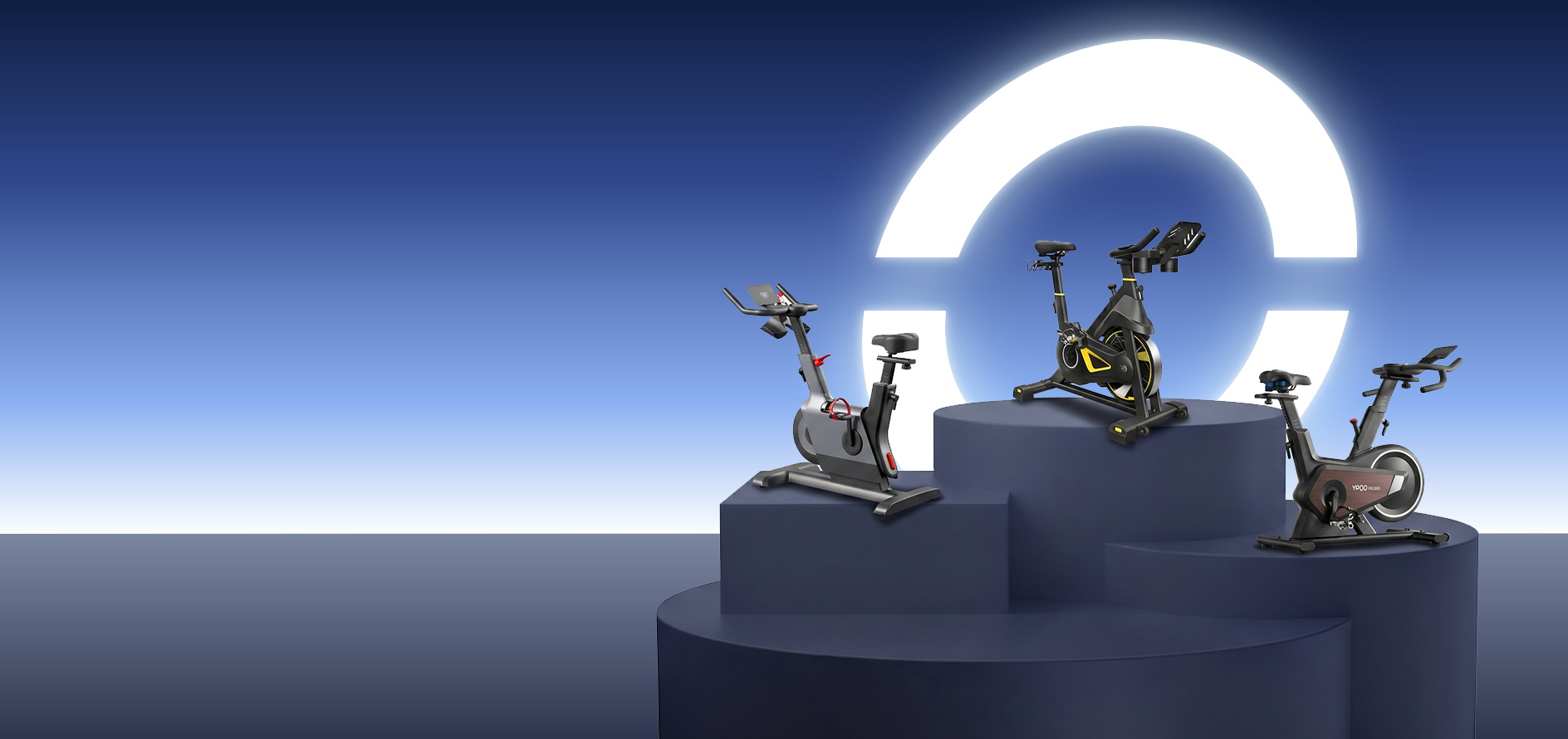
YPOO makes spin bikes and broader cardio equipment for distributors, gyms, hotels, and private-label brands. Its biggest advantage is factory-side flexibility. Buyers can discuss logos, colors, consoles, resistance systems, packaging, manuals, and order quantities in one sourcing process.
That makes YPOO a practical choice when you want more than a retail-ready brand. Review the YPOO spin bike range and ask for current model-level certificates, sample lead times, spare parts, and warranty details.
2. Life Fitness
Life Fitness is a familiar name on commercial cardio floors. Its portfolio spans upright and recumbent Lifecycle models, ICG indoor cycling, and club-style options for premium home use. It suits buyers who want one established supplier across several cardio categories. Compare console costs, subscriptions, installation, and local service before deciding.
3. Technogym
Technogym blends equipment, content, and facility software into a polished ecosystem. Its cycling range serves clubs, hotels, corporate wellness spaces, and homes. It is a strong fit when appearance and a consistent digital experience matter as much as hardware. Confirm installation, network requirements, subscriptions, and the long-term cost of connected services.
4. Matrix Fitness
Matrix is part of Johnson Health Tech. It serves commercial facilities and offers a dedicated home line, with upright, recumbent, hybrid, and indoor cycling formats. Matrix works well for premium homes that want a club-like feel and facilities that value console choice. Check whether each model and warranty are commercial or residential.
5. Precor
Precor focuses on commercial upright and recumbent bikes with easy entry, comfortable seating, simple adjustment, quiet operation, and maintenance access. It suits health clubs, hospitality, active-aging spaces, and mixed-ability groups. Higher-use and lighter-use lines help buyers match cost to traffic. Confirm the console, power needs, service coverage, and facility-use rating.
6. Keiser
Keiser is closely associated with the M Series. Its rear-flywheel layout moves key parts away from the main sweat zone, while magnetic resistance and a belt drive support quiet riding. The M3i serves studios and homes. Keiser is best for buyers who prioritize indoor cycling, rider fit, simple data, and low routine maintenance.
7. Core Health & Fitness
Core Health & Fitness brings several commercial brands together. Schwinn leads indoor cycling, while Star Trac covers upright, recumbent, and virtual bikes. This helps operators build a studio and general cardio area through one group. Confirm warranty ownership, instructor training, and local parts supply.
8. Dyaco International
Dyaco designs and manufactures equipment across home, commercial, and medical markets. Its portfolio includes Spirit, SOLE, Xterra, and indoor cycling partnerships. Spirit spans home and commercial settings, while SOLE is known in home and light-commercial cardio. Match the model to the site; a residential warranty does not automatically cover hotel, apartment, or studio use.
9. SportsArt
SportsArt offers upright and recumbent cycles, including full-commercial models. The brand stands out to facilities connecting equipment decisions with a wider sustainability story. It can suit clubs, universities, hospitality, and wellness projects. Compare consoles, power needs, use classifications, and service in your country.
10. TRUE Fitness
TRUE Fitness offers commercial upright, recumbent, spin, and air-bike options, plus club-quality home bikes. Its range emphasizes compact footprints, adjustable ergonomics, and console choice. TRUE suits facilities that need reliable cardio without losing too much floor space. Confirm that the model and warranty cover the planned environment.
How to Choose an Exercise Bike Manufacturer
Match the Bike Grade to Daily Use
Start with traffic. A bike used twice a week at home has an easier life than a studio bike adjusted by 30 riders a day. Ask for the intended environment in writing: residential, light-commercial, or full-commercial. Then make sure the warranty says the same thing.
Compare the Right Bike Type
Upright bikes work well for familiar cardio. Recumbent bikes add back support and easier access. Indoor cycling bikes suit classes and higher-cadence training. Compare like with like. A heavy flywheel or large screen alone does not make one bike better.
Check Parts, Service, and Software
Ask how quickly you can obtain pedals, belts, bearings, adjustment knobs, seats, consoles, and resistance parts. For connected bikes, check subscription terms, software updates, Wi-Fi needs, and what still works offline. These details often matter more after year two than they do on delivery day.
Verify Before a Bulk Order
Commercial buyers and private-label brands should test a sample. Check stability, noise, adjustment range, resistance feel, console accuracy, cleaning access, and packaging. Verify that certificates match the exact model and legal manufacturer. The exercise bike manufacturer selection guide has a deeper supplier checklist.
Final Takeaway
The right exercise bike manufacturer should fit your users and your ownership plan. Shortlist by environment first. Then compare ride feel, durability, adjustment, service, and real long-term cost.
If you are building a private-label range or sourcing bikes for a commercial project, YPOO can help with model selection, customization, samples, packaging, and spare-part planning. Contact YPOO with your market, expected usage, quantity, and must-have specifications.
FAQ
Which exercise bike manufacturer is best for commercial gyms?
Life Fitness, Technogym, Matrix, Precor, Keiser, Core Health & Fitness, SportsArt, and TRUE all have strong commercial options. YPOO is especially relevant for factory-direct and private-label projects. The best choice depends on bike type, traffic, budget, and local service.
Which manufacturers make bikes for both commercial and home gyms?
Life Fitness, Technogym, Matrix, Keiser, Dyaco brands, and TRUE serve both settings through different products or lines. YPOO also supplies models for different buyer programs. Check the exact duty rating instead of relying on the brand name alone.
Is an OEM exercise bike manufacturer better than a retail brand?
It depends on your goal. An OEM factory is better for private labels, customization, and distributor programs. A retail brand is easier for a home user who wants a finished product, local delivery, and consumer support.