
Choosing a treadmill supplier can look simple at first. You ask for a catalog, compare a few prices, and order the model with the best specifications. In practice, distributors need much more than a good-looking machine.
You need a product range that fits your market, plus stable production, sensible cartons, spare parts, clear documents, and responsive support. A low price will not help if your dealers cannot get a controller later.
This guide compares seven treadmill factory options that distributors may consider in 2026. It is not an absolute league table. Each company serves a different type of buyer. I suggest using the list as a starting point, then verifying the exact model, factory role, commercial terms, and support plan yourself.
What Distributors Should Expect from a Treadmill Factory in 2026
A distributor is not buying one treadmill for personal use. You are building a repeatable product program. That changes the questions you should ask.
Start with product coverage. Can the factory supply an entry-level walking pad, a folding home treadmill, an incline model, and a stronger semi-commercial option? A clear product ladder makes it easier to serve different price bands without confusing your dealers.
Then look at the business behind the product. Ask about mixed containers, MOQ, private-label options, regional availability, spare parts, warranty claims, packaging, and loading quantities. Confirm that every document matches the model you will import.
Related article: How to Become a Treadmill Distributor?
Top Treadmill Factories for Distributors: Quick Comparison
| Treadmill factory | Best fit for distributors | What to verify |
|---|---|---|
| YPOO | Home, incline, walking-pad, and semi-commercial product programs | Model mix, MOQ, branding, documents, spare-parts package |
| Shuhua Sports | Established branded and OEM fitness ranges | Territory terms, OEM flexibility, export model availability |
| Impulse Fitness | Commercial clubs and full-facility projects | Local support, cardio range, distributor agreement |
| WNQ Fitness | Home and commercial cardio assortments | Market positioning, current models, parts coverage |
| MBH Fitness | Commercial gym packages and connected equipment | Treadmill depth, lead time, service training |
| DHZ Fitness | Commercial gym distributors needing broad equipment packages | Cardio-to-strength mix, territory, stocking requirements |
| MYDO Sports | OEM home and commercial treadmill projects | Customization scope, sample process, certificates |
7 Treadmill Factories for Distributors
1. YPOO
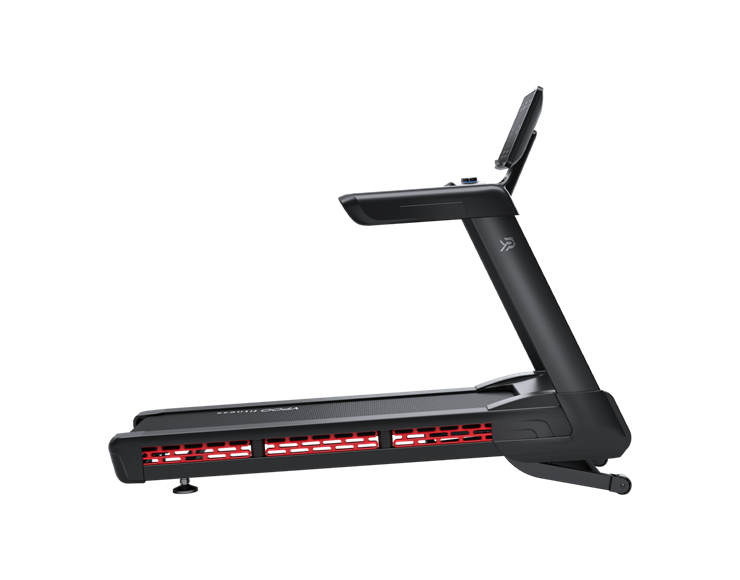
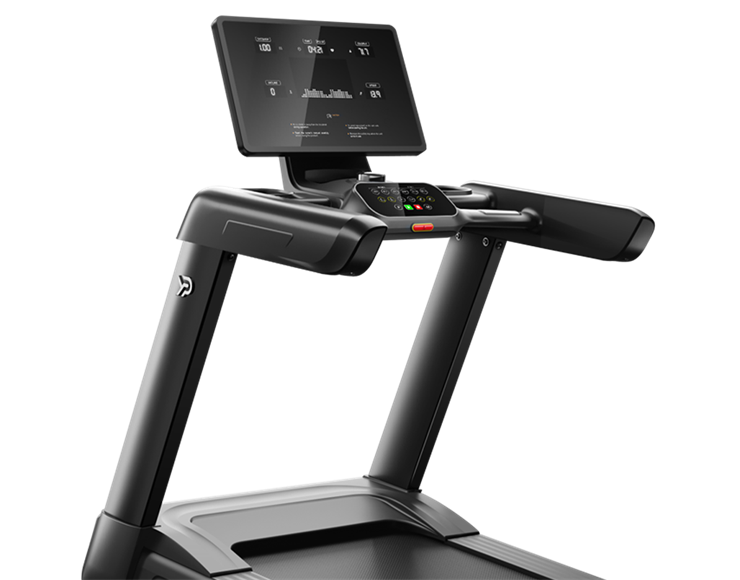
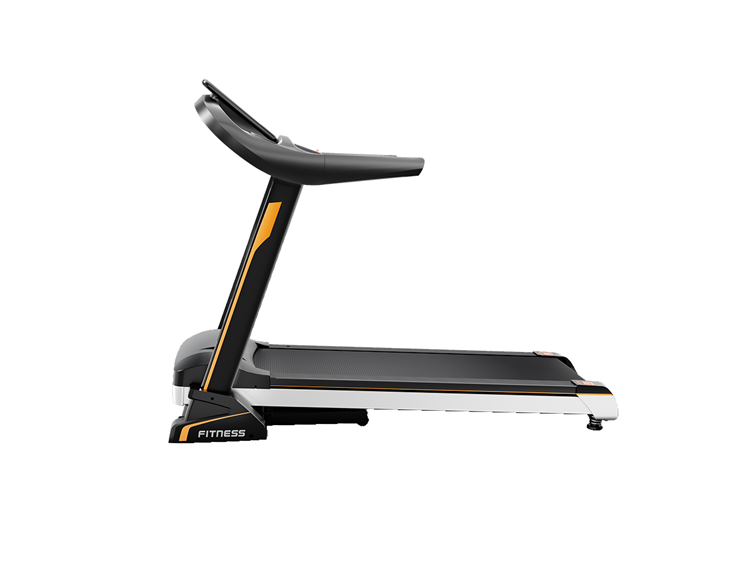
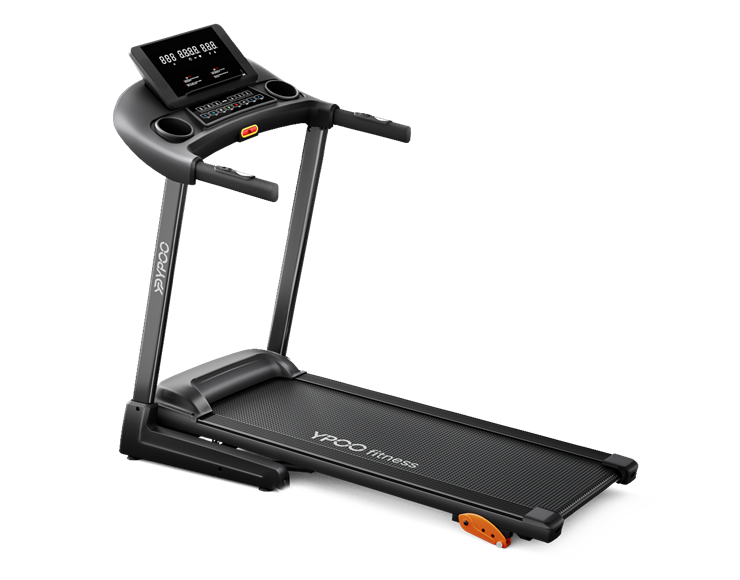
YPOO’s treadmill range covers walking-running pads, home-use treadmills, incline models, and semi-commercial machines. That range can help a distributor build several price levels with one manufacturing partner instead of sourcing every category from a different supplier.
You may begin with a compact online model, add a folding treadmill for dealers, and introduce a wider-belt incline model for premium customers. A hotel channel may need a stronger platform. We can discuss these as one product plan.
YPOO supports OEM and ODM work such as logos, colors, consoles, manuals, cartons, and selected structural changes. The factory makes key components including motors, controllers, rollers, and plastic parts in-house. This can make engineering and replacement-part planning more direct.
I still recommend a model-by-model review. Ask us for specifications, packing dimensions, loading quantity, MOQ, sample timing, documents, and a spare-parts kit. Test the sample as your customer would use it.
2. Shuhua Sports
Shuhua’s official OEM page lists treadmills among its contract-manufactured products and describes sales through retail and branded channels. Its wider business also spans home, commercial, public fitness, and training solutions.
This may suit distributors seeking an established manufacturer with broad category experience. Ask whether target models are available for export, private label, or branded distribution. Territory, volume, marketing, and service terms can differ.
3. Impulse Fitness
Impulse Fitness presents a broad commercial business, overseas sales, OEM production, and distributor-led sales networks. Its product offering includes commercial cardio and strength equipment, so it can be relevant when your customers want complete gym projects rather than one home treadmill line.
Focus on available cardio series, showroom support, technical training, installation, warranty labor, and regional channel structure. A strong brand helps only if the agreement leaves room for a healthy local business.
4. WNQ Fitness
WNQ’s current product catalog shows both home-use and commercial treadmills alongside ellipticals, bikes, and strength products. That mix may work for distributors serving retail customers and smaller fitness facilities.
Define the line clearly. Home and commercial treadmills need different warranties, parts stocks, and dealer training. Confirm which products are current in your market and which sales route applies.
5. MBH Fitness
MBH Fitness focuses on commercial fitness equipment and presents treadmills together with strength, bikes, and connected products. It is worth reviewing if your company equips clubs, hotels, studios, or larger fitness spaces.
If most revenue comes from strength equipment, a smaller cardio line may be enough. If treadmills are central, compare platforms, consoles, parts, and technical support carefully. Get carton sizes and installation requirements before quoting projects.
6. DHZ Fitness
DHZ Fitness offers commercial strength equipment plus cardio categories that include treadmills, ellipticals, bikes, and rowers. Its breadth can appeal to distributors who want one visual design language across a large gym package.
Compare treadmill depth with the strength range. Confirm territory status, opening-order expectations, display requirements, parts stocking, and local service obligations. A broad catalog matters only when key products receive dependable support.
7. MYDO Sports
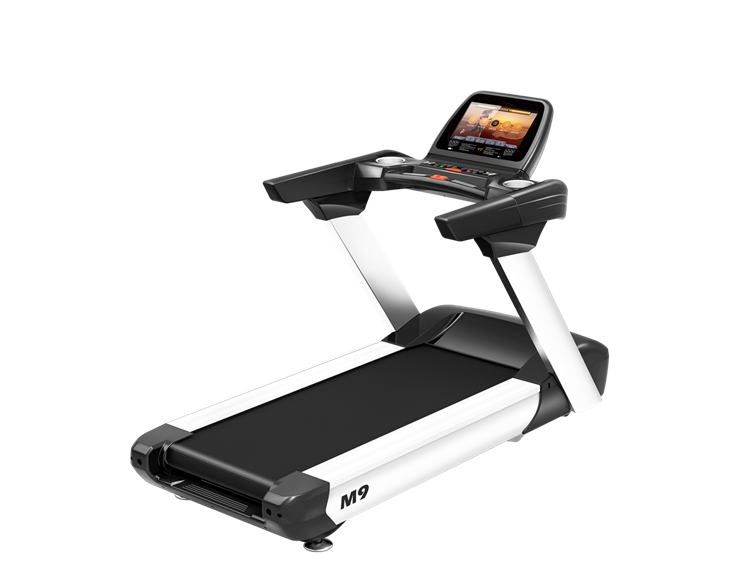
MYDO Sports publicly presents home and commercial treadmills and states that it provides OEM and ODM services. This makes it a possible fit for distributors that prefer a focused cardio supplier and want their own branding.
Ask which models share parts, which changes are standard, and which require new tooling or testing. Review sample revisions carefully. You should also match every certificate, rating label, manual, plug, and carton to the final production configuration.
How to Choose the Right Treadmill Factory for Your Market
Do not choose from the company name alone. Start with three customer groups you can actually reach. Then create a simple range for them. One compact model, one mainstream folding model, and one premium incline or semi-commercial machine is often easier to support than ten unrelated treadmills.
Send the same request sheet to each shortlisted factory. Include the destination country, sales channel, intended use, target price band, quantity, voltage, plug, belt size, speed, incline, console, branding, packaging, and required documents.
Compare landed cost, not only FOB price. Add freight, duty, inspection, warehousing, delivery damage, spare parts, warranty labor, and slow-moving inventory.
Finally, approve a golden sample and a written bill of materials before mass production. Agree on inspection points and a change-control process. If a motor, controller, console, belt, or carton changes, you should know before the order ships.

Build a Treadmill Range with a Reliable Factory
A good distributor does more than move boxes. You translate the factory’s product into a dependable local offer. That means choosing a focused range, training dealers, stocking the right parts, and protecting customers after the sale.
The seven factories above offer different strengths. Use the shortlist to start conversations, then let samples, documents, terms, and service response guide the final decision. If you want to compare YPOO models for your market, contact our team with your country, channel, target price levels, quantity, and preferred treadmill types.
FAQs
What is the best treadmill factory for a distributor?
The best factory is the one that fits your market, product category, order volume, documentation needs, and service ability. Compare real samples and commercial terms before choosing.
Can distributors order several treadmill models in one container?
Many factories allow mixed-model orders, but each model or custom component may have its own MOQ. Confirm loading quantities, carton sizes, and model minimums in writing.
Should a distributor choose branded products or private-label treadmills?
Branded distribution can provide recognition and established materials. Private label gives you more control over positioning and presentation. The better route depends on territory terms, budget, differentiation, and support capacity.
What spare parts should a treadmill distributor stock?
A starter kit may include controllers, displays, safety keys, belts, decks, incline components, sensors, switches, cables, and model-specific hardware. Build the list from the selected models and the factory’s service data.