
A manual treadmill and a motorized treadmill may sit in the same cardio section. Once someone steps on them, though, they feel like two different products.
One moves only when the user moves. The other uses a motor to hold a selected pace. That difference affects training style, electricity, maintenance, floor planning, and the customers most likely to buy.
So, in the manual vs. motorized treadmill debate, which one is better? There is no universal winner. For B2B buyers, the better choice is the one that fits the user, facility, sales channel, and service plan. Let’s make that choice easier.

What Is the Difference Between a Manual and Motorized Treadmill?
- A manual treadmill has no drive motor. The user moves the belt by walking or running. Many performance-focused manual treadmills use a curved slat belt. Simpler flat-belt manual treadmills also exist, so “manual” does not describe just one design.
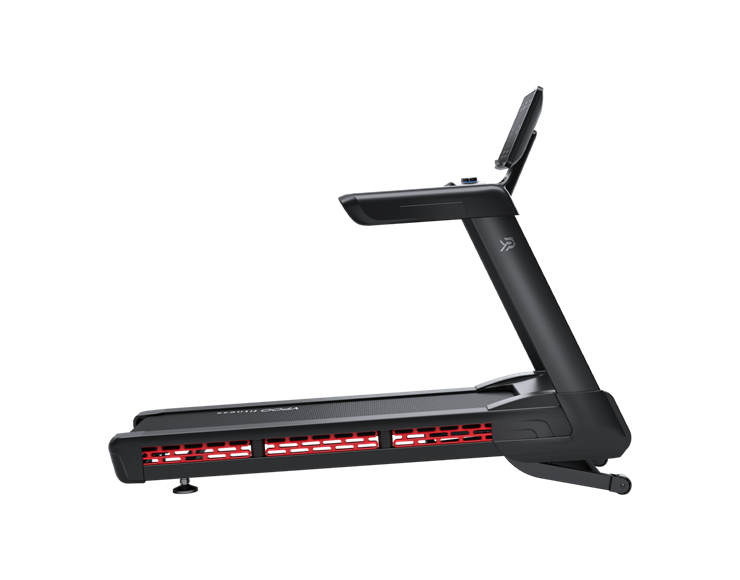
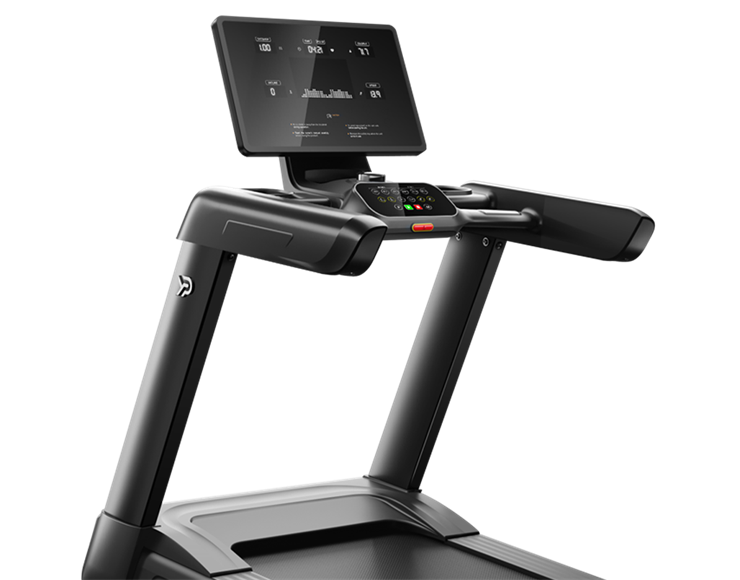
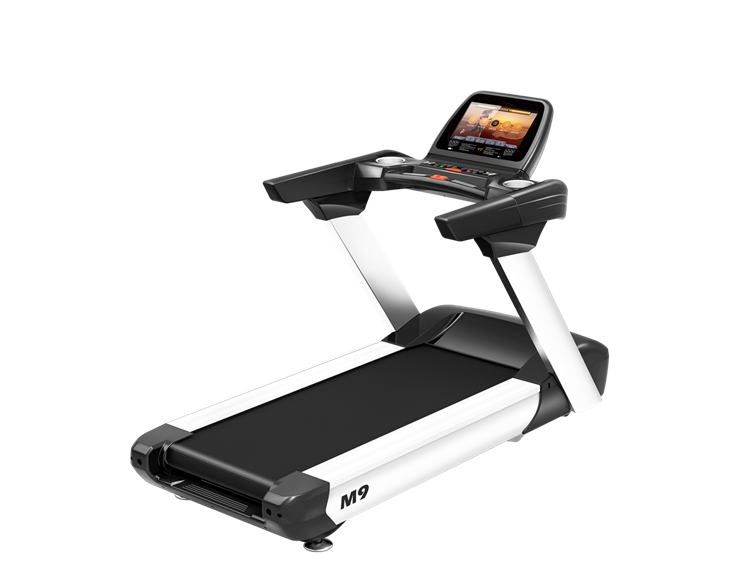
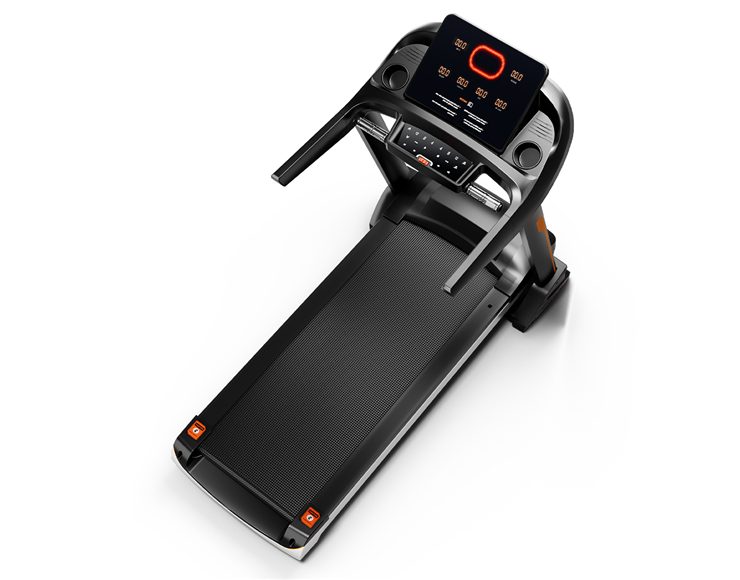
- A motorized treadmill uses an electric motor and controller to move the belt. The user selects a speed, and the machine maintains it within its operating design. Depending on the model, it may also provide automatic incline, programs, app connections, large displays, or entertainment.
The key difference is control. On a manual model, the user’s effort controls belt speed. On a motorized model, the machine sets the pace. That single distinction shapes most of the pros and cons below.
Manual vs Motorized Treadmill: Quick Comparison
| Buying factor | Manual treadmill | Motorized treadmill |
|---|---|---|
| Belt drive | Powered by the user | Powered by an electric motor |
| Pace control | Changes with user effort | Selected through controls |
| Electricity | Usually not required for belt movement | Required |
| Typical training fit | HIIT, sprinting, athletic conditioning | Walking, steady running, programmed workouts |
| Incline | Fixed curve or model-specific resistance | Often adjustable; may be automatic |
| Electronics | Usually simpler | Can include apps, screens, and programs |
| Service focus | Belt, bearings, resistance, frame | Motor, controller, incline system, console, belt |
This table describes common differences, not every model. Always compare the exact configuration and intended use in the supplier’s documents.
Advantages of Manual Treadmills
- Self-Paced Speed Changes Suit Interval Training: A user can accelerate or slow down by changing effort and position. There is no need to wait for a motor to reach the next speed. That makes curved manual treadmills attractive for sprints, interval stations, athletic conditioning, and small-group circuits.
- No Drive Motor Means No Power for Belt Movement: A standard manual treadmill does not need mains electricity to drive the belt. That can simplify placement and remove belt-drive energy use. Some consoles or optional screens may still need batteries or power, so confirm the exact model. No motor also removes one major service component. It does not make the machine maintenance-free. Slats, bearings, resistance mechanisms, frames, and displays still need inspection and support.
- A Distinct Training Experience Can Differentiate a Facility: A curved manual treadmill looks and feels different from a conventional cardio machine. For performance studios, functional training facilities, and athletic programs, that difference can support a clear training concept. It is more specialized, too. Users may need orientation, and the self-powered feel may not suit people who want relaxed walking or a fixed endurance pace.
Advantages of Motorized Treadmills
- Controlled Speed Works for More Training Styles: Motorized treadmills are familiar. Users can select a pace and let the machine hold it. That supports steady walking, endurance sessions, warm-ups, structured intervals, and general cardio. The wider use range makes motorized products easier to place across household retail, hotels, apartment gyms, corporate fitness rooms, and conventional health clubs. The correct duty level still matters. A home treadmill should not be installed in a high-use facility unless its intended use and warranty allow it.
- Automatic Incline and Programs Add Training Variety: Motorized models can offer powered incline, preset programs, quick keys, heart-rate connections, and smart displays. These features help brands create clear price tiers. They can also add electronics and support questions. Check whether incline is stated in levels or percentage grade. Confirm the motor rating basis, controller, belt size, and exact console.
- A Broad Product Range Supports Clear Market Segmentation: Motorized treadmills can cover walking pads, folding home models, incline trainers, semi-commercial machines, and full commercial equipment. That gives distributors more room to build a product ladder. YPOO’s treadmill range, for example, includes compact home options and larger semi-commercial models. Buyers should match each model to the sales channel and get the configuration in writing. Review the YPOO treadmill range for current examples.
Which Treadmill Is Better for Different B2B Buyers?
Commercial Gyms and Performance Studios
Consider manual curved treadmills for sprint work, HIIT, and athletic stations. Choose motorized treadmills for steady cardio, incline programs, and broad member accessibility. Many facilities benefit from both rather than choosing only one type.
Hotels, Apartments, and Corporate Fitness Rooms
Motorized treadmills are usually more familiar to general users. Prioritize simple controls, suitable duty rating, clear safety features, and local service. A manual model may work as an additional training option where users receive guidance.
Distributors and Fitness Retailers
Motorized products usually offer more price points and household use cases. Manual curved models can create a specialist category for performance customers. Stock depth should follow real channel demand, not novelty.
Private-Label Brands
Start with the target user and desired price band. Motorized platforms may offer more console, incline, color, and branding choices. A manual product may create sharper differentiation but requires careful evaluation of mechanics and positioning. For either type, approve a representative sample before bulk production.
How to Compare Manual and Motorized Treadmill Suppliers
Give each supplier the same use case and request model-specific information. For manual machines, ask about curvature, belt or slat construction, bearings, resistance, console power, and spare parts. For motorized machines, add motor type, CHP or peak rating, controller, incline system, voltage, and electronics.
For both types, verify running area, user limit, machine weight, packing, intended use, compliance documents, warranty, and local labor responsibility. Test samples under realistic conditions.

Manual vs. Motorized Treadmill: How to Choose
Choose manual when responsive, user-powered training is central to the offer. Choose motorized when controlled pace, incline, programs, and broader accessibility matter more. For many B2B buyers, the strongest answer is a carefully planned mix.
Contact YPOO with your target market, usage, quantity, and feature requirements. Our team can help you compare suitable motorized treadmill models and wholesale or private-label options.
FAQs
Is a manual treadmill better than a motorized treadmill?
A manual treadmill can be better for self-paced intervals and athletic conditioning. A motorized treadmill is often better for controlled walking, steady running, incline programs, and broad user familiarity. The intended use decides.
Do manual treadmills need electricity?
Manual treadmills do not use an electric motor to drive the belt. A console or optional display may still require batteries or electricity. Check the exact model and configuration.
Which Treadmill Type Is Better for Business Buyers?
It depends on the target market and intended use. Manual treadmills can suit performance-focused facilities, HIIT programs, and athletic training, while motorized treadmills are more suitable for general cardio, controlled-pace workouts, and broader customer groups. Buyers should also consider purchase price, expected usage, maintenance, warranty, service support, and available features before choosing a model.