

Choosing an exercise bike sounds simple until you start comparing models. One bike is marked commercial. Another is made for home use. They may look similar, yet they are built for very different workloads.
A commercial exercise bike is usually the better fit for shared spaces and frequent use. A home exercise bike is designed around personal workouts, compact spaces, and a smaller budget. The right choice depends on who will ride, how often they will train, and where the bike will be installed.
This guide keeps the comparison practical. We will define both types, explain five key differences, and help you match the bike to your business.
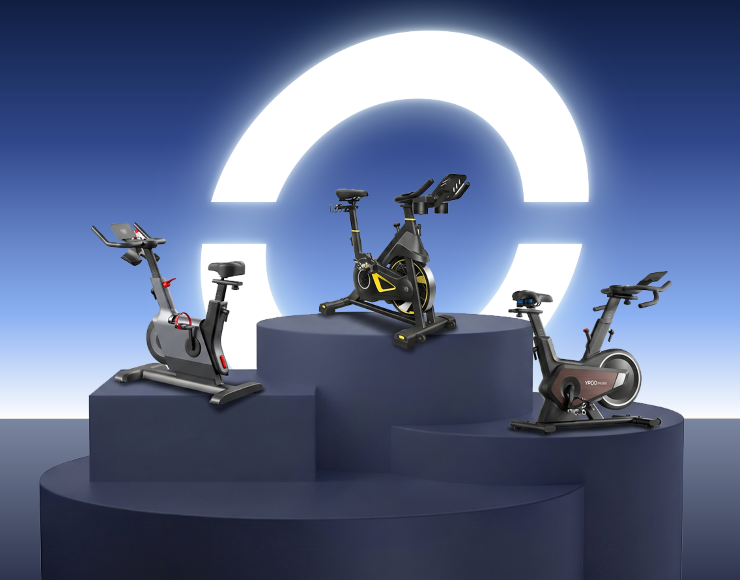
What Is a Commercial Exercise Bike?
A commercial exercise bike is designed for repeated use by many riders. You will usually find it in health clubs, cycling studios, hotels, apartment gyms, schools, corporate fitness rooms, and rehabilitation facilities.
The frame is often heavier. Adjustment parts are made for frequent changes. Pedals, bearings, drive components, and contact points are selected with higher use in mind. The bike may also provide broader seat and handlebar adjustment because it needs to fit people with different heights and riding styles.
Commercial does not simply mean expensive. It describes the intended setting and workload. ISO 20957-1:2024 separates domestic equipment from equipment used in supervised organizations. Manufacturers may also divide their products into light-commercial and full-commercial categories. Always check the intended-use statement for the exact model.
What Is a Home Exercise Bike?
A home exercise bike is designed for one person or one household. It usually focuses on a lower purchase price, quiet operation, easier movement, and features that make personal workouts more enjoyable.
Home models can still feel stable and smooth. Many offer magnetic resistance, app support, guided workouts, Bluetooth, and large displays. The main difference is the expected workload. A residential bike may be used for several planned sessions each week. It is not normally built for a stream of unfamiliar riders from morning to night.
A lighter frame can be useful at home. Transport wheels and a smaller footprint make the bike easier to place in a bedroom or living area. Some models fold for storage. These benefits matter less on a permanent gym floor, where stability and quick adjustment often come first.
Commercial vs. Home: 5 Key Differences
The label on the product page is only a starting point. Compare the parts that affect daily use, service, and long-term cost.
| Key difference | Commercial exercise bike | Home exercise bike |
|---|---|---|
| Workload | Frequent sessions by many riders | Planned use by one household |
| User fit | Broad range with quick adjustment | Chosen around one or two riders |
| Console | Simple shared access and durable controls | Personal profiles and entertainment features |
| Service | Fast parts access and planned maintenance | Occasional household support |
| Cost | Higher price spread across more sessions | Lower entry cost for personal use |
1. Durability and Daily Workload
Start with actual riding hours. One person training for 45 minutes five days a week creates a different load from twenty gym members sharing one bike every day.
Commercial models often use heavier frames, larger bearings, stronger crank systems, and tougher adjustment hardware. High-contact areas must also handle sweat and regular cleaning. The added material increases weight and price, but it helps the bike stay stable through repeated sessions.
2. Adjustment Range and User Fit
A home buyer can select a bike around their own body. A facility must prepare for short, tall, new, and experienced riders. Clear adjustment marks and quick locking controls make changeovers easier.
Check saddle height, fore-aft travel, handlebar reach, pedal straps, step-over height, and maximum user weight. Test the smallest and tallest expected riders. Maximum weight capacity does not tell you whether the riding position will feel comfortable.
Bike type matters too. Upright, recumbent, indoor cycle, and upper-body bikes support different users. Our hand bike vs. spin bike comparison explains how posture and movement change the workout.
3. Consoles, Programs, and Connectivity
Home consoles often focus on the personal experience. Riders may want workout history, app syncing, entertainment, instructor content, or individual profiles. Check whether important features require a subscription.
A commercial console has a different job. It should be easy for a first-time visitor to start, readable under gym lighting, and simple to reset between users. Facility buyers may also want usage data, remote updates, or asset management.
4. Maintenance, Parts, and Warranty
Shared equipment needs regular inspection. Pedals loosen. Belts wear. Seats and adjustment knobs receive constant handling. A commercial bike should make common service tasks easy and give buyers a clear path to spare parts.
Read the warranty by use location, not only by years. Some brands separate residential, light-commercial, and full-commercial coverage. Get approval for your exact setting in writing.
5. Purchase Price and Total Ownership Cost
A home exercise bike usually costs less at the start. That makes sense when one household controls the schedule and treats the equipment carefully. Paying for a commercial rating may add little value if the bike only sees a few sessions each week.
A commercial exercise bike costs more because it is built around heavier use, broader fit, service access, and commercial support. For a busy business, the higher price can be spread across thousands of member workouts.
How to Choose Based on Your Business
Commercial Gyms and Cycling Studios
Choose full-commercial equipment for paid gyms, busy studios, clubs, and schools with frequent riders. Prioritize frame stability, quick adjustment, serviceable wear parts, sweat protection, and a warranty that clearly covers the location.
Studios should also test resistance changes, drive feel, pedal setup, and rider position under hard efforts. Our professional spin bike buying guide covers these checks in more detail.
Hotels, Apartments, and Corporate Gyms
These spaces often sit between home and full-commercial use. A light-commercial model may work when access is controlled and daily traffic is moderate. Choose an intuitive console because many guests will use the bike without instruction.
Estimate peak use, not only average use. An apartment gym may become busy before work and after dinner. Confirm that the manufacturer includes hotels, residential facilities, or workplaces in its warranty terms.
Personal Training Studios and Home Gyms
A trainer with several clients each day may benefit from a light-commercial or full-commercial bike. A household with one or two riders can usually choose a residential model based on fit, noise, storage, and preferred workout features.
Start Your Commercial Fitness Project with YPOO
The best exercise bike is not the one with the longest feature list. It is the one that fits your riders, workload, floor plan, service plan, and budget.
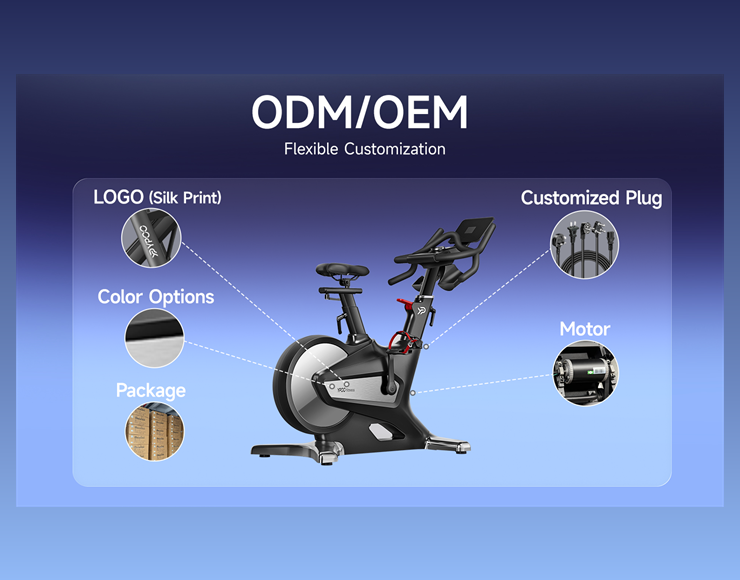
YPOO works with distributors, gym operators, hospitality projects, and private-label buyers. We can help compare bike types, duty levels, adjustment ranges, consoles, branding options, packaging, spare parts, and order plans.
Contact YPOO with your facility type, expected daily use, target market, and quantity. That information makes it much easier to recommend the right configuration.
FAQ
Can I Use a Home Exercise Bike in a Commercial Gym?
Only if the manufacturer approves that setting. Residential equipment may lose warranty coverage in a paid or shared facility, and frequent use can lead to faster wear and more downtime.
Is a Commercial Exercise Bike Better for Home Use?
It can be for frequent training or several household riders. You gain stability, adjustment, and serviceable parts, but also get more weight, a larger footprint, and a higher price.
What Does Light Commercial Exercise Bike Mean?
It usually means equipment designed for controlled shared spaces with lower traffic than a busy health club. Definitions vary, so check the approved locations, daily-use guidance, and warranty for each model.
How Long Does a Commercial Exercise Bike Last?
Service life depends on daily use, rider behavior, cleaning, maintenance, build quality, and parts support. Ask the supplier for a maintenance schedule and test spare-parts availability before ordering.