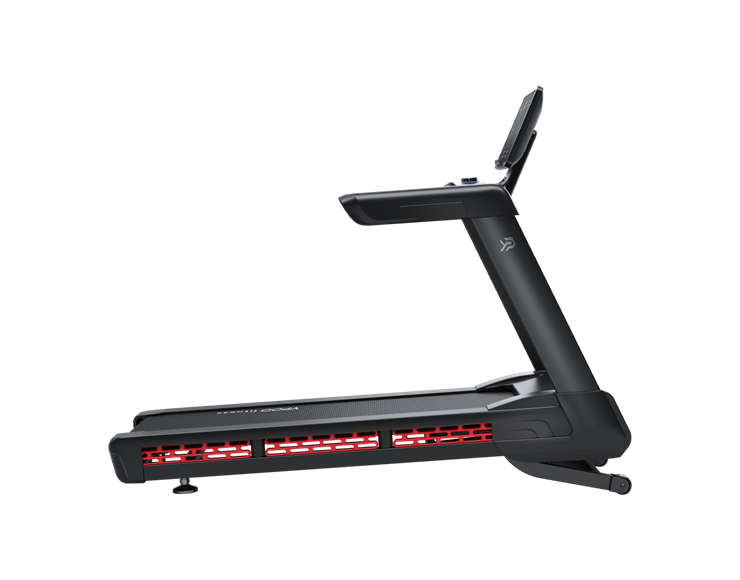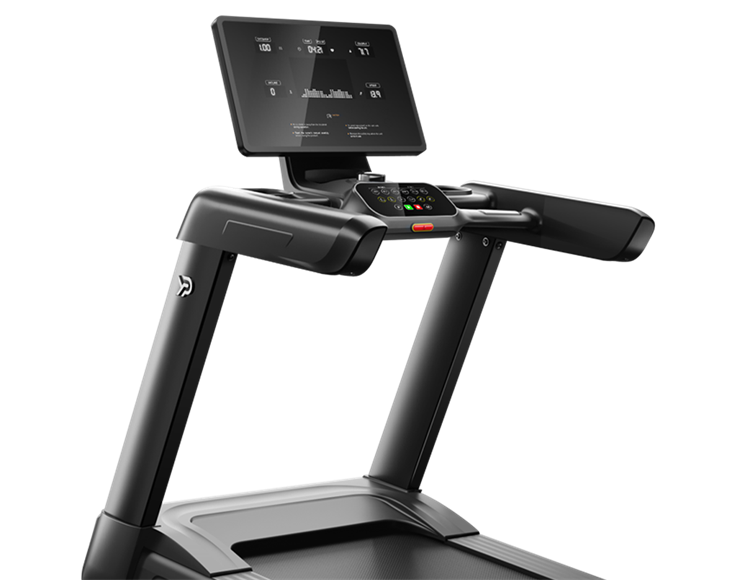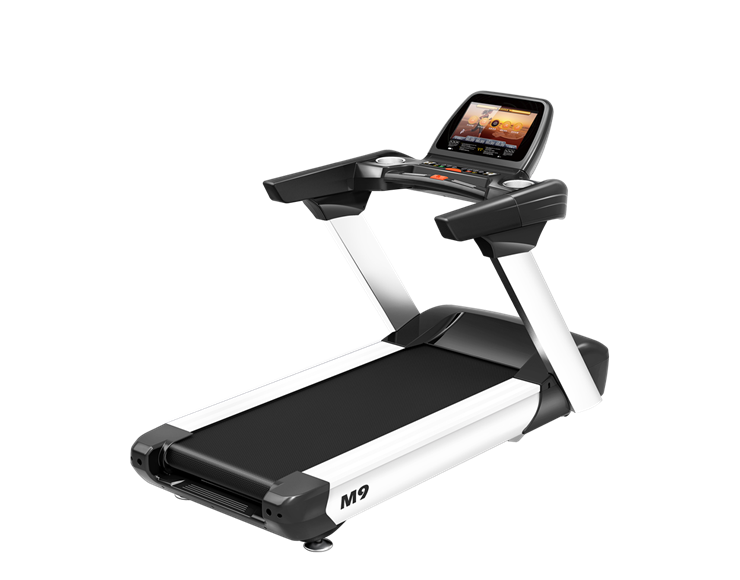


A treadmill can already walk, jog, and run. So why pay extra for incline?
For a fitness business, the answer is simple: one machine can support more workout styles without taking up more floor space. A member can walk, run, or add climbs to an interval workout. It is also a feature that retail customers understand as soon as they try it.
Still, every model with an incline button is not a smart buy. The range, lift system, controls, frame, and intended use all matter. This guide explains the business value and what to check before ordering.
What Is an Incline Treadmill?
An incline treadmill raises the front of the running deck to create an uphill angle. Most business-focused models use a powered lift motor, so the user can change the grade from the console during a workout.
Some entry-level units use manual adjustment. The user steps off and changes the deck position by hand. That may work at home, but it is less convenient in a shared facility.
Incline “levels” are not always the same as incline percentage. Ask for the measured minimum and maximum grade, plus what the console actually displays.
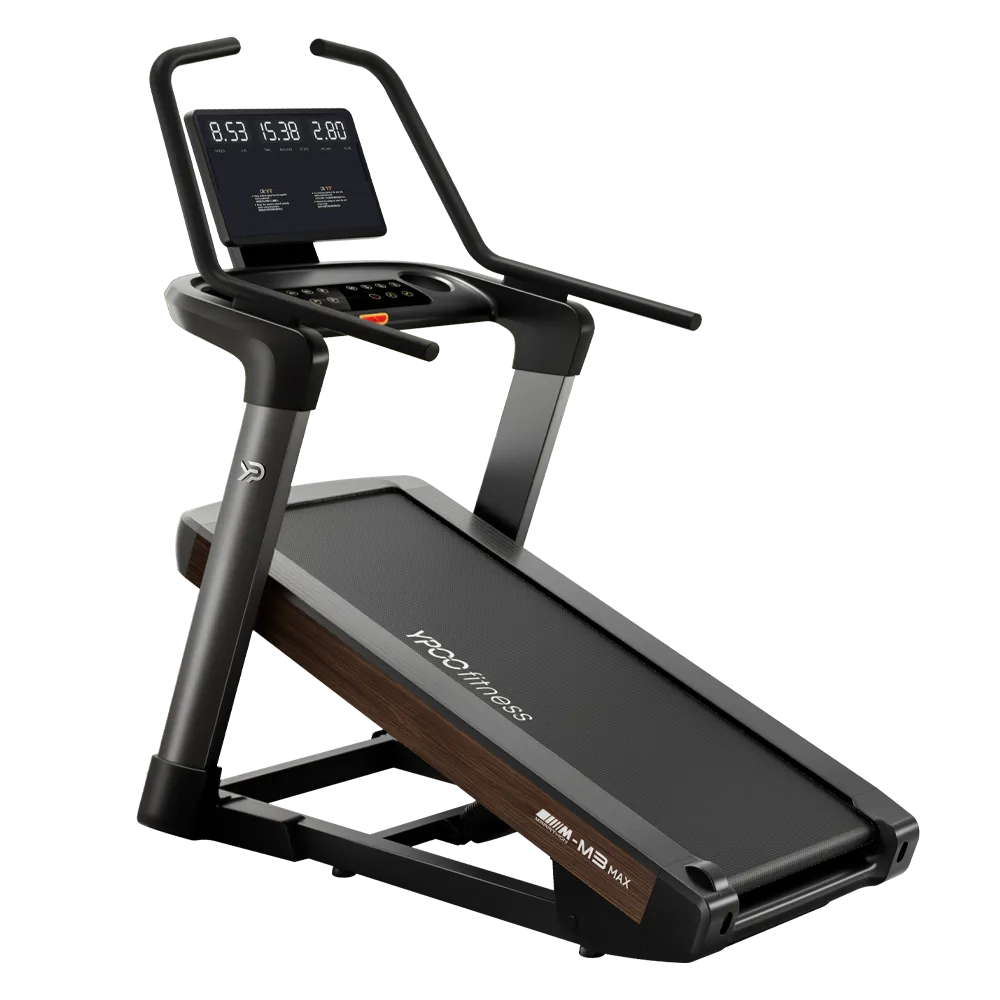
7 Business Benefits of an Incline Treadmill
- More Workout Variety From One Machine: Incline gives users another variable to change. They can keep the same speed and make the session harder, or slow down and continue on an uphill grade. Members can use steady climbs, rolling hills, or short intervals. Trainers can build varied sessions without moving clients between machines.
- A Stronger Walking Option Without High Speed: Not every user wants to run. Raising the deck can make walking more demanding without asking the user to move at running speed. A peer-reviewed study found that high-incline walking changed muscle activation and exercise response compared with low-incline jogging. It does not make one style best for everyone. It does show that grade creates a different workout. See the published treadmill study for the methods and limits.
- Wider Appeal Across Fitness Levels: A business rarely serves one type of user. A commercial gym may have first-time members, walkers, runners, and coached clients. New users can start with a gentle grade. Experienced users can combine speed and steeper climbs. The control is easy to understand and quick to adjust.
- Better Program Variety and Member Engagement: Incline makes it easy to create hill programs, walking challenges, and coach-led intervals. Quick keys let members move between grades without repeatedly pressing one button. No program guarantees retention. Yet fresh sessions give trainers and facility managers more material to work with.
- Clearer Product Positioning for Retailers and Distributors: For a distributor or private-label brand, incline is a visible feature. Customers can feel it in a short demo and understand the range, automatic adjustment, hill programs, and quick controls. It also creates clear steps in a product line. A higher model can add a wider powered range, stronger construction, and better controls. Buyers see a real reason for the price difference.
- More Training Choice in the Same Footprint: Floor space is expensive. This is especially true in hotels, apartment gyms, and workplace fitness rooms. An incline function adds training choice without requiring a separate hill trainer or another cardio station. Choose for the room, not just the specification sheet. Check deck length, footprint, ceiling clearance, and extra height at maximum incline. Leave safe access for users and service.
- A Better Fit for Several Business Types: A well-selected model can work in a gym, studio, hotel, apartment amenity room, or company wellness area. The duty class will differ, but users still get more options from a familiar machine. For many hours of daily use, start with commercial construction and service access. In a lighter-traffic room, a semi-commercial treadmill may better balance size, cost, and durability.

Which Businesses Benefit Most From Incline Treadmills?
Commercial Gyms and Training Studios
Busy gyms need a wide range, clear controls, stable frames, and parts that are easy to service. Trainers can use one unit for warm-ups, walking, hills, and running. High-traffic sites should also follow our heavy-duty treadmill buying guide.
Hotels, Apartments, and Corporate Fitness Rooms
These spaces often serve occasional users. Look for visible quick keys, a clear emergency stop, moderate step-up height, low noise, and instructions that work without staff help.
Distributors and Private-Label Fitness Brands
Product sellers should match the system to the target customer and price. Confirm console language, logo placement, packaging, spare-parts support, and order quantities. Ask which changes are cosmetic and which require engineering work.
What to Check Before Buying an Incline Treadmill
The headline incline range is only the start. Use the table below when comparing quotations and samples.
| Check | Why it matters | What to ask |
|---|---|---|
| Actual grade | Levels can hide the true angle | What are the measured minimum and maximum percentages? |
| Lift movement | Jerky changes feel poor and may disturb balance | Can the grade change smoothly under a walking user? |
| Frame and deck stability | The load changes when the deck rises | Is there noticeable movement at maximum grade? |
| Controls | Shared facilities need simple operation | Are there direct incline keys and clear feedback? |
| Calibration | Accurate movement depends on setup and sensors | How is the lift motor calibrated after service? |
| Duty rating | Home, light-commercial, and commercial use are different | What daily use and warranty conditions are supported? |
| Service parts | The lift motor and controller need long-term support | Which parts ship with the order, and how fast are replacements available? |
Safety documentation deserves the same attention. ISO 20957-6 covers stationary training equipment, with specific safety requirements and test methods for treadmills. Ask the factory which standard and market rules the exact model has been tested against. Do not accept a certificate for a different machine. You can review the scope on the official ISO 20957-6 page.
Choose an Incline Treadmill With YPOO
The right machine should match your users, traffic, floor space, price point, and service plan. A big incline number alone cannot answer those questions.
YPOO works with commercial buyers, distributors, and fitness brands on treadmill selection and customization. Share your target market, expected daily use, console needs, certification market, and order plan. Our team can recommend a suitable configuration, arrange sample evaluation, and discuss branding or packaging options.
Contact YPOO to compare incline treadmill options for your next fitness project.
FAQ
Is an incline treadmill worth it for a gym?
Yes, when members want more walking, running, and interval choices from one cardio station. The value depends on build quality, actual grade, ease of control, and reliable service support.
What incline range is best for a commercial treadmill?
There is no single best range. Match it to your users and programs. Compare the measured percentage, smoothness of adjustment, stability at the top grade, and how clearly the console displays changes.
Does incline put more stress on the treadmill motor?
The incline system changes how the user loads the machine, while a separate lift motor usually raises the deck. Motor, controller, frame, belt, and lift assembly should all be rated and tested for the intended use.
Is automatic incline better than manual incline?
Automatic incline is usually better for gyms and shared facilities because users can change grade without stopping. Manual incline costs less and has fewer parts, but it is less convenient and does not support changing hill programs.