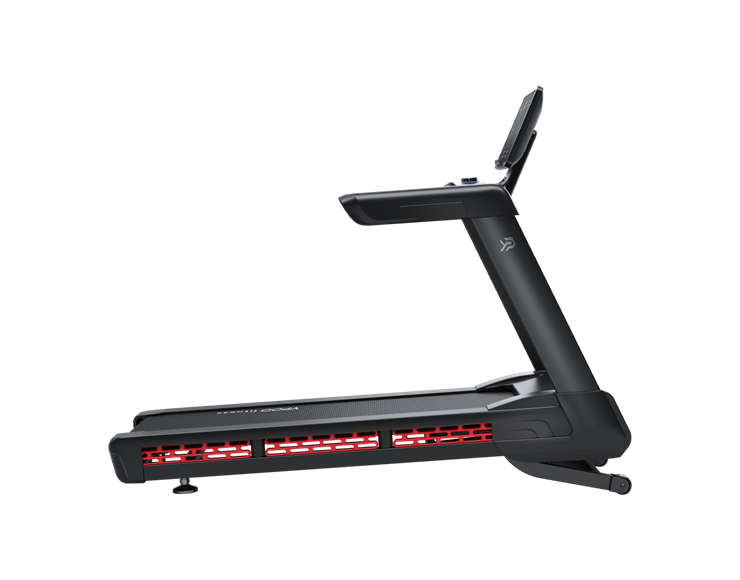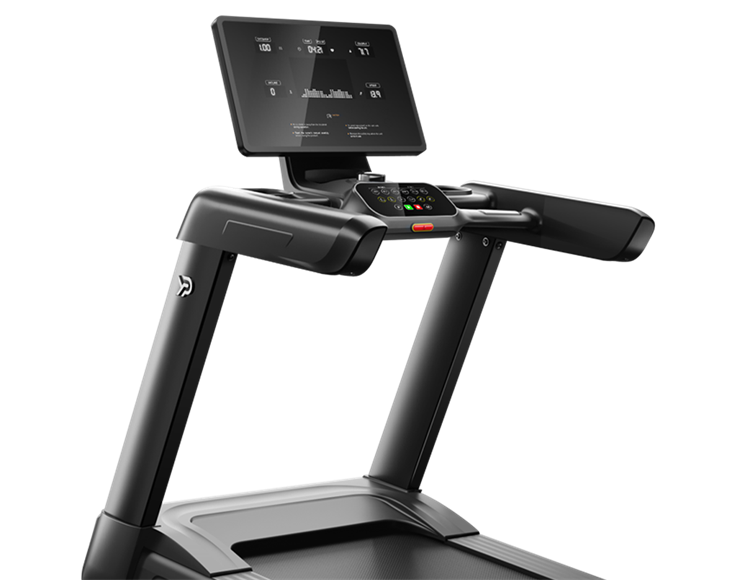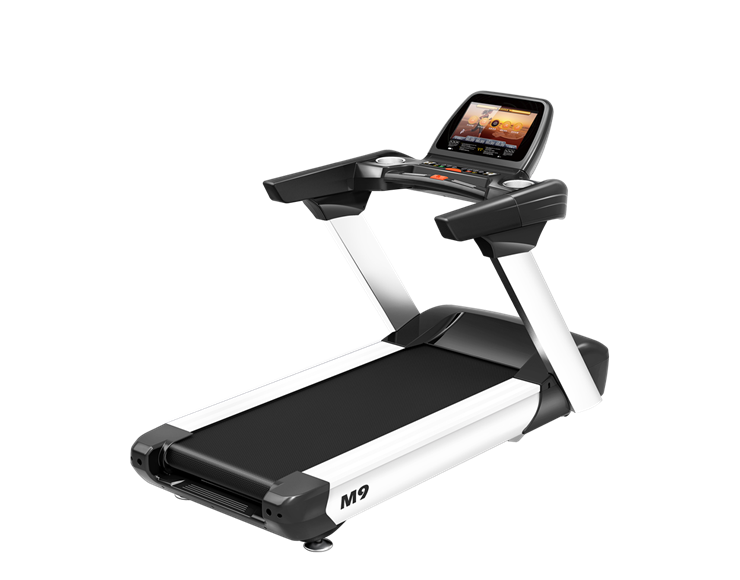


Thinking about starting your own treadmill brand? Skip the logo design for now and start with a clear plan.
First, figure out who you are selling to and how. Decide on your target cost, performance level, and safety standards. After that, you can pick a reliable factory, test a real sample, set your specs, and hold the factory to that exact quality for mass production.
Most custom treadmill projects fail for one simple reason. Buyers get excited about how the machine looks before deciding how it will actually be used. A walking pad for Amazon, a folding home treadmill, and a heavy-duty hotel unit need completely different motors, frames, and packaging. In this guide, we will show you how to turn your initial idea into a rock-solid production plan.
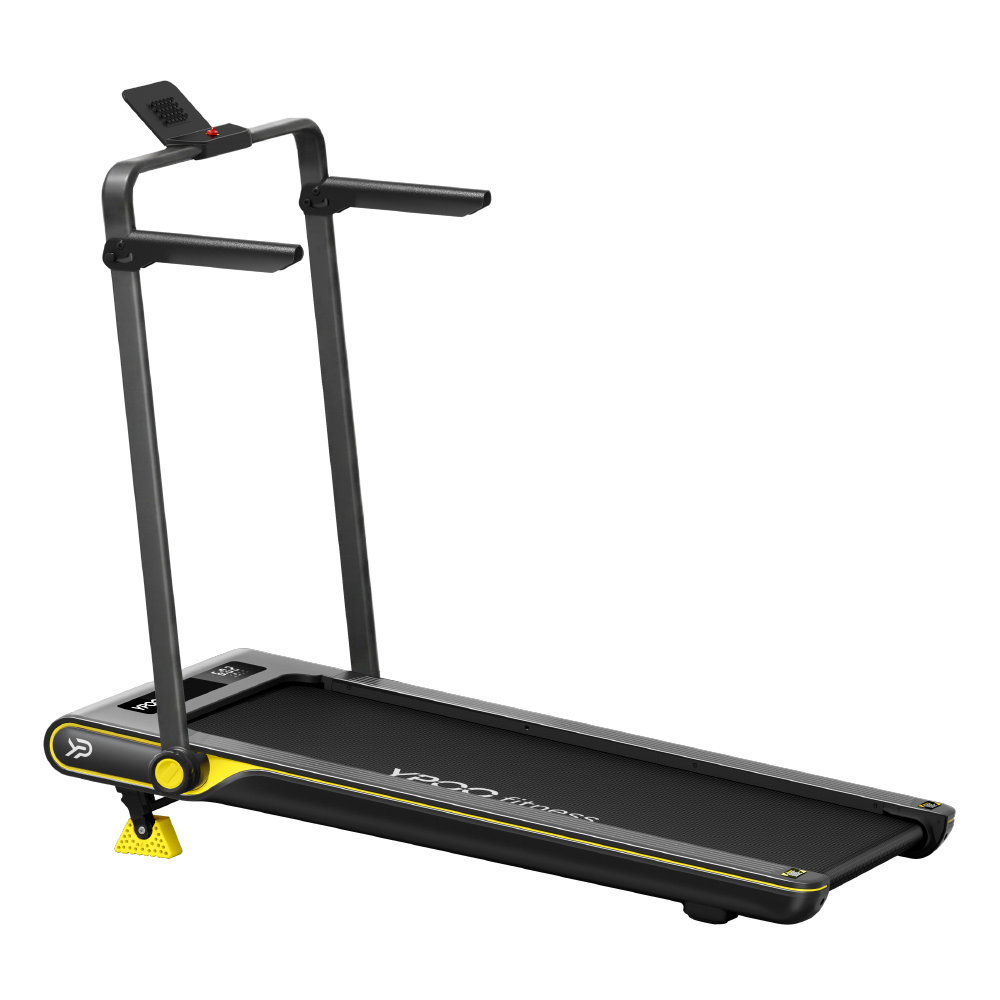
What Does Custom Treadmill Manufacturing Include?
Customization can range from applying a logo to developing a new mechanical and electronic platform. The correct level depends on launch speed, budget, order volume, and how different the product must be from competitors.
Private Label on a Proven Platform
This is the fastest route for a first launch. The factory keeps its validated frame, drive system, and control architecture while you change approved items such as the logo, color accents, console interface, manuals, carton artwork, and accessories. Tooling risk is limited, but the product is less exclusive.
Platform-Based Product Customization
A brand can combine an existing chassis with a different running deck, console, handrail, trim, program set, or connectivity option. This creates stronger differentiation, but every change needs an engineering review. A new console or wireless module can affect electrical, EMC, software, labeling, and compliance evidence.
Full ODM Product Development
A new frame, folding mechanism, industrial design, or drive architecture offers the most control and the highest development cost. It may require industrial design work, prototypes, new molds, longer testing, and a clear agreement about tooling and design ownership. If you are still deciding between routes, review treadmill OEM versus ODM before requesting quotations.
7 Steps to Launch Your Own Custom Treadmill Brand
Step 1: Define Your Treadmill Brand Position
A useful product brief begins with a customer and a channel. “A high-quality treadmill” is too vague for an engineer to quote. Define whether the buyer is a home user, apartment gym, hotel, fitness studio, distributor, or online retailer. Add the expected daily use, user weight range, available floor space, preferred price band, warranty promise, and target countries.
Convert the sales promise into product requirements. If your promise is quiet apartment training, noise, folded size, mobility, and low-speed stability deserve priority. If your promise is dependable hotel cardio, continuous use, running-area comfort, service access, and spare-parts availability matter more. Write three non-negotiable benefits and the evidence needed to support each one. This keeps sales language connected to measurable product decisions.
Step 2: Build a Factory-Ready Product Brief
Give every shortlisted manufacturer the same brief so quotations are comparable. Include:
- target user, application, market, and sales channel;
- overall and folded dimensions, running area, and maximum user weight;
- speed, incline, motor and controller expectations;
- display type, programs, language, connectivity, and app requirements;
- frame, cover, accent color, logo positions, and finish references;
- carton dimensions, drop-test expectations, pallet or container constraints;
- required documents, manuals, labels, warranty parts, and target launch date.
Separate “required,” “preferred,” and “optional” items. Ask the factory to mark each line as standard, configurable, or new development. This reveals cost and schedule drivers before sampling begins.
Step 3: Select a Manufacturer That Can Engineer and Control Changes
Factory selection should test more than catalog range. Ask who owns the design files, who writes the firmware, which parts are made in-house, how engineering changes are approved, and how substituted components are prevented. Review sample records, incoming inspection, assembly checks, final testing, calibration, traceability, and corrective-action procedures.
Use the broader treadmill manufacturer selection guide for supplier due diligence, then make the custom-project review specific to your configuration and market.
Step 4: Prototype, Test, and Correct the Product
A photo sample proves appearance; it does not prove production readiness. Test the actual intended configuration. Evaluate assembly time, belt tracking, speed transitions, incline operation, emergency stop, stability, console logic, noise, heat, user contact points, folded movement, and service access. Record every issue in a sample report with an owner, due date, corrective action, and verification result.
Plan safety and market compliance early. For stationary training equipment, ISO 20957-1:2024 provides general safety requirements and test methods, while treadmill-specific requirements are addressed in ISO 20957-6:2021. Confirm the standards and legal requirements applicable to your destination, intended use, electrical design, and connectivity with a qualified test laboratory.
For the EU, a product sold under your own name or brand may make you the manufacturer for regulatory purposes. Official EU guidance explains that the manufacturer is responsible for applicable conformity assessment, technical documentation, the declaration of conformity, and CE marking. Review the EU CE marking responsibilities before locking labels or production. Our treadmill CE certification checklist provides a model-level supplier review.
Step 5: Create Brand Assets That Work in Production
Prepare vector logo files, Pantone or other controlled color references, product naming rules, rating-label content, interface wording, manual languages, carton artwork, barcode data, and photography requirements. Specify size, position, material, finish, and acceptable color tolerance instead of sending a low-resolution logo in a chat message.
Protect the brand before printing packaging. Search for conflicting names in target markets and obtain appropriate trademark advice before approving molds, overlays, or cartons. WIPO recommends searching identical or similar marks before an international filing and explains the process through its Madrid System resources. Also state in the manufacturing agreement who owns brand files, custom molds, firmware changes, and product photography.
Step 6: Compare the Full Custom Treadmill Cost
Unit price is only one line. Request a cost breakdown for product configuration, tooling, artwork setup, samples, testing, certification support, packaging, spare parts, inspection, freight volume, and optional features. Confirm the MOQ for the base model and for each custom component because a display overlay, molded cover, or printed carton may have a different minimum.
Ask whether tooling is refundable, exclusive, transferable, and stored under an asset number. Agree on payment milestones linked to deliverables such as design approval, working sample, test completion, and mass-production release.
Step 7: Lock the Golden Sample Before Mass Production
The final approved sample should match the bill of materials, drawings, colors, firmware, labels, accessories, manual, and packaging. Sign and date the sample or store a controlled reference at both buyer and factory locations. No component, supplier, material, or software change should be allowed without written approval and an impact review.
Use a production quality plan. Define incoming, in-process, functional, cosmetic, and packaging checks before the purchase order is released. Include sampling levels, acceptance criteria, test equipment, records, defect classification, and the response to failure. Pre-shipment inspection should compare finished units with the golden sample and current specification, not only count cartons.
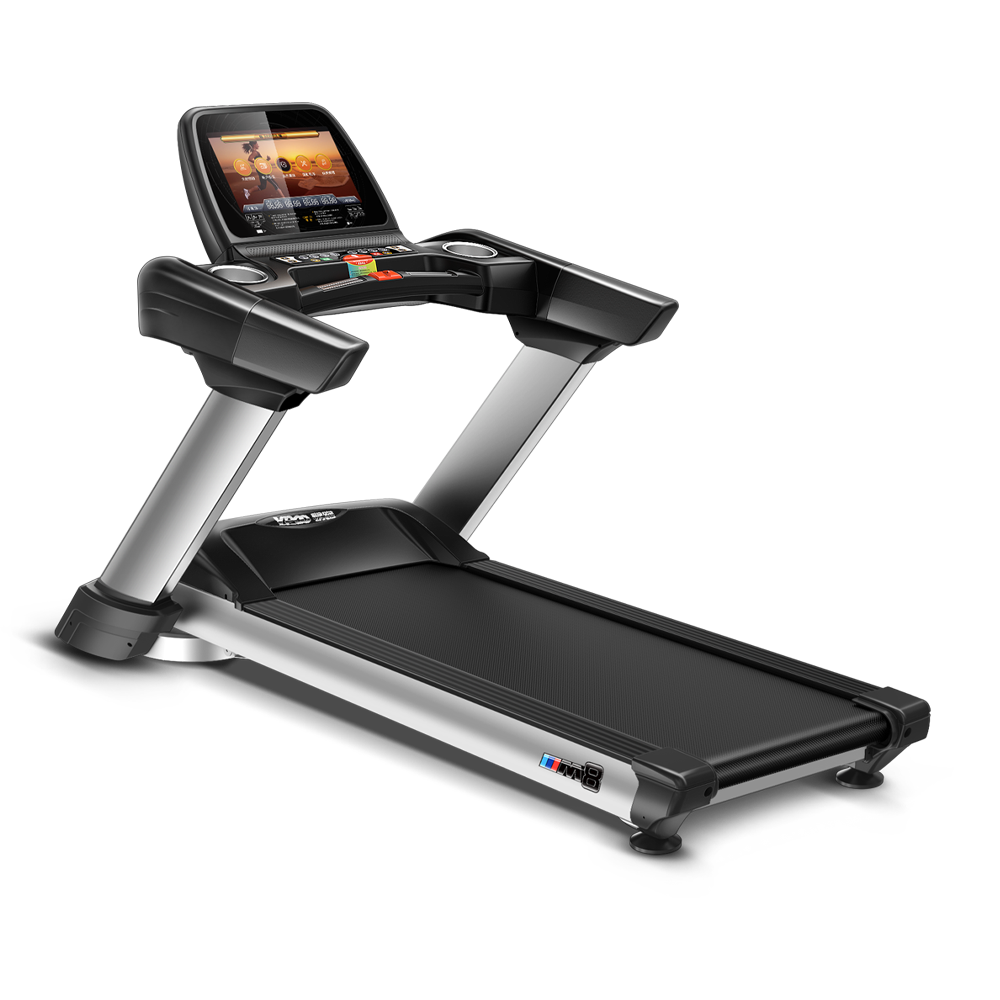
Build Your Treadmill Brand with a Controlled Process
A successful custom treadmill is not simply a standard machine with a new badge. It is a documented product whose performance, appearance, compliance evidence, packaging, and production controls support a clear market promise. Start with one focused model, make decisions through controlled revisions, and expand the range only after the first configuration is stable.
Explore YPOO’s treadmill platforms or contact YPOO with your target market, channel, specifications, quantity, and branding requirements for a custom manufacturing review.
Compliance, trademark, and market-access requirements vary by product configuration and destination. Confirm them with qualified legal and testing professionals before placing a product on the market.
FAQ
What is the minimum order quantity for a custom treadmill?
There is no universal MOQ. A logo and carton project may follow the factory’s normal model MOQ, while custom colors, consoles, molds, or electronics can create separate component minimums. Request the MOQ for every customized item.
How long does custom treadmill development take?
Timing depends on customization depth, sample iterations, tooling, testing, and document approval. A proven platform with new branding is faster than a new frame or control system. Use stage approvals instead of relying on one estimated delivery date.
Can I put my logo on an existing treadmill model?
Usually, yes, subject to factory policy, MOQ, artwork approval, and market requirements. Confirm every logo location, method, dimension, color, and durability requirement in the specification.
Who owns the custom treadmill design and molds?
Ownership depends on the written agreement. Define who pays for and owns tooling, drawings, firmware, appearance designs, and modifications, plus whether the factory may use them for another customer.
What should I approve before mass production?
Approve the final specification, bill of materials, golden sample, firmware, brand artwork, labels, manual, packaging, compliance file, quality plan, spare-parts list, and controlled production revision.