
Choosing a treadmill manufacturer is easy if you only look at price. Choosing the right one is much harder. The real question is whether the factory can make a treadmill that fits your market, meet the certificates your buyers require, keep quality stable in bulk orders, protect the products during long-distance shipping, and support you when spare parts or warranty issues come up after delivery.
If you are building a private-label treadmill brand, supplying gyms or hotels, working as a distributor, or selling fitness equipment online, the manufacturer behind your products will quietly affect your customer reviews, return rate, warranty cost, container loading, certificate approval, and repeat-order confidence.
A reliable treadmill manufacturer should do more than send you a quotation. It should help you understand product fit, customization options, MOQ, sample testing, QC standards, packaging strength, spare parts support, and after-sales workflow, so you can reduce risk before placing a bulk order.
This guide gives you a practical way to compare treadmill manufacturers and explains when it makes sense to contact YPOO for OEM, ODM, wholesale, and factory-direct treadmill projects.
1. Define Your Brand Position First
Before contacting any treadmill manufacturer, define what your brand needs to sell. A compact walking pad for apartment users is different from a foldable home treadmill, an incline treadmill, a semi-commercial treadmill, or a treadmill for gyms and hotels. Each product type needs a different motor, belt size, frame strength, console, packaging method, and after-sales parts plan.
Useful inputs include target customer, sales channel, retail price band, expected order quantity, destination market, warranty period, must-have features, and any brand requirements for color, logo, app, manual, carton, or plug type. The clearer your input, the faster a factory can recommend the right base model.
2. Check Whether the Product Range Matches Your Channel
A strong treadmill manufacturer should not push the same model to every buyer. Ask for product options across walking pads, home treadmills, incline treadmills, and semi-commercial treadmills. Then compare belt size, speed range, incline type, motor power, display options, folding structure, max user weight, running deck, and carton dimensions.
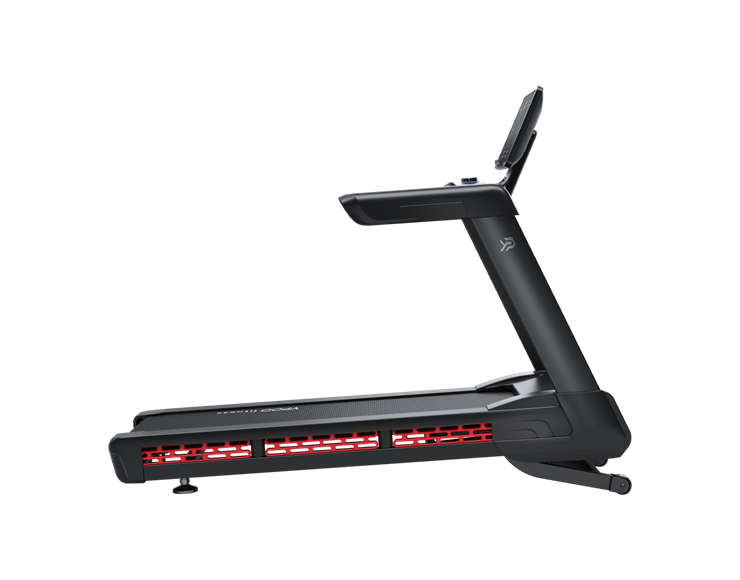
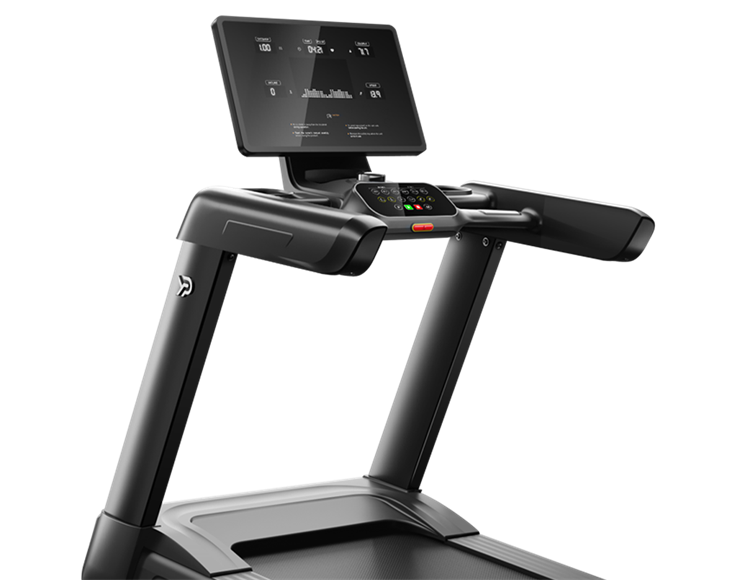
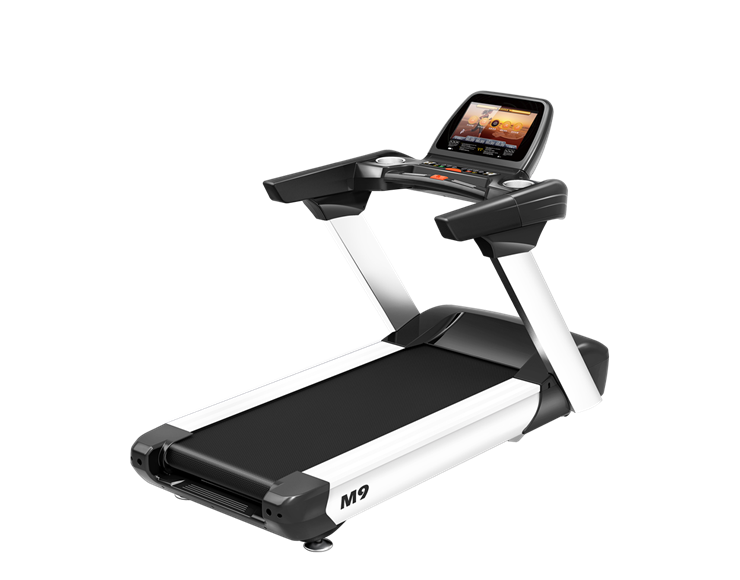
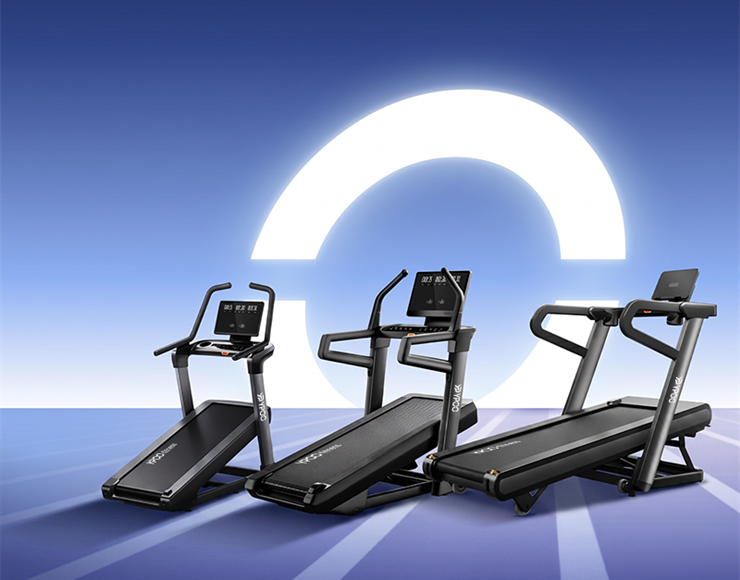
YPOO’s treadmill range includes walking pads, home-use treadmills, incline models, and semi-commercial models for brand and distributor projects. Buyers can review the YPOO treadmill page and the YPOO treadmill manufacturer category to compare model positioning.
3. Verify the Factory Role
Some suppliers are manufacturers, some are trading companies, and some combine both roles. None of these roles is automatically good or bad, but buyers need to know who controls production, testing, packaging, and after-sales parts. Ask for the legal company name, factory address, business license, product category, production video, sample room photos, warehouse photos, and references for similar export orders.
If the supplier says it is a treadmill manufacturer, ask which core parts are made in-house, which parts are purchased, and which processes are controlled by the factory. This helps you understand quality stability and repeat-order risk.
4. Review Core Components
Core parts decide treadmill reliability. Buyers should check motor type, controller, belt, running board, rollers, incline motor, frame structure, shock absorption, console, safety key, sensors, cables, and power components. YPOO highlights in-house core parts such as motors, controllers, rollers, and plastic parts, which can help improve OEM quality control and reduce after-sales risk for treadmill programs.
Do not compare motor power alone. Ask whether the figure is peak power or continuous power, whether AC, DC, or BLDC is used, and how heat, noise, vibration, and durability are tested. For higher-end or semi-commercial products, motor and controller stability are especially important.
5. Understand OEM and ODM Scope
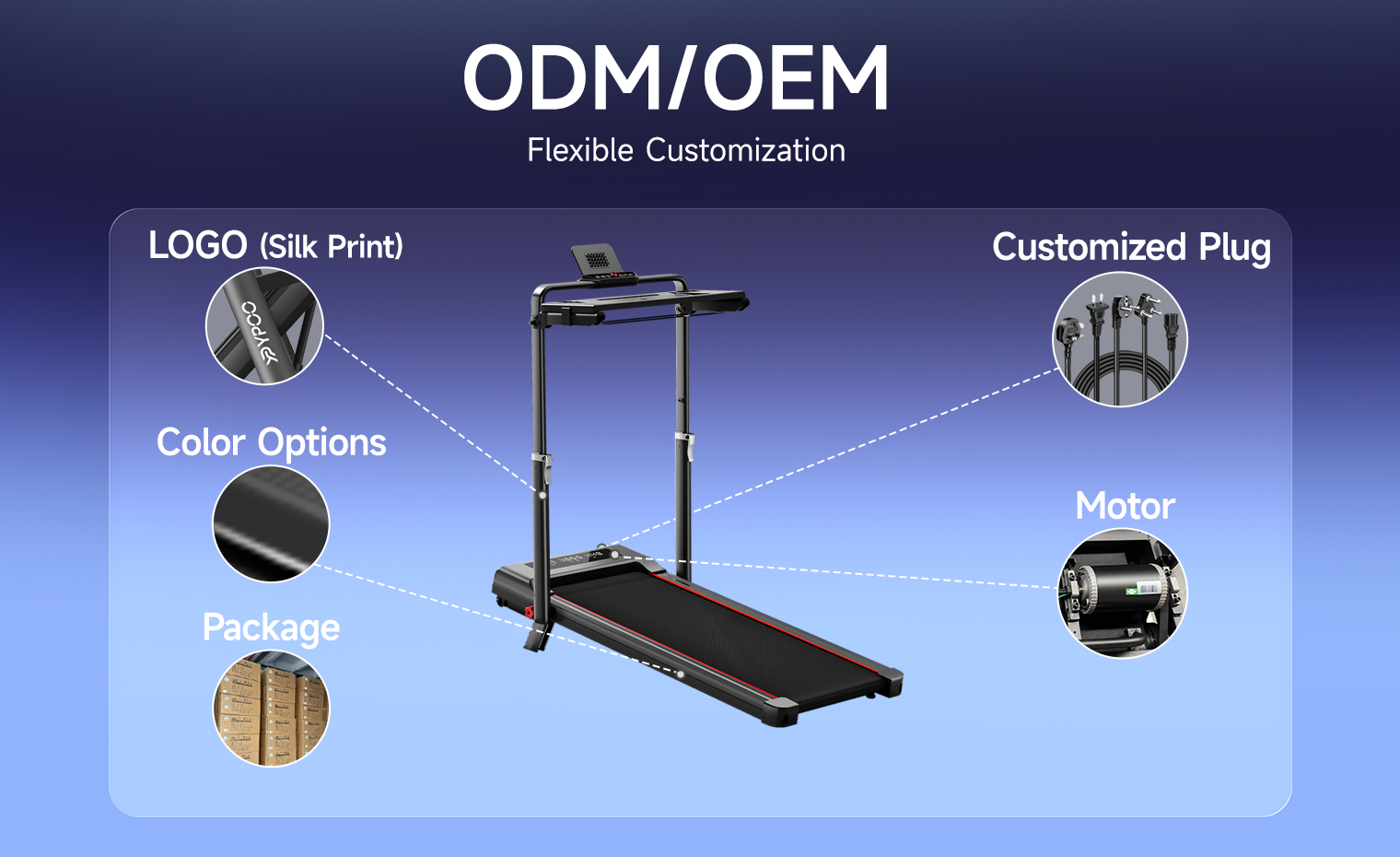
OEM usually means using an existing treadmill model with brand changes such as logo, color, manual, carton, labels, plug, console graphics, or accessory combinations. ODM may involve deeper changes to structure, design, electronics, console, app, packaging, or product positioning. A full custom project can require tooling, engineering work, testing, and a longer development calendar.
Ask the treadmill manufacturer which changes are available at your expected MOQ. Logo and carton changes may be easier than custom color, custom console, new app integration, or structural changes. Good suppliers will explain the tradeoff between customization, cost, lead time, and risk.
6. Ask for a Complete Quotation
A useful quote should include model number, product specification, MOQ, sample cost, sample lead time, bulk lead time, unit price, payment terms, carton size, gross weight, loading quantity, certificate status, warranty terms, spare-part policy, and customization cost. If the quote only shows one EXW price, you do not yet have enough information to compare suppliers.
Compare landed cost and after-sales risk, not only unit price. A cheaper treadmill can become expensive if the carton is weak, the belt drifts, the console fails, spare parts are difficult to reorder, or the certificate does not match the shipped model.
7. Build a Sample Evaluation Matrix
Before bulk production, test samples in a structured way. A sample evaluation matrix helps your team compare factories fairly and avoid choosing by appearance alone.
| Area | What to Check | Why It Matters |
|---|---|---|
| Performance | Speed range, incline, motor heat, noise, vibration, belt tracking | Controls user experience and warranty risk |
| Structure | Frame stability, folding system, handrails, deck, rollers, transport wheels | Affects durability and safety |
| Console | Display, buttons, sensors, app option, safety key, language | Impacts product positioning and daily use |
| Packaging | Carton size, foam, accessory layout, drop-test method, labels | Reduces damage during shipping |
| Documents | Manual, certificates, labels, spare-part list, inspection checklist | Supports import, sales, and service |
8. Check Quality Control and Testing
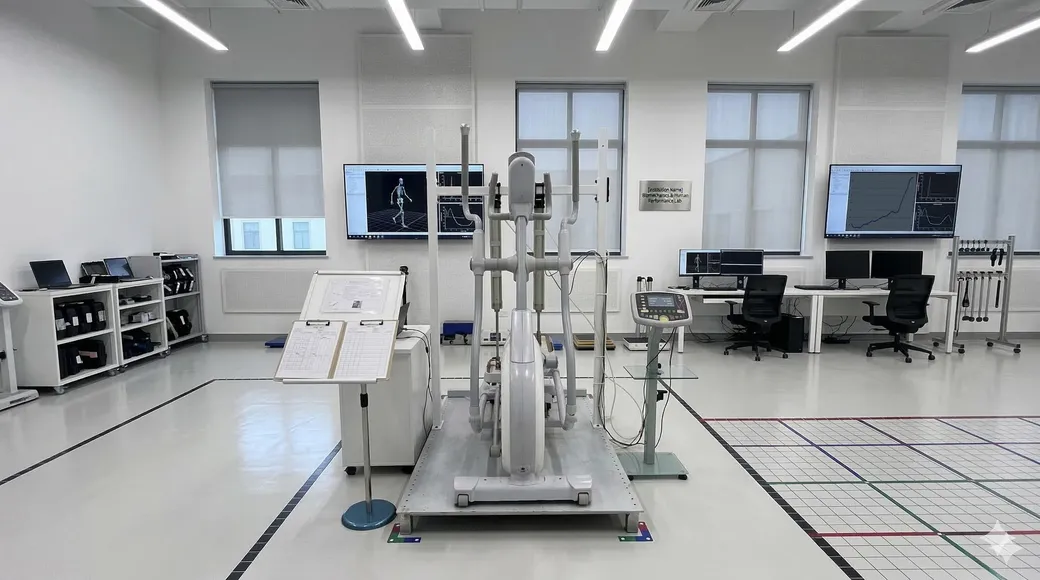
A reliable treadmill manufacturer should explain how each model is inspected before shipment. Ask about endurance testing, running belt alignment, noise testing, vibration testing, motor heat, controller stability, incline function, console function, safety key, cable connection, packaging drop test, and pre-shipment inspection.
YPOO’s treadmill page describes structured quality control, including drop-test durability, life testing, and salt spray testing. For buyers, these processes are useful because they connect the quote to real after-sales risk.
9. Confirm Certificates and Market Documents
Certificate needs depend on the destination market and sales channel. Before ordering, confirm whether the exact treadmill model has the documents your market requires, such as CE, RoHS, FCC, UKCA, or other files. Check whether the certificate holder, model number, product photo, and technical file match the product you are buying.
Do not assume a factory’s general certificate covers every treadmill. Ask for files before deposit and confirm whether any product change will affect certification.
10. Review Packaging and Loading
Treadmills are heavy and can be damaged when cartons, foam, accessory placement, or loading plans are weak. Ask for carton dimensions, gross weight, loading quantity, drop-test method, foam structure, accessory bag layout, manual placement, barcode position, and shipping mark requirements.
For e-commerce brands, packaging is even more important because individual parcel delivery creates more impact than pallet or container delivery. A manufacturer that understands packaging risk can protect your reviews and margin.
11. Confirm Spare Parts and After-Sales Support
After-sales planning should happen before bulk order. Ask whether the treadmill manufacturer can supply motors, controllers, belts, running boards, consoles, safety keys, power cables, handrail parts, screws, rollers, and packaging parts. Ask for an exploded diagram, troubleshooting guide, spare-part price list, and warranty workflow.
A supplier that cannot support spare parts may still deliver the first container, but your brand may struggle after products reach customers. Long-term parts support is one of the clearest differences between a transactional supplier and a real manufacturing partner.
Questions to Ask a Treadmill Manufacturer
- Which treadmill models fit my target market and price band?
- What is the MOQ for logo, color, carton, manual, plug, and console changes?
- Which core parts are made in-house and which are purchased?
- Can you provide sample lead time, bulk lead time, carton size, and loading quantity?
- What certificates are available for the exact model number?
- How do you test motor heat, belt tracking, noise, vibration, incline, and packaging?
- What spare parts can be supplied after shipment?
- How do you handle warranty claims and technical support?
Red Flags to Avoid
- The supplier cannot show the legal entity, factory address, or production role clearly.
- The quote is cheap but missing carton details, parts list, certificate files, and warranty terms.
- The same certificate is used for many different model numbers without clear proof.
- The supplier avoids sample testing or refuses a live video inspection.
- Customization promises are vague and not linked to MOQ, cost, or lead time.
- Spare parts and after-sales workflow are discussed only after problems appear.
When to Contact YPOO
Contact YPOO when your brand needs treadmill model selection, OEM/ODM discussion, sample planning, packaging review, QC communication, or factory-direct wholesale support. YPOO works with treadmill, walking pad, incline treadmill, and semi-commercial treadmill projects for brands, distributors, gyms, hotels, and related fitness equipment buyers.
You can start with the YPOO treadmill range, review YPOO fitness equipment products, or contact YPOO to discuss product selection, MOQ, customization, samples, and shipment planning.
FAQ
What should I ask a treadmill manufacturer before ordering?
Ask for product specifications, MOQ, sample lead time, bulk lead time, motor details, belt size, speed range, incline type, carton size, loading quantity, certificate files, spare parts, warranty terms, and inspection checklist.
How do I know whether a treadmill factory is reliable?
Verify the legal company name, factory address, production role, product category, sample quality, testing process, certificate files, packaging method, spare-part support, and export experience. A live video walkthrough or third-party audit is useful before bulk orders.
Is the cheapest treadmill quote the best option?
Usually not. Buyers should compare total risk, including components, carton strength, certificate status, after-sales parts, warranty process, inspection cost, freight, and repeat-order stability. A low unit price can create higher service cost later.
Can YPOO support private-label treadmill projects?
Yes. YPOO supports treadmill OEM, ODM, wholesale, and factory-direct projects, including model selection, logo, color, packaging, manual, plug, samples, QC discussion, MOQ, and shipment planning.
Final Recommendation
The right treadmill manufacturer for your brand is the one that matches your channel, proves factory capability, provides clear documents, supports realistic customization, controls packaging risk, and stays useful after shipment. Start with your product position, test samples carefully, compare the full quote, and choose a supplier that can support repeat business.
For treadmill manufacturer support, visit the YPOO treadmill page, compare products in the YPOO treadmill category, or contact YPOO for an OEM/ODM discussion.