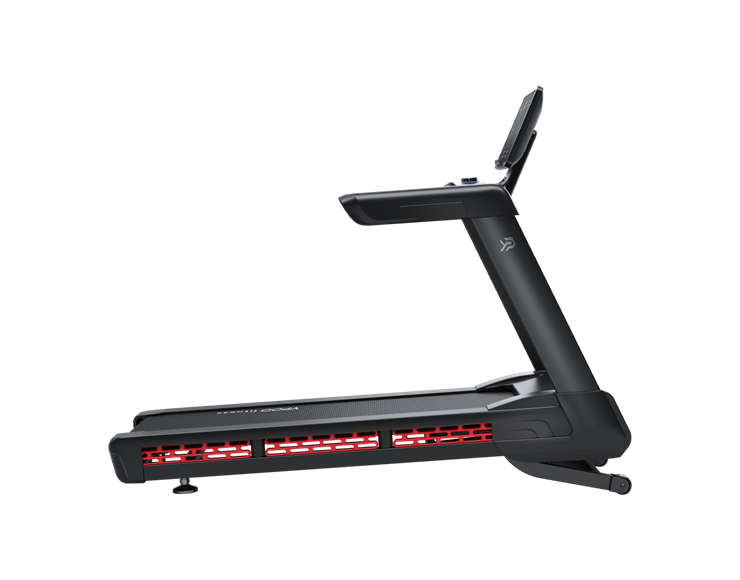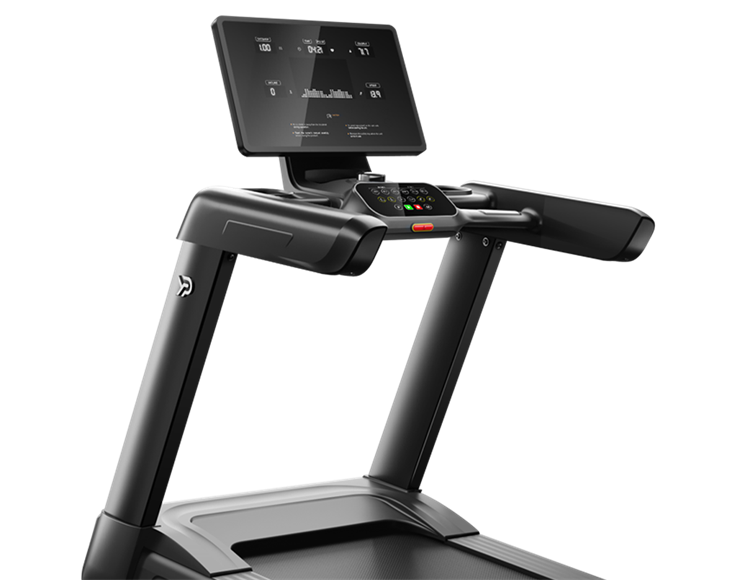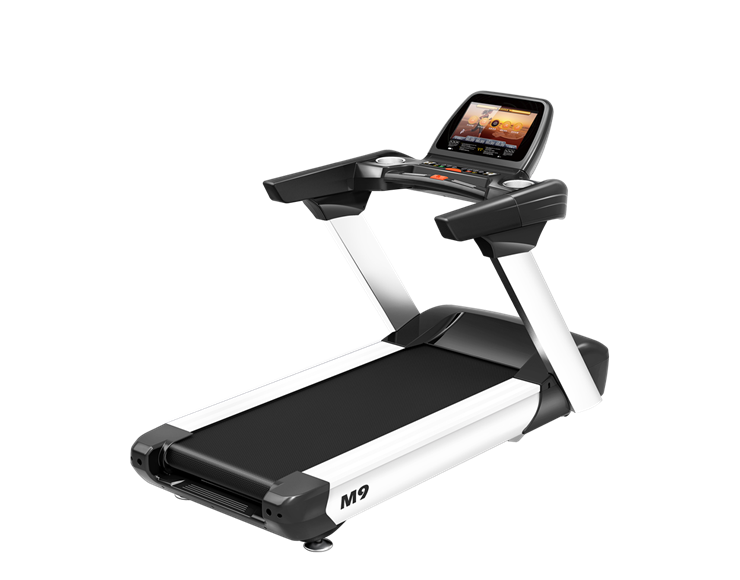

If you’re sourcing treadmills self propelled for a gym, studio, hotel, or retail fitness line in 2026, treat them as performance-zone equipment, not general cardio-row replacements. They work best for sprint training, HIIT, athletic conditioning, and coached sessions where the user controls pace by stride, effort, and body position.
Self Propelled Treadmill Basics
A self propelled treadmill is a non-motorized treadmill where the user moves the belt by walking, jogging, or sprinting. Most commercial units use a curved slat belt. For B2B buyers, the value is simple: lower electrical demand, intense training feel, and fewer motor-related parts, but a narrower user fit than standard motorized treadmills.
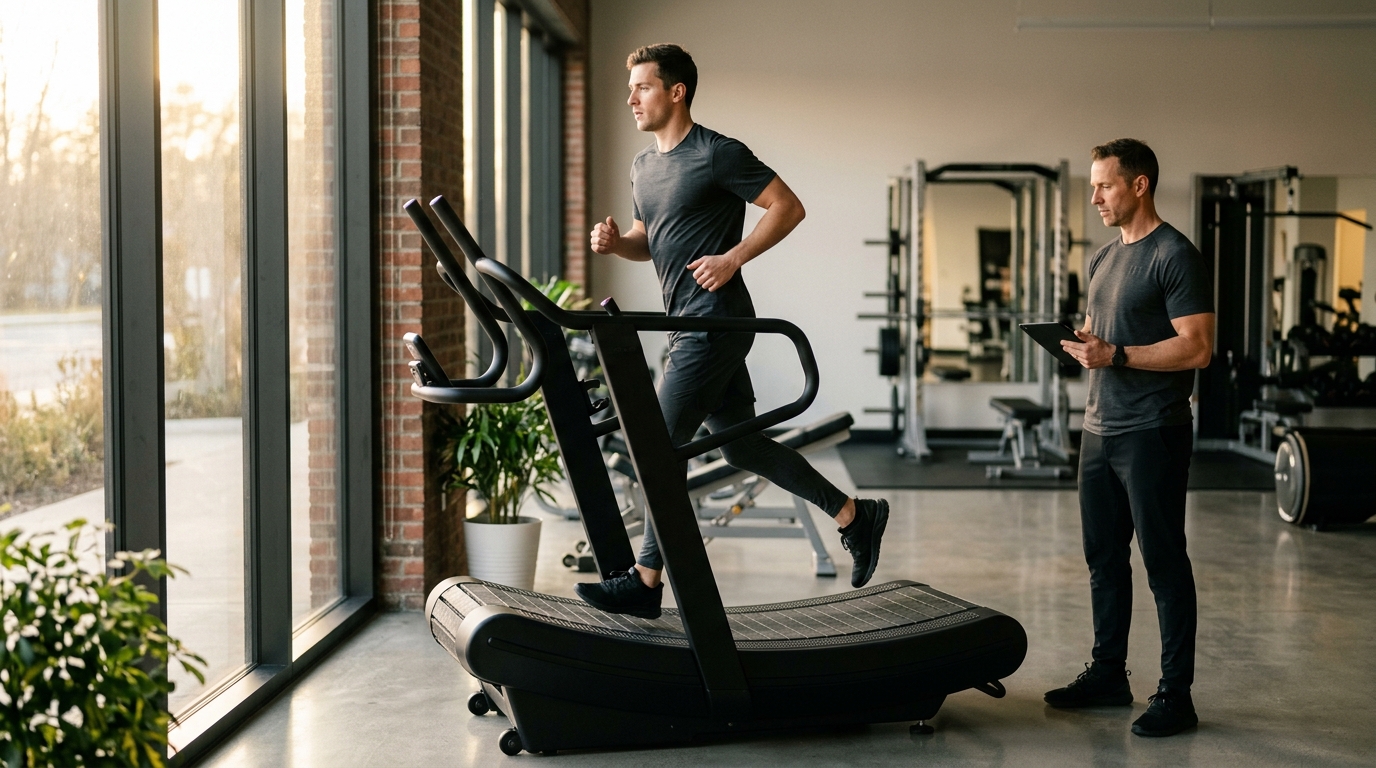
The first procurement split is easy. Curved self propelled treadmills suit athletic users. Motorized treadmills suit mixed users. A hotel gym with casual walkers, older guests, and business travelers will usually get better use from motorized treadmills. A training studio running 30-minute conditioning blocks can justify one or two curved units faster.
Benchmarks buyers often compare include Woodway Curve, AssaultRunner Pro or Elite, TrueForm Runner, and Technogym Skillrun. They don’t feel the same. Belt resistance, curve angle, slat design, console feedback, side rail height, and deck length all change how quickly a user finds rhythm.
Use this as a fast filter:
| Facility type | Better fit | Why it matters |
|---|---|---|
| Commercial gym cardio row | Motorized treadmill | Easier for walking, jogging, incline programs, and first-time users |
| HIIT studio | Self propelled treadmill | Fast pace changes without waiting for motor acceleration |
| Sports performance center | Self propelled treadmill | Good for sprint mechanics and coach-led intervals |
| Hotel fitness room | Motorized treadmill | Broader guest comfort and simpler operation |
| Private-label retail line | Depends on target buyer | Self propelled works for premium training; motorized works for volume sales |
Facility Fit And Demand
Put a self propelled unit where staff can explain it. That sounds basic, but it affects usage. A curved treadmill parked in a quiet corner becomes an expensive coat rack. The same machine beside sled turf, racks, and interval bikes gets used because the training context is obvious.
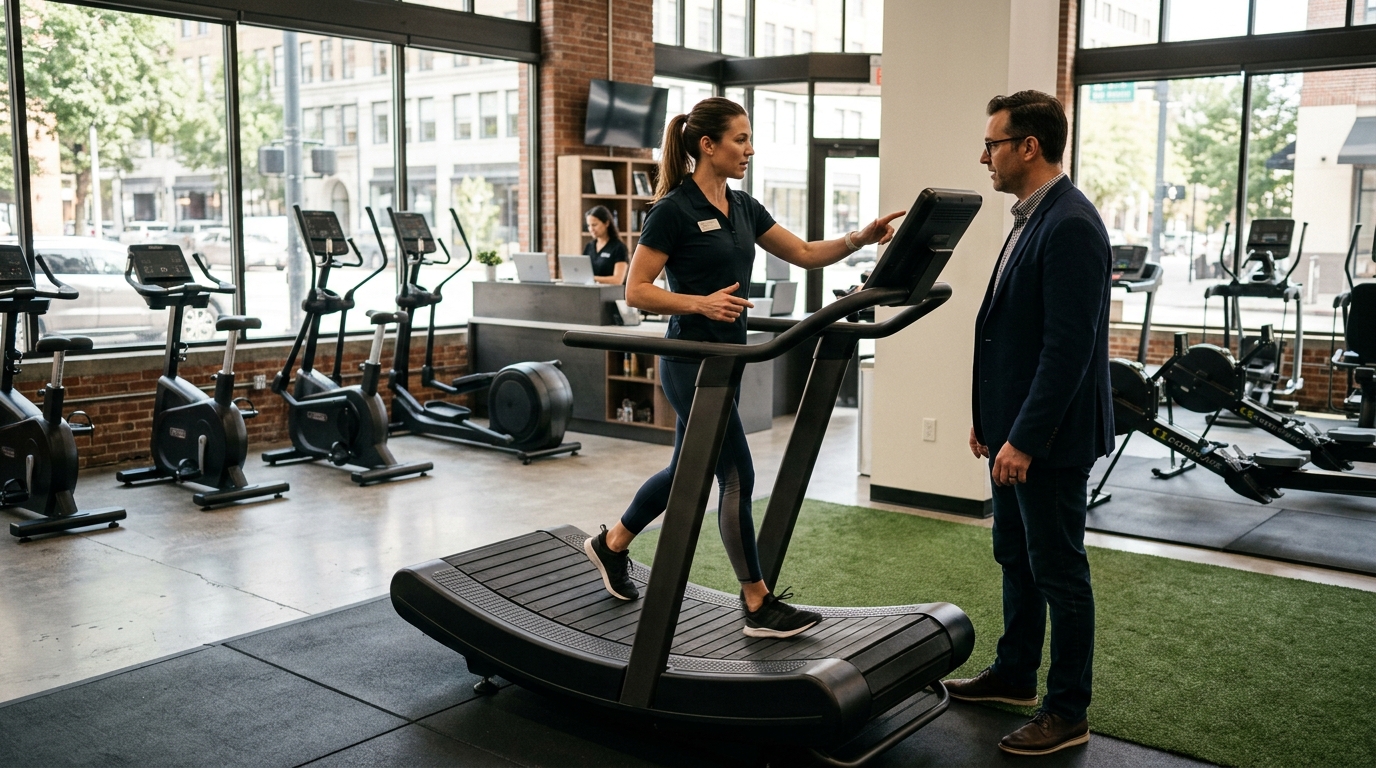
For distributors and importers, demand is strongest when the buyer already sells performance cardio: air bikes, ski trainers, commercial rowers, sprint turf, and studio packages. The treadmill becomes part of a training circuit. For chain retailers, self propelled treadmills need careful positioning because the machine feels harder at the same visible speed. A shopper who expects a soft home treadmill may step on, fight the belt for 15 seconds, and step off.
The CDC adult activity guidance says adults need 150 minutes of moderate activity or 75 minutes of vigorous activity each week, plus 2 days of muscle-strengthening work. That supports the broader cardio category, but it doesn’t make every treadmill right for every buyer. Self propelled treadmills push intensity quickly. That’s a benefit for trained users and a drawback for entry-level walking programs.
Motorized Treadmill Comparison
The procurement question isn’t “which is better?” It’s “which user will step on this machine twice a week?”
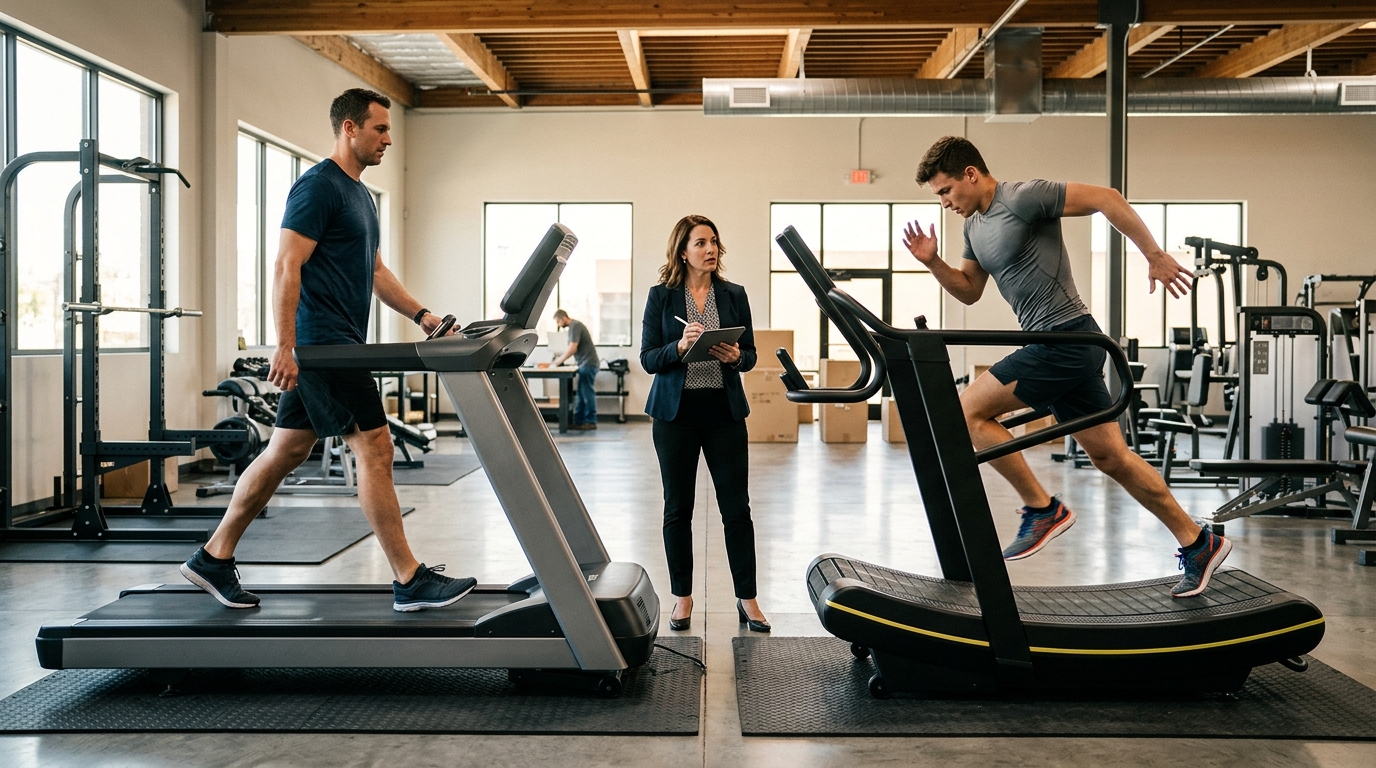
Self propelled treadmills remove the drive motor, so you avoid motor horsepower comparisons, motor controller failure points, and country-specific power draw concerns. You still need to inspect belt bearings, slat quality, roller alignment, frame welds, console durability, transport wheels, and rear-guard design. No motor doesn’t mean no maintenance. It just changes the maintenance list.
Motorized treadmills still win on controlled speed, incline training, app workouts, and walking comfort. For YPOO Fitness buyers, that matters because treadmills with motor options, controller options, TFT displays, YPOOFIT app support, rollers, running belts, and console configurations can be built around clearer retail segments. A distributor can sell entry walking models, home running models, and commercial cardio units without asking every user to learn curved running.
One safety note deserves boardroom attention. The U.S. Consumer Product Safety Commission’s 2021 Peloton Tread+ recall involved a slatted treadmill deck and reports of people, pets, and objects being pulled under the rear of the machine. That doesn’t mean all slat-belt designs are unsafe. It does mean rear clearance, guards, emergency stop behavior, child-access warnings, and use-location guidance belong in your RFQ, not after-sales paperwork.
Specs Buyers Should Check
Ask for the boring numbers. They decide whether your warranty team gets quiet months or angry Monday emails.
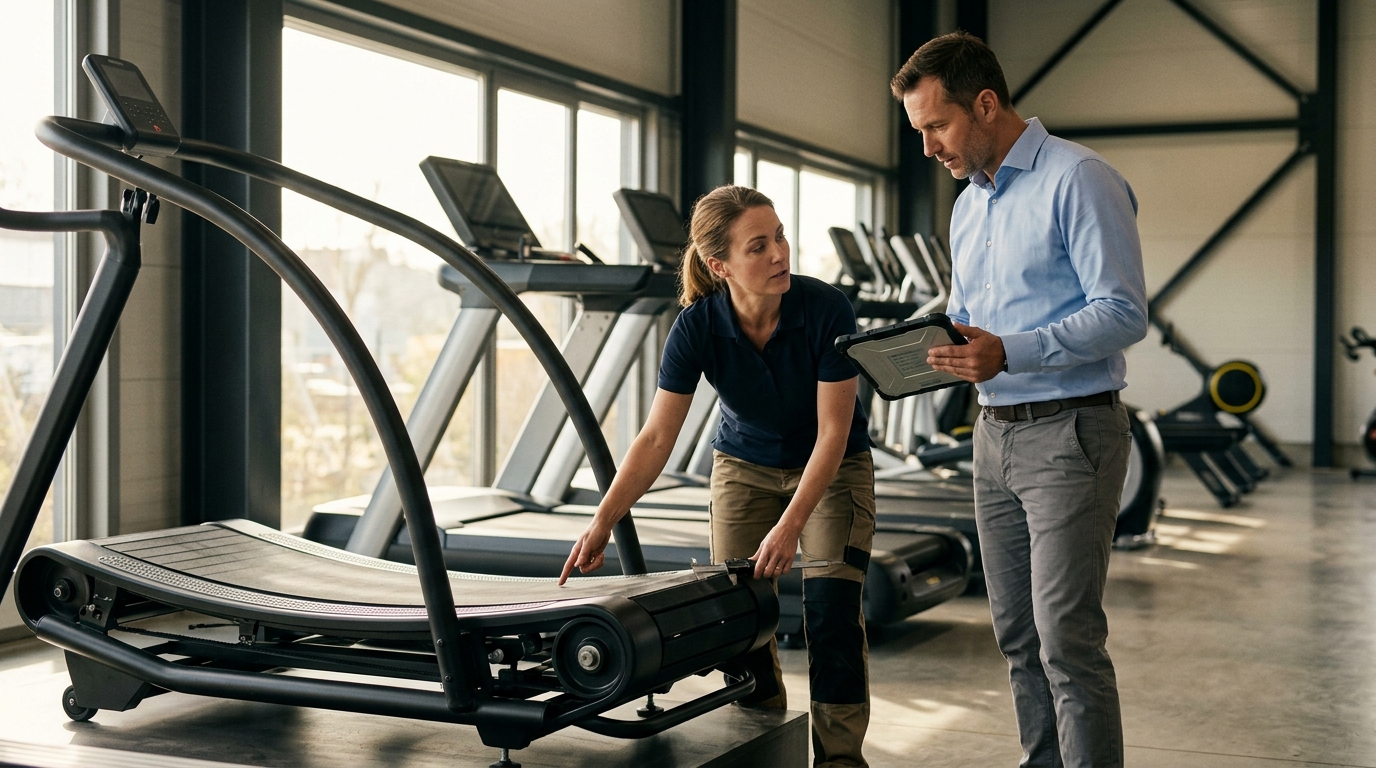
For treadmills self propelled, the spec sheet should include belt type, effective running surface, max user weight, unit weight, frame material, bearing system, console power method, emergency stop design, side rail dimensions, carton size, loading quantity, and maintenance interval. If a supplier can’t answer those cleanly, pause.
For bulk orders, check these before you argue about price:
- Running surface length and width for tall users
- Belt resistance feel across walking, jogging, and sprinting
- Frame stability under side-to-side foot strike
- Rear-guard clearance and warning label placement
- Console readability under gym lighting
- Carton drop-test method and spare-parts packing plan
- User manual language, icon clarity, and maintenance schedule
- MOQ, lead time, plug or voltage needs if electronics are included
A self propelled treadmill often looks simpler than a motorized model in photos. On the floor, small details get loud. A loose side rail feels cheap. A noisy bearing makes the whole unit feel tired. A narrow deck punishes bigger users. A console that misses pace changes makes coaches stop trusting the data.
Factory QC For Bulk Orders
For B2B treadmill sourcing, factory capability matters more than a polished render. You need the same frame geometry and belt feel across the 20th unit and the 2,000th unit.
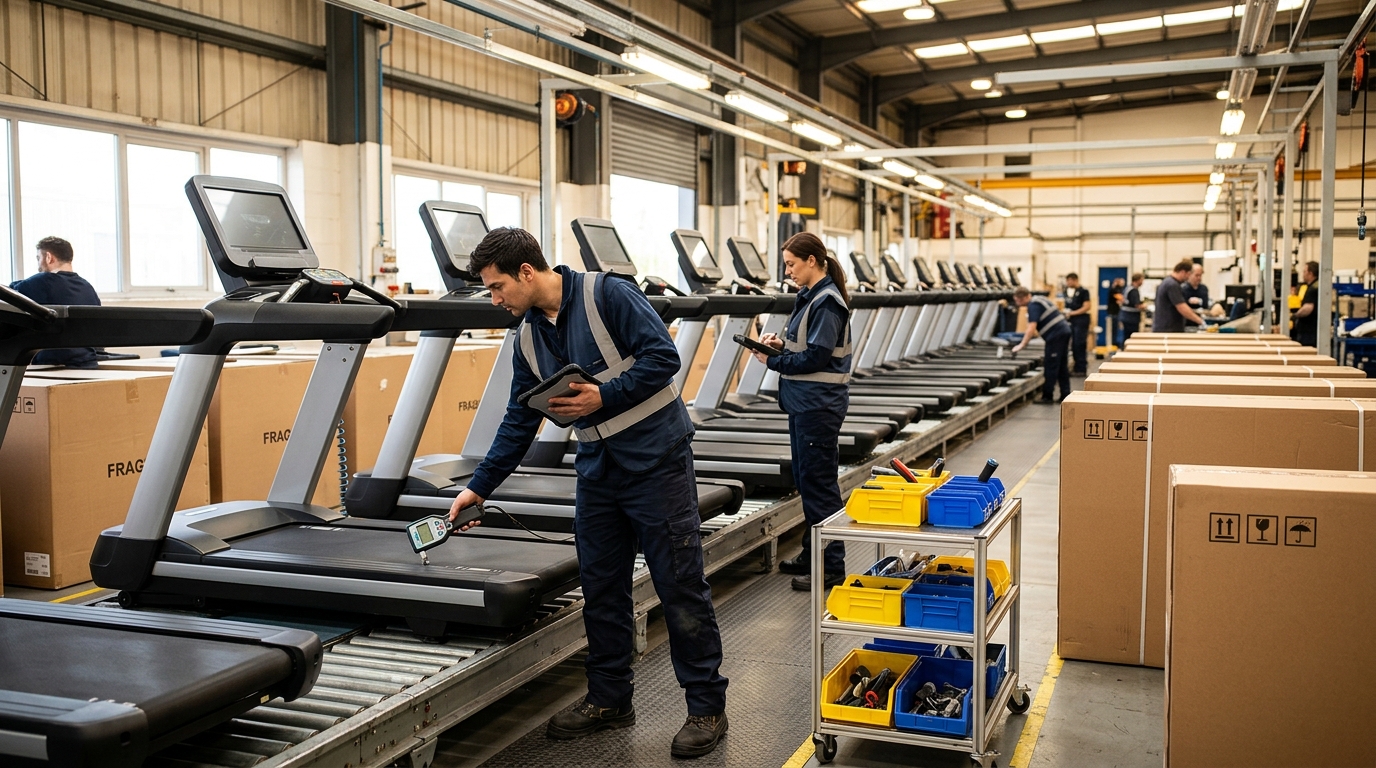
YPOO Fitness is positioned as a China fitness equipment manufacturer with OEM/ODM treadmill and spin bike supply, in-house component production, and four-stage quality control from raw materials to outgoing shipment. The company has a 90,000 m² industrial park, 9 production lines, 500+ frontline workers, and reported capacity of 2,000+ treadmills per day. That scale matters when you’re planning container orders instead of sample-room orders.
The technical side matters too. YPOO’s client-supplied facts include self-produced motors, controllers, rollers, self-tooled plastic parts, injection molding, robot welding, quiet testing standards, roller dynamic balancing, fatigue testing equipment, endurance testing equipment, and a national-standard laboratory. For motorized treadmill programs, those controls are directly tied to noise, stability, delivery, and warranty risk. For a self propelled concept or private-label roadmap, the same factory discipline should be discussed around frame, belt, bearing, console, and carton validation.
YPOO Fitness also has 130+ patents, including 112 product patents and 18 national invention patents, plus ISO, CE, RoHS, SGS-supported quality control claims. Ask for certification scope by SKU and country. Don’t assume UL or EN957 unless the supplier gives you confirmed documents for that model and market.
You can review YPOO’s broader OEM/ODM manufacturing background through YPOO Fitness, and buyers comparing treadmill programs can also look at models such as YP-M5 Ultra when discussing console, belt, motor, and private-label configuration choices.
OEM Options And Sourcing Risk
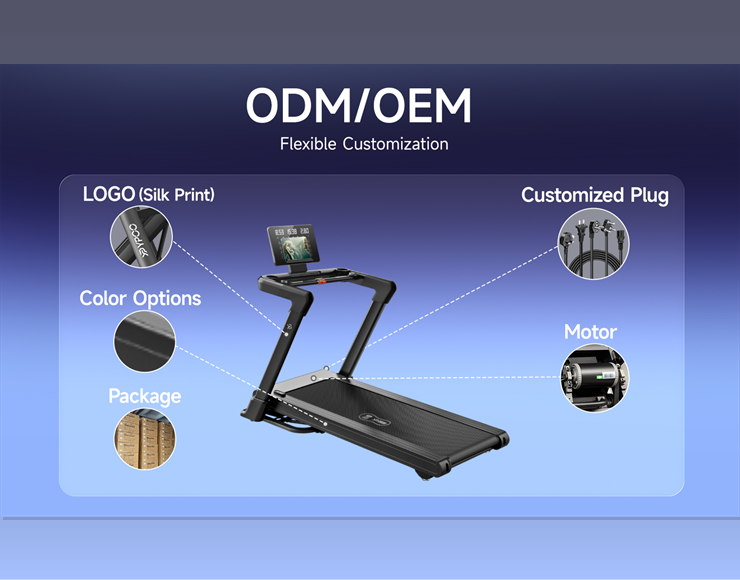
For private-label buyers, customization should be specific. “Custom logo” is too vague. Where does the logo go: color screen, carton, manual, upright column, running belt, or console? Which color parts change? Which parts stay standard to protect lead time?
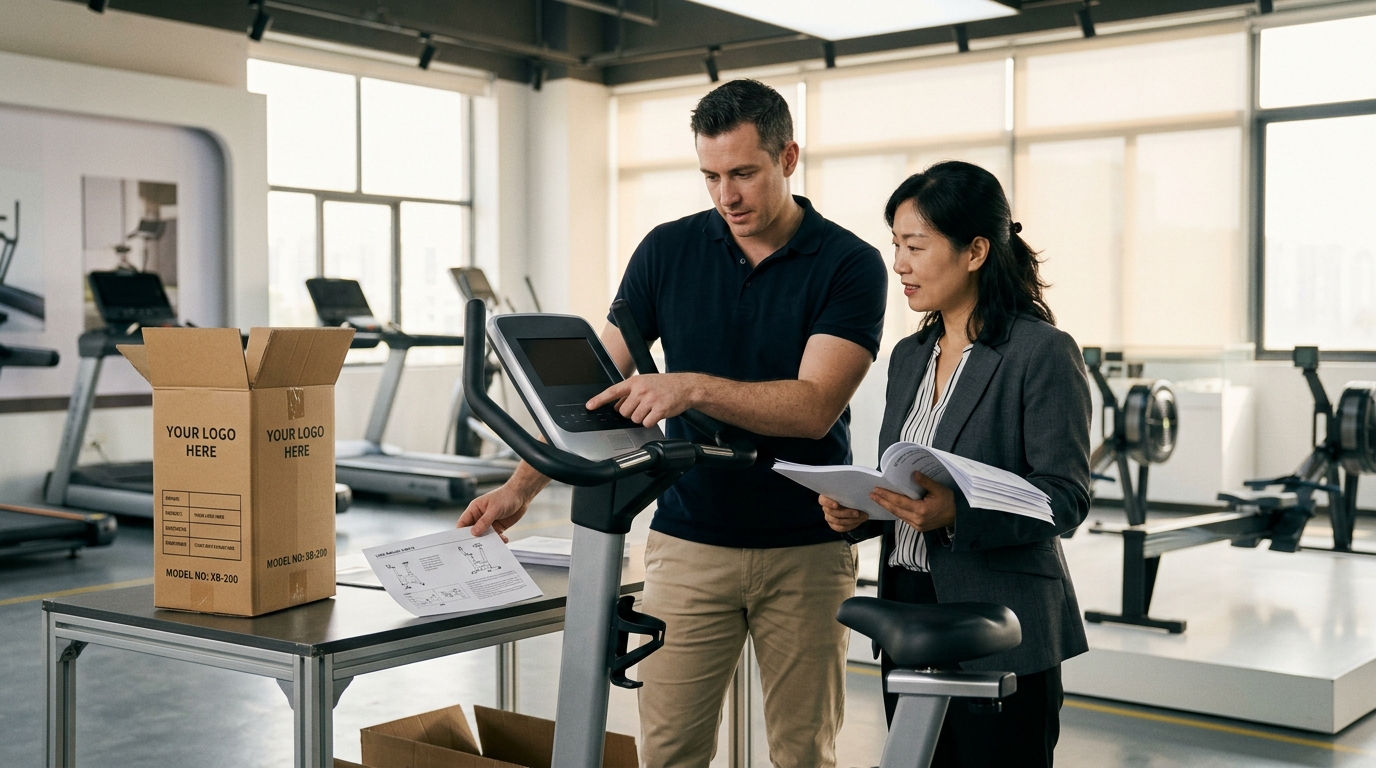
YPOO supports OEM/ODM customization such as logo placement, carton and manual branding, plug and voltage customization, buyer-requested colors, and product configuration based on order requirements. For distributors in Europe, South America, Southeast Asia, and Central Asia, that helps build a line that fits local price points without creating a new supply problem every season.
If you’re adding self propelled treadmills to a portfolio, start with a small commercial test: 1 display unit, 2 training units, 90 days of coach feedback, and a spare-parts list. Watch belt feel, bearing noise, user drop-off, cleaning effort, and complaints from heavier users. Then decide whether it belongs in your next container.
FAQ
Are treadmills self propelled worth buying?
Yes, if your buyers want HIIT, sprint intervals, and athletic conditioning. For general walking rows, motorized treadmills usually deliver broader daily use.
Do self propelled treadmills use power?
Most self propelled treadmills don’t need a drive motor. Some still use batteries or small power inputs for console data, lights, or connected display features.
Are curved treadmills harder?
Yes. Curved treadmills usually feel harder because the user must move the belt and control speed with body position. That higher effort is useful for trained users but less friendly for beginners.
Which gyms should buy them?
HIIT studios, sports performance centers, PT studios, and premium gym training zones are the strongest fit. Hotels, apartments, and casual cardio areas should usually prioritize motorized treadmills first.
Send YPOO Fitness your target user weight, belt preference, console needs, logo positions, carton requirements, MOQ, destination market, and expected compliance documents. For OEM/ODM treadmill sourcing, that RFQ gives the factory enough detail to quote the right build instead of guessing from a product photo.