
Quick answer: Before starting a walking pad OEM project, brands should check product positioning, factory role, motor and controller quality, belt size, folding or handrail structure, customization scope, sample timeline, carton strength, certificates, MOQ, spare parts, and after-sales workflow. A good walking pad manufacturer should help you reduce launch risk, not only add a logo to an existing model.
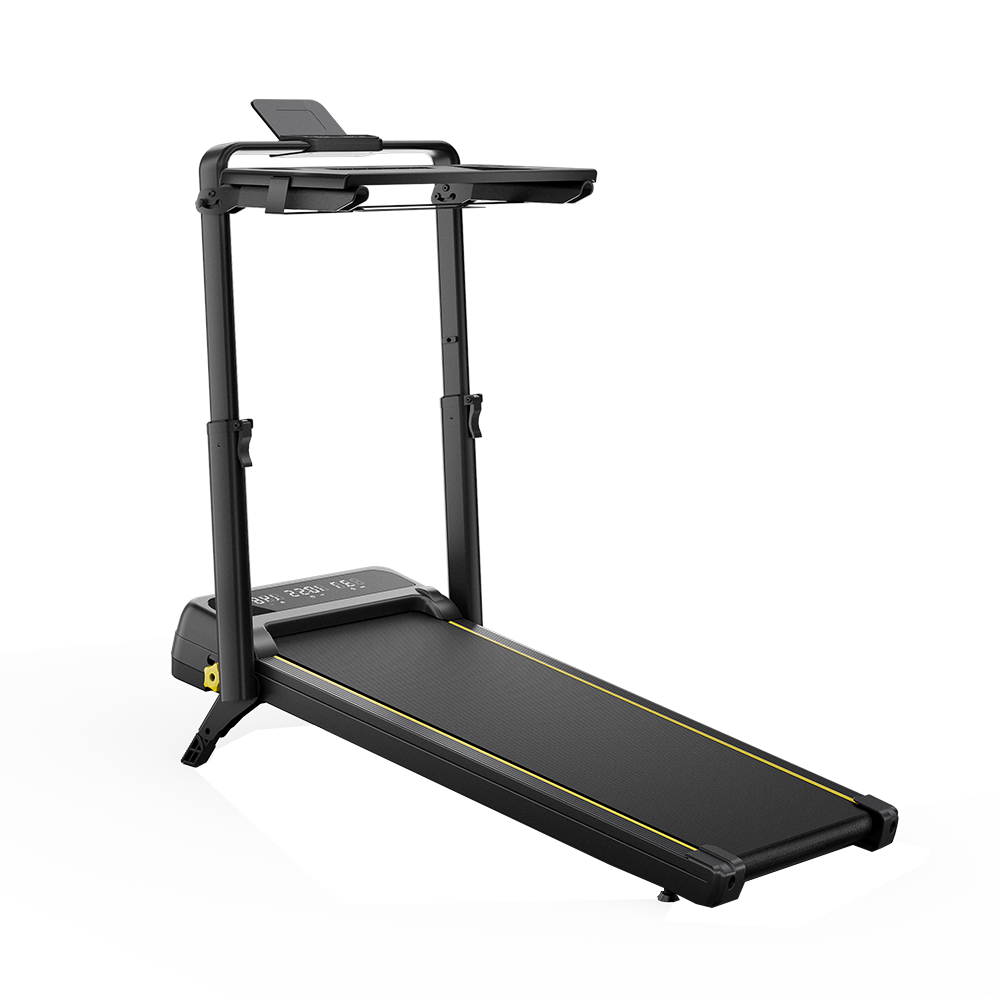
Walking pads are attractive for private-label brands because they fit home fitness, office wellness, apartment living, e-commerce retail, and distributor channels. But the category also carries risk: products are compact, motors work in small spaces, cartons are handled by parcel networks, and customers expect low noise and easy storage. This guide explains what brands should check first when working with a walking pad manufacturer for OEM or ODM orders.
Start With the Sales Channel
A walking pad for online retail is not the same as a walking pad for hotels, corporate wellness rooms, distributors, or local dealers. E-commerce brands need stronger parcel packaging, clear manuals, simple assembly, reliable spare parts, and fast response to warranty claims. Distributor channels may care more about model stability, repeat-order pricing, bulk loading quantity, and certificate files. Hotels and gyms may need stronger structures and clearer maintenance support.
Before speaking with a factory, define the target customer, price band, sales channel, warranty period, destination market, expected order quantity, and must-have features. This helps the supplier recommend the right model instead of pushing a generic product.
Check the Production Model
Not every supplier controls the same part of production. Some suppliers manufacture walking pads directly, some assemble purchased components, and some trade products from partner factories. The first step is to understand the supplier’s role. Ask for the legal company name, factory address, production area, sample room, warehouse, testing area, and product category proof.
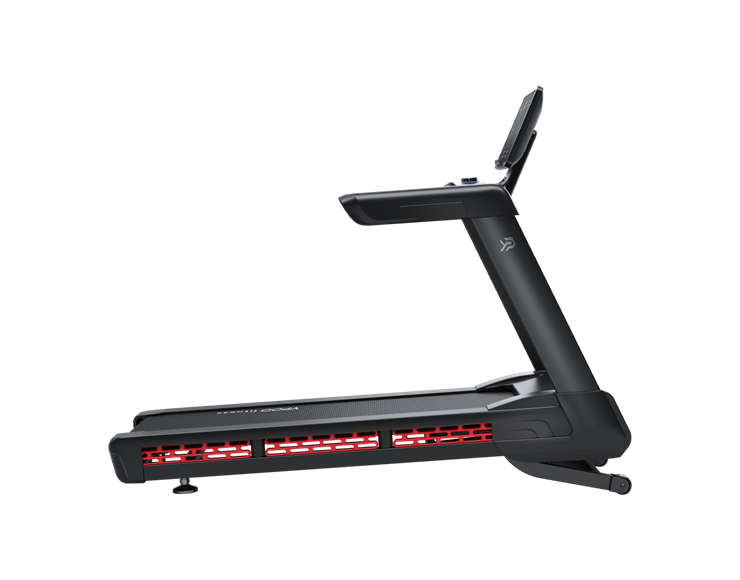
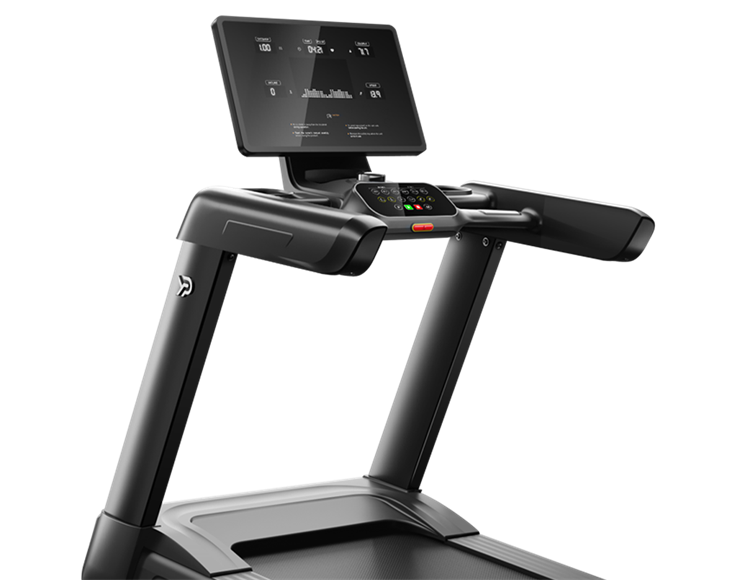
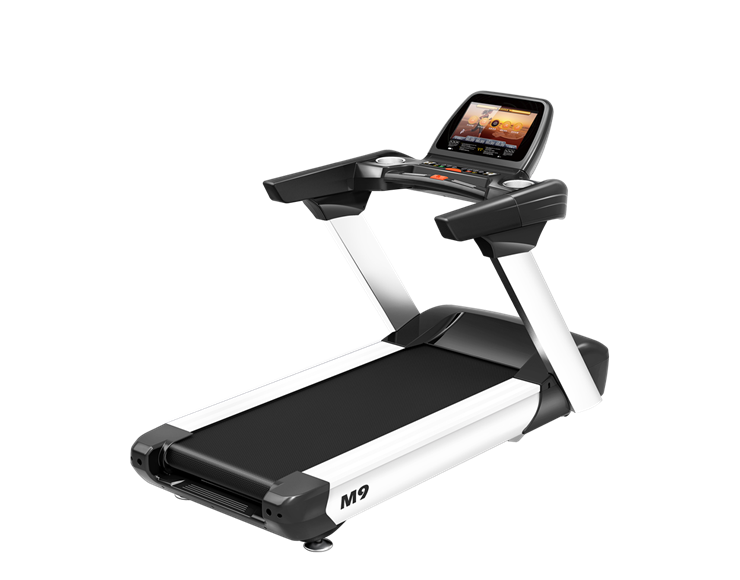
YPOO positions its treadmill range for wholesale, OEM, ODM, and factory-direct supply, including walking pads, home-use models, incline treadmills, and semi-commercial treadmills. The YPOO treadmill page also describes in-house core parts such as motors, controllers, rollers, and plastic parts, which are important for steadier OEM quality control.
Confirm OEM or ODM Scope
OEM usually means using an existing walking pad model and changing brand elements such as logo, color, manual, carton, labels, remote control, plug, console sticker, or accessory list. ODM goes deeper and may involve product appearance, folding structure, handlebar design, console layout, app functions, motor configuration, belt size, or packaging design.
Brands should ask which changes are available at their expected MOQ. Logo and manual changes may be simple; custom color, new console artwork, custom app functions, or structural changes can require higher MOQ, longer lead time, and more testing. A responsible walking pad manufacturer should explain these limits before sample development.
Key Product Specs to Check First
Walking pad quotes can look similar, but small differences affect customer reviews and warranty cost. Brands should compare motor type, controller, speed range, belt size, deck structure, running board, rollers, noise level, vibration, folded size, handrail stability, remote control, display, app option, max user weight, net weight, gross weight, and carton size.
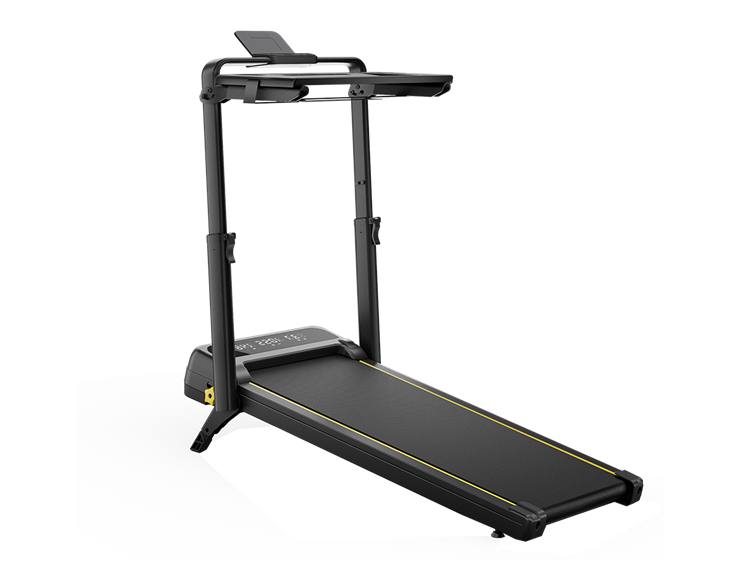
YPOO’s walking-running pad products on the treadmill category page include models with BLDC motors, LED displays, compact belt sizes, manual incline options, height-adjustable handrails, and walking/running speed ranges. These details should be checked model by model before quoting or branding.
Motor and Controller
The motor and controller are two of the most important parts in a walking pad OEM project. Ask whether the quoted motor is DC, BLDC, or another type; whether the power figure is continuous or peak; how heat is tested; and whether the controller is stable under repeated use. Low noise, stable speed, smooth startup, and heat control are critical for apartment and office users.
For private-label programs, brands should also ask whether motors and controllers can be supplied as spare parts after shipment. A walking pad manufacturer that cannot provide key parts may create service problems after launch.
Belt, Deck, and Running Feel
The belt size and deck structure affect comfort, safety, and perceived quality. Ask for running belt size, belt material, running board structure, roller size, lubrication method, belt tracking process, and max user weight. During sample testing, check whether the belt drifts, whether the walking surface feels stable, and whether the machine becomes noisy after continuous use.
Folding, Handrails, and Storage
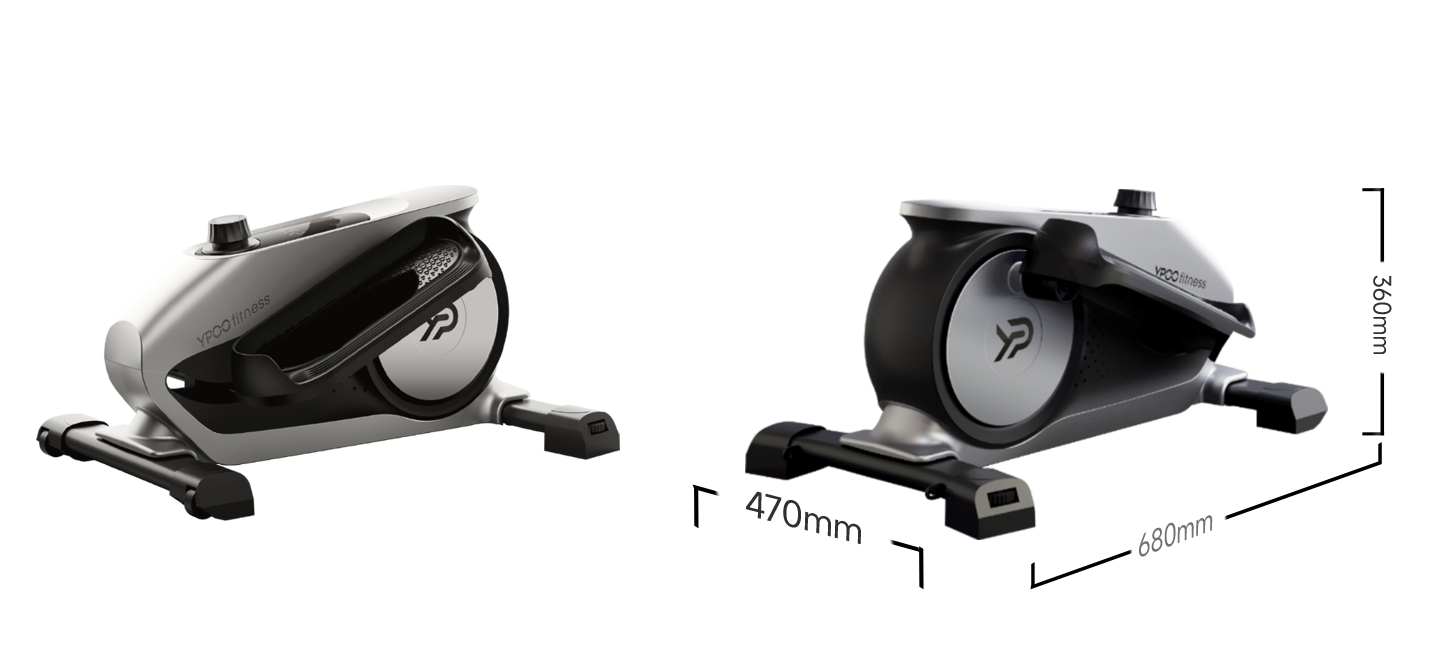
Many walking pad buyers care about storage. Brands should check folded size, folding method, handlebar stability, latch design, transport wheels, handrail height, desktop compatibility, and whether the product can be used under a desk. For models with adjustable handrails or removable desks, test the lock strength, wobble, and daily-use convenience.
If the product will be sold online, simple assembly matters. A good sample should be tested by someone outside the engineering team to see whether the manual, tools, screws, and setup flow are easy enough for normal users.
Customization Inputs Brands Should Prepare
Before requesting a quote, prepare a clear OEM package. Useful inputs include logo files, brand colors, product positioning, target retail price, destination market, plug type, voltage, manual language, warning label requirements, barcode rules, carton design, accessory list, remote control preference, app needs, warranty expectations, and inspection standard.
The more complete the input, the easier it is for the walking pad manufacturer to quote accurately. If the brand sends only a logo and asks for the cheapest price, the factory may quote a basic model that does not fit the market.
Sample Timeline
A simple logo-on-existing-model walking pad sample may take about 7 to 20 days after artwork confirmation, depending on stock, printing method, and packaging needs. A deeper ODM sample can take 30 to 60 days or longer if the project changes structure, console, app, tooling, or packaging. Brands should leave enough time for sample testing, revision, certificate review, and carton confirmation before mass production.
Do not approve a sample after checking appearance only. Run the sample at different speeds, test noise, heat, vibration, remote response, handrail stability, belt tracking, folding movement, display function, and carton protection.
MOQ and Quote Details
MOQ depends on the base model, customization level, logo method, color requirement, manual language, carton design, plug type, accessory changes, and component availability. Ask the supplier to separate base model cost, customization cost, sample cost, mold or setup fee, carton cost, spare-part cost, and inspection cost.
Brands should compare total landed cost, not only EXW unit price. A cheaper walking pad can become more expensive if the carton fails, the motor overheats, the belt drifts, certificates are incomplete, or spare parts are difficult to reorder.
Packaging and Parcel Risk
Packaging is one of the biggest risk areas for walking pad OEM projects. Walking pads are heavy enough to damage weak cartons but compact enough to be shipped through parcel networks. Ask for carton size, gross weight, foam structure, accessory placement, drop-test method, barcode location, shipping marks, manual placement, and loading quantity.
If the product will be sold through e-commerce, request package photos and drop-test details before bulk production. Strong packaging protects margin, reviews, and customer support workload.
Quality Control Checklist
YPOO describes structured treadmill quality control, including drop-test durability, life testing, and salt spray testing. For walking pad OEM projects, brands should build a pre-shipment inspection checklist that includes appearance, assembly, motor function, controller stability, speed accuracy, belt alignment, noise, vibration, heat, remote control, console display, safety key if applicable, handrail lock, folding structure, accessories, labels, manual, carton marks, and spare parts.
Certificates and Market Documents
Certificate needs depend on the destination market and sales channel. Ask whether the exact model has CE, RoHS, FCC, UKCA, or other documents required by your market. Check whether the certificate holder, model number, product photo, and technical file match the walking pad being purchased.
If a supplier says certificates are available, request the files before deposit. If the brand changes motor, controller, plug, console, or structure, ask whether certification must be updated.
Buyer Deliverables Before Mass Production
| Deliverable | What to Confirm | Why It Matters |
|---|---|---|
| Specification sheet | Motor, speed, belt size, max user weight, folded size, carton size | Prevents quote confusion |
| Sample report | Noise, heat, belt tracking, handrail stability, remote and display | Finds problems before bulk order |
| Packaging file | Carton artwork, foam, labels, barcode, manual, accessory placement | Reduces shipping damage |
| QC checklist | Function, appearance, safety, carton, accessories, spare parts | Controls shipment quality |
| After-sales file | Exploded diagram, spare-part list, warranty flow, troubleshooting | Supports customers after launch |
After-Sales and Spare Parts
Before the first shipment, ask the walking pad manufacturer for spare parts and troubleshooting support. Important parts include motor, controller, belt, running board, rollers, remote, display, power cable, handrail parts, screws, safety key if used, and carton parts. Also ask how warranty claims are handled and what proof is needed from customers.
A brand that prepares spare parts before launch can respond faster to service issues and protect customer reviews.
Common Buyer Mistakes
- Choosing the lowest quote before checking motor, controller, belt, and packaging.
- Approving samples by appearance without testing heat, noise, belt tracking, and vibration.
- Requesting customization without confirming MOQ, lead time, and testing needs.
- Ignoring carton strength for parcel delivery.
- Assuming certificates cover every model and every customization change.
- Forgetting spare parts, exploded diagrams, and warranty workflow.
When to Contact YPOO
Contact YPOO when your brand needs help choosing walking pad models, comparing treadmill product lines, planning OEM/ODM customization, reviewing samples, discussing packaging, and preparing wholesale or factory-direct orders. YPOO supports walking pads, home-use treadmills, incline models, and semi-commercial treadmill projects for brands, distributors, gyms, hotels, apartments, and corporate fitness buyers.
You can start from the YPOO treadmill and walking pad page, browse the YPOO treadmill category, or contact YPOO to discuss model selection, samples, MOQ, packaging, and shipment planning.
FAQ
What should brands check first in a walking pad OEM project?
Brands should check product positioning, factory role, motor and controller quality, belt size, folding or handrail structure, customization scope, sample timeline, carton strength, certificates, MOQ, spare parts, and warranty workflow.
How long does a walking pad OEM sample take?
A simple logo-on-existing-model sample may take about 7 to 20 days after artwork confirmation. Deeper ODM projects can take 30 to 60 days or longer depending on structure, console, app, tooling, packaging, and testing requirements.
What customization can a walking pad manufacturer support?
Common OEM options include logo, color, manual, carton, labels, plug, remote control, console sticker, and accessory list. Deeper ODM options may include product appearance, handrail structure, console layout, app functions, motor configuration, belt size, or packaging design.
Can YPOO support private-label walking pad projects?
Yes. YPOO supports walking pad and treadmill OEM, ODM, wholesale, and factory-direct projects, including model selection, logo, color, packaging, manual, samples, QC discussion, MOQ, and shipment planning.
Final Recommendation
A walking pad OEM project should be checked like a product launch, not only a purchase order. Brands that clarify the sales channel, test samples carefully, verify packaging, confirm certificates, and prepare spare parts can reduce after-sales risk and build a more stable product line.
For walking pad manufacturer support, visit the YPOO treadmill page, compare models in the YPOO treadmill category, or contact YPOO for an OEM/ODM discussion.