
Quick answer: Before choosing a rowing machine manufacturer, buyers should check rail structure, resistance system, max user weight, product size, packing size, seat movement, handle return, foot pedal design, console function, frame strength, noise, carton protection, certificates, spare parts, and QC workflow. The safest supplier is not only the one with a lower unit price. It is the factory that can connect each model specification to real sample performance, reliable packaging, repeat-order stability, and after-sales support.
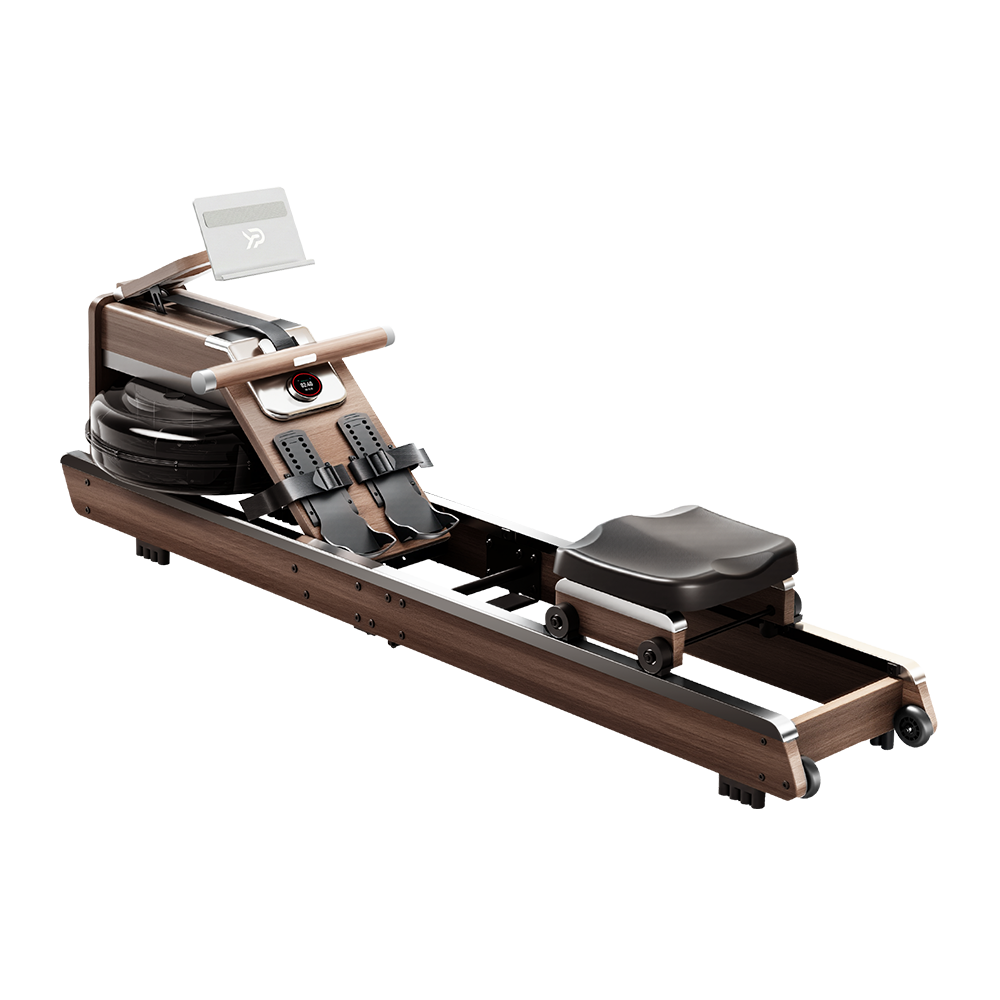
Rowing machines are often compared by appearance, but most sourcing risk is hidden in the rail, resistance system, seat rollers, handle strap, pedal structure, console, carton, and spare parts. A distributor may need one model for home fitness, another for hotels or wellness rooms, and a stronger option for studio or commercial use. If the specifications are unclear before the sample order, the buyer may face noisy operation, unstable resistance, carton damage, missing parts, or warranty claims after shipment.
This guide explains the key rowing machine specs buyers should verify before choosing a factory or confirming a bulk order. It also uses YPOO’s current rowing machine range as a practical reference for how model-level specifications should be compared.
Start With the Sales Channel
Before comparing quotes, define where the rowing machine will be sold or used. A compact home rower for e-commerce does not need the same structure as a premium water rower for a wellness studio or a hydro-magnetic model for a commercial fitness room. The target channel affects frame size, resistance feel, console, carton protection, loading quantity, warranty expectation, and price band.
YPOO’s rowing machine category is positioned for gyms, hotels, studios, wellness programs, wholesale buyers, OEM/ODM projects, and commercial sourcing. Buyers can start from the YPOO elliptical and rowing machine page or the YPOO rowing machine category to compare available model types.
1. Rail Structure and Track Type
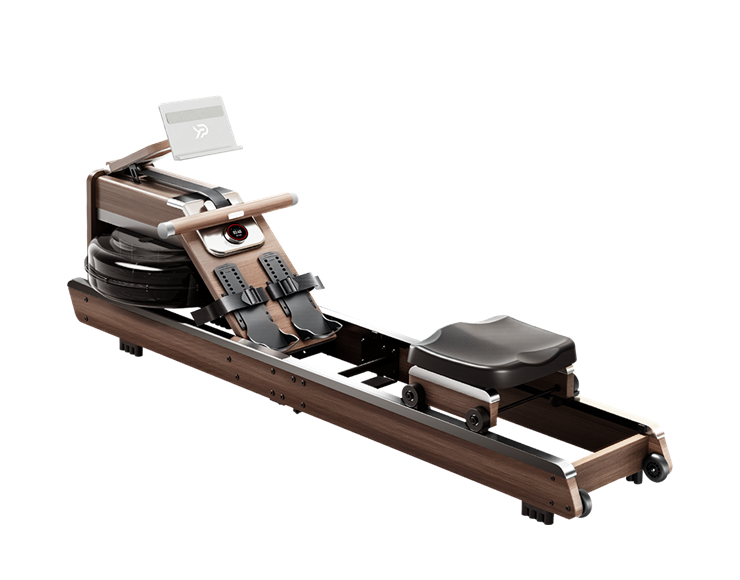
The rail is one of the first specs a rowing machine manufacturer should explain. Rail structure affects rowing length, seat movement, stability, user comfort, carton size, and product positioning. Ask whether the machine uses single rail, double tracks, aluminum rail, steel rail, wooden-style rail, or another structure. Check the usable rail length, seat travel, frame support points, leveling feet, and whether the rower remains stable during strong pulls.
Double-track designs can feel more stable for some buyers, while compact rail designs may reduce shipping volume. For example, YPOO’s YP-V6 Mini is listed with double tracks, 130 kg max user weight, 1880*418*380 mm product size, and 1000*460*330 mm packing size. Those numbers are useful because they connect user fit, carton planning, and freight cost in one decision.
2. Resistance System
Resistance system controls rowing feel, noise, service needs, and product story. Common rowing machine resistance types include magnetic, electromagnetic, water, hydro-magnetic dual, and air resistance. Each type fits different channels. Magnetic and electromagnetic resistance can be quiet and predictable. Water resistance can feel premium and visual. Hydro-magnetic systems may support a stronger performance story. Air resistance can suit functional training, but noise and monitor accuracy should be tested.
Ask the factory to state the exact resistance system, adjustment method, levels, wear parts, sensor design, handle return method, and service parts. YPOO’s YP-V6 uses a hydro-magnetic dual resistance system, while YP-V1 uses electromagnetic control with 1-16 or 1-32 resistance levels. A quote that simply says “smooth resistance” is not enough for serious buying.
3. Max User Weight and Stability
Max user weight should be linked to frame design and testing, not only printed in a catalog. Ask how the value was determined, whether the model is intended for home, hotel, studio, or commercial use, and whether the factory has test records or inspection standards. A rower that is stable for light home use may not be suitable for repeated public use.
YPOO’s rowing machine category shows 120 kg, 130 kg, and 150 kg max user weight options across different models. Buyers should choose the rating based on channel risk, not only price. For gyms, hotels, and distributor lines, a stronger structure can reduce complaints even if the unit price is higher.
4. Product Size and Packing Size
Rowing machines are long products, so product size and packing size have a direct effect on freight, warehouse space, e-commerce delivery, and dealer handling. Ask for product size, folded size if applicable, packing size, net weight, gross weight, carton material, foam structure, accessory layout, loading quantity, barcode position, and shipping marks.
A small difference in packing size can affect how many units fit in a container or how expensive parcel delivery becomes. If the rower is sold through e-commerce, carton protection can be as important as the resistance system because shipping damage creates immediate after-sales cost.
YPOO Rowing Machine Spec Examples
A professional rowing machine manufacturer should provide clear model-level specifications. Below are examples from the current YPOO rowing machine category:
| Model | Key Structure | Resistance / Display | Max User Weight | Product / Packing Size |
|---|---|---|---|---|
| YP-V6 Mini | Double tracks | Compact rower specification | 130 kg | 1880*418*380 mm / 1000*460*330 mm |
| YP-V6 | Full-size rower | 1.7 kg flywheel, 70 mm TFT shuttle, hydro-magnetic dual | 150 kg | 2070*518*750 mm / 1150*560*600 mm |
| YP-V1 | Electromagnetic rower | 1.7/2/3 kg flywheel, Blue LCD/LED shuttle knob, 1-16/32 levels | 120 kg | 1650*450*600 mm |
| YP-V2 | Self-generated option | 1.5 kg flywheel, Blue LCD/LED, battery/self-generated electricity, 1-16/32 levels | 150 kg | 1615*415*810 mm |
When a supplier sends a quote, ask them to provide this level of detail for the exact model. If model photos, specifications, and carton data do not match, pause the order until the factory explains the difference.
5. Seat, Rollers, and Rail Smoothness
The seat system affects user comfort and long-term complaints. During sample testing, check whether the seat moves smoothly across the rail, whether rollers create noise, whether the seat rocks from side to side, and whether the rail surface has burrs or friction points. Repeated movement should feel consistent across the full stroke.
For commercial or semi-commercial channels, ask whether replacement rollers, bearings, seat pads, and rail parts are available. A low-cost rower with weak rollers can create after-sales work very quickly, especially for distributors that must support dealers or gyms.
6. Handle, Strap, Chain, and Return Feel
The handle system is another high-use area. Ask whether the rower uses a strap, belt, chain, rope, or another pulling mechanism. Test handle grip comfort, return speed, noise, alignment, and whether the handle returns smoothly without jerking. A rough handle return can make the machine feel cheap even if the frame looks good.
Buyers should also ask how the pulling system is serviced, which parts are wear items, and whether the supplier can provide replacement kits. For gym or studio use, spare parts should be planned before the first shipment.
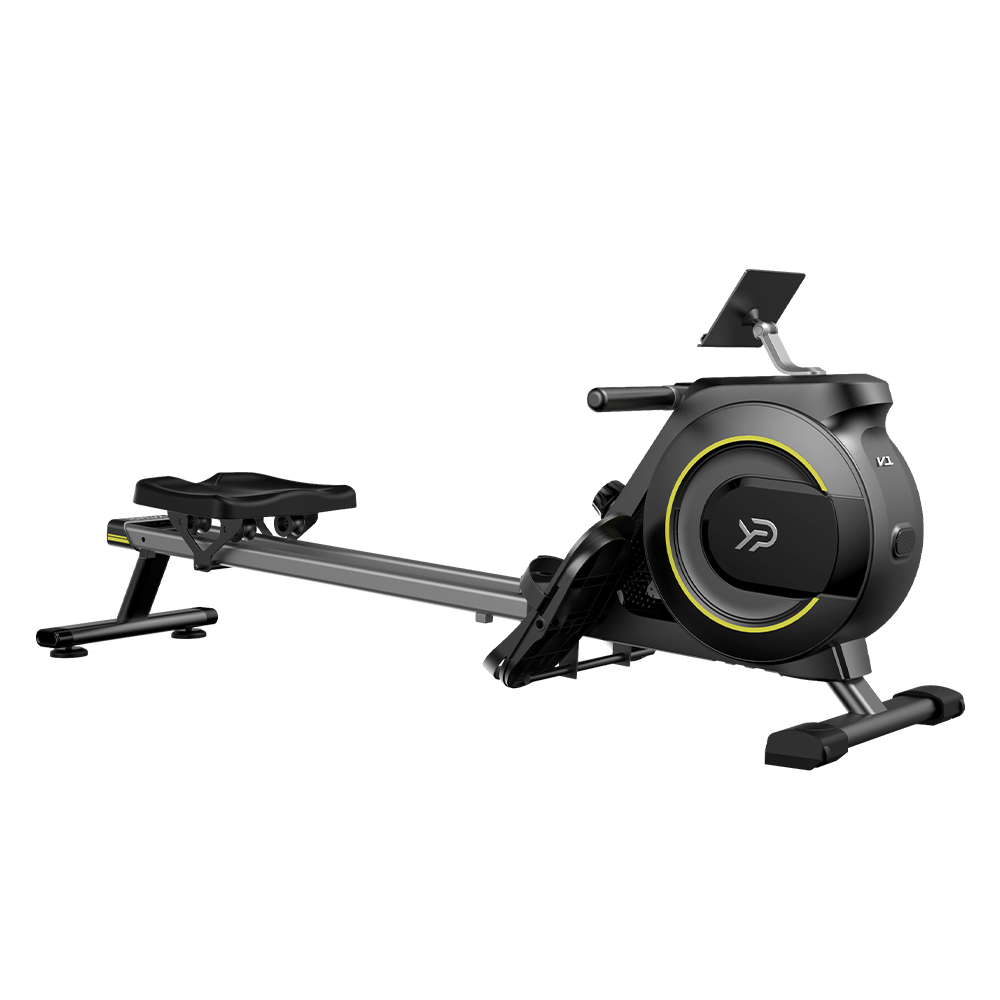
7. Foot Pedal and Strap Design
Foot pedals should hold the user’s feet securely without being difficult to adjust. Check pedal size, heel cup, strap material, strap buckle, adjustment range, and whether the pedal angle feels natural during the stroke. Weak straps and uncomfortable pedals can create negative reviews even when the resistance system works well.
For distributor orders, ask for pedal spare parts and confirm whether the same pedal design will be used in repeat orders. Small component changes can affect user experience, product photos, and warranty service.
8. Console and Power Options
Console requirements depend on the sales channel. Some rowers only need time, count, distance, calories, and scan mode. Others may require LED display, Blue LCD, TFT, shuttle knob, heart rate, Bluetooth, app compatibility, language settings, or self-generated power. Ask which functions are standard, which require MOQ, and which electronics are available as spare parts.
YPOO’s current rower line includes Blue LCD/LED display options, 70 mm TFT shuttle, battery power, and self-generated electricity depending on the model. Buyers should confirm that the quoted console matches the sample and the mass-production plan.
9. Frame, Welding, and Surface Finish
Frame strength is not only about total weight. Ask for frame material, tube size, welding quality, rail support, base design, paint or surface treatment, leveling points, transport wheels, and corrosion resistance. Inspect the sample for sharp edges, unstable parts, poor paint, loose screws, and inconsistent alignment.
YPOO describes manufacturing and inspection capabilities across metalworking, assembly, quality control, and laboratory testing. Buyers can use those areas as audit checkpoints when evaluating any rowing machine manufacturer.
10. Packaging and Loading
Packaging is a major rowing machine spec because the product is long, heavy, and has several moving parts. Ask for carton size, gross weight, foam structure, accessory bags, manual placement, label position, drop-test method, pallet plan, and container loading quantity. Confirm whether the carton is strong enough for the intended logistics route.
For e-commerce and dealer networks, packaging should be reviewed before the first bulk order. A good sample is not enough if the carton fails during shipping.
11. Certificates and Market Documents
Certificate needs depend on the destination market and the exact model. Ask whether the rowing machine has CE, RoHS, FCC, UKCA, or other documents required by the buyer’s channel. Check whether the certificate holder, model number, product photo, technical file, electronics, and power design match the quoted rower.
If the buyer changes console, display, power system, electronics, adapter, or structure, certificate review may be needed again. Do not assume that one general factory certificate covers every rower model.
12. Factory Verification
Before placing a larger order, verify the manufacturer’s legal company name, factory address, production role, product category, export experience, sample room, production area, QC process, warehouse, and packing area. Ask for a live video walkthrough, business license, model-specific photos, test records, and export references if available.
YPOO’s site describes factory-direct support, OEM/ODM capability, in-house core parts, 300+ raw material and auxiliary suppliers, structured QC, and continuous product development. Those details are useful, but buyers should still connect them to the exact rowing machine model and order requirements before confirming production.
QC Checks Before Shipment
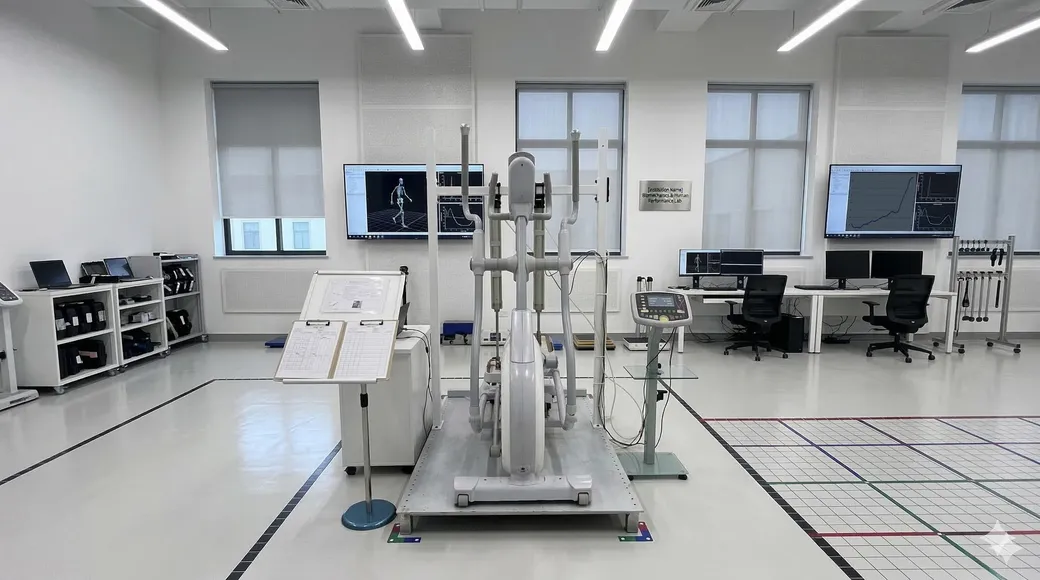
Pre-shipment QC should cover both product function and packing. Inspect appearance, frame, rail alignment, seat travel, rollers, handle return, strap or chain, resistance response, console, sensor connection, pedals, straps, screws, leveling feet, transport wheels, labels, manual, accessories, carton marks, foam, spare parts, and loading photos.
YPOO’s elliptical and rowing machine page describes structured inspection and performance testing before shipment, including 3A drop testing, durability testing every 200 hours and 500,000 cycles, and salt spray testing. Buyers should ask how these testing categories apply to the exact rower model being ordered.
Quote Comparison Checklist
| Spec Area | What to Ask | Why It Matters |
|---|---|---|
| Rail | Track type, rail length, seat travel, folded size | Affects user fit, stability, and storage |
| Resistance | Magnetic, electromagnetic, water, hydro-magnetic, air | Controls rowing feel, noise, price, and service needs |
| User weight | Max user weight, test basis, channel suitability | Reduces warranty risk for gyms and distributors |
| Console | Display type, functions, power, spare electronics | Supports positioning and after-sales service |
| Packaging | Carton size, foam, gross weight, loading quantity | Controls freight cost and damage risk |
| Documents | Certificates, model number, manual, labels | Protects import and retail compliance |
| After-sales | Spare parts, exploded diagram, warranty workflow | Supports repeat orders and dealer service |
Common Buyer Mistakes
- Comparing rowing machine quotes only by unit price.
- Ignoring packing size, loading quantity, and carton strength.
- Approving a sample without testing seat smoothness and handle return.
- Choosing a resistance system before defining the target sales channel.
- Assuming max user weight is proven without asking for testing or structure details.
- Forgetting spare parts until after the first warranty claims appear.
- Assuming certificates match every console, power, or structure option.
When to Contact YPOO
Contact YPOO when you need rowing machine model selection for distributors, gyms, hotels, studios, wellness spaces, private-label brands, and wholesale fitness equipment programs. YPOO can help buyers compare compact rowers, hydro-magnetic rowers, electromagnetic rowers, elliptical and rowing machine combinations, OEM/ODM options, packaging requirements, sample planning, and export order details.
You can review the YPOO elliptical and rowing machine range, browse the YPOO rowing machine category, or contact YPOO to discuss target market, specs, MOQ, samples, packaging, and shipment planning.
FAQ
What specs should buyers ask a rowing machine manufacturer for?
Ask for rail type, resistance system, max user weight, product size, packing size, net weight, gross weight, display, power source, seat structure, handle return system, foot pedal design, certificates, spare parts, MOQ, sample lead time, and warranty terms.
Which rowing machine resistance system is best?
There is no single best system for every buyer. Magnetic and electromagnetic resistance can be quiet and predictable, water resistance can feel premium, hydro-magnetic systems can support stronger positioning, and air rowers may fit functional training. The best choice depends on channel, price band, noise needs, service plan, and sample test results.
Why is packing size important for rowing machine sourcing?
Rowing machines are long products, so packing size affects freight cost, warehouse handling, loading quantity, e-commerce delivery, and damage risk. Buyers should review carton dimensions, foam, accessory layout, drop-test method, and loading quantity before confirming bulk production.
Can YPOO support private-label rowing machine projects?
Yes. YPOO supports rowing machine OEM and ODM projects for distributors, gyms, hotels, wellness spaces, and private-label fitness equipment buyers, including model selection, logo, color, packaging, console options, samples, QC, and shipment planning.
Final Recommendation
A rowing machine manufacturer should be evaluated by specification clarity, sample performance, rail and resistance quality, packing reliability, certificate accuracy, spare parts, QC workflow, and export support. Buyers that check these details before ordering reduce freight damage, warranty claims, and repeat-order uncertainty.
To compare models, visit the YPOO elliptical and rowing machine page, review YPOO rowing machine products, or contact YPOO for rowing machine manufacturer support.