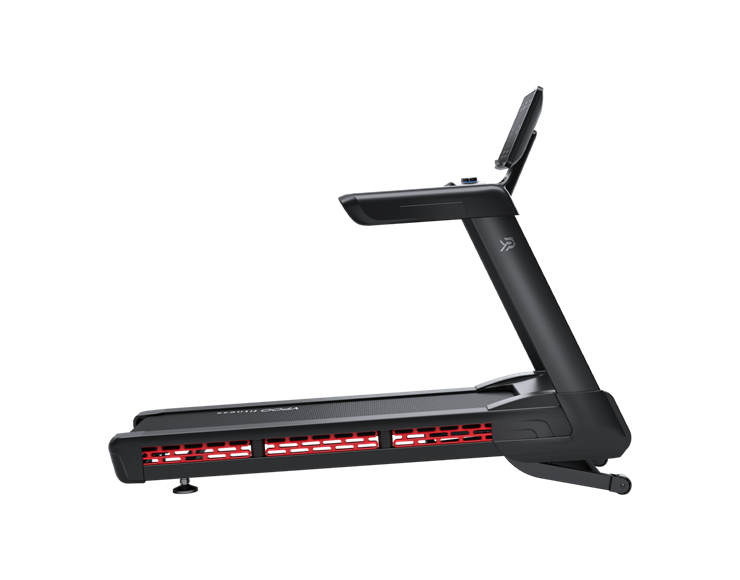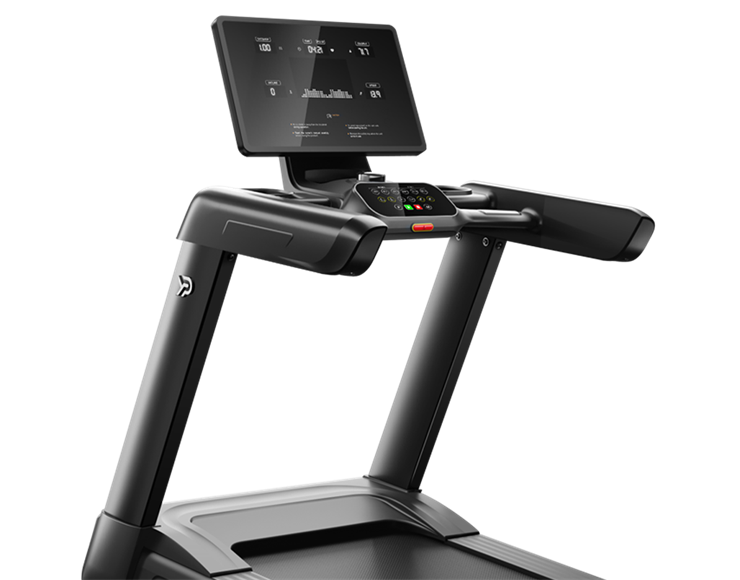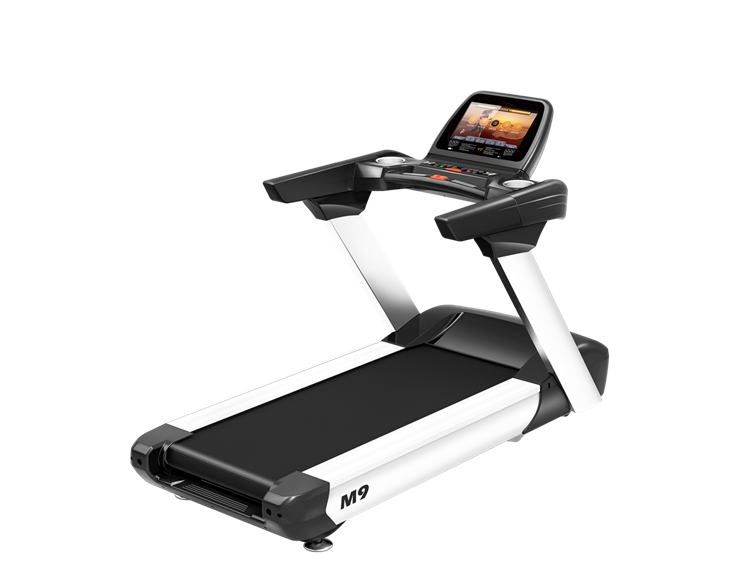

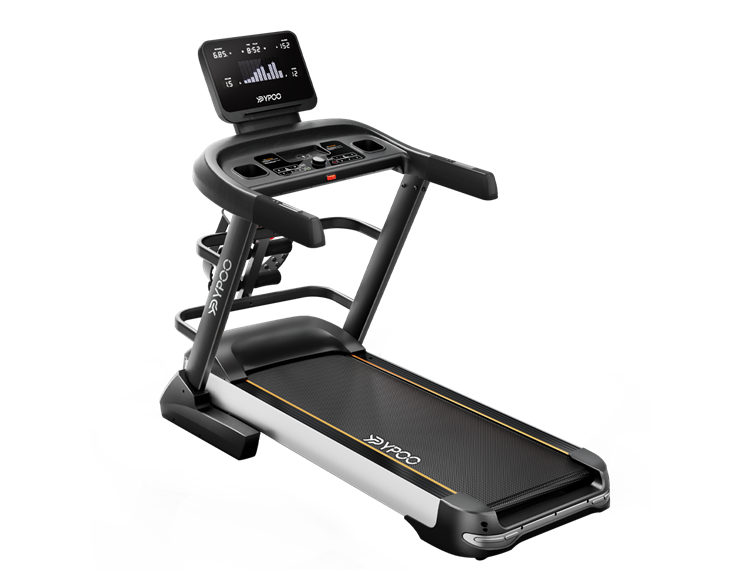
A treadmill quote lands in your inbox. The price looks good. The photos look even better. So, should you place the order?
Not quite yet. In treadmill wholesale, the purchase is only the beginning. You still need stock that fits your market, a delivery plan that works, and parts support when customers call. A small detail missed today can become a bigger problem after shipment.
This guide walks through seven things to know before buying treadmills in bulk. It is written for importers, distributors, fitness retailers, private-label brands, and facility buyers. We will focus on purchase decisions, with YPOO examples where they help make the questions concrete.
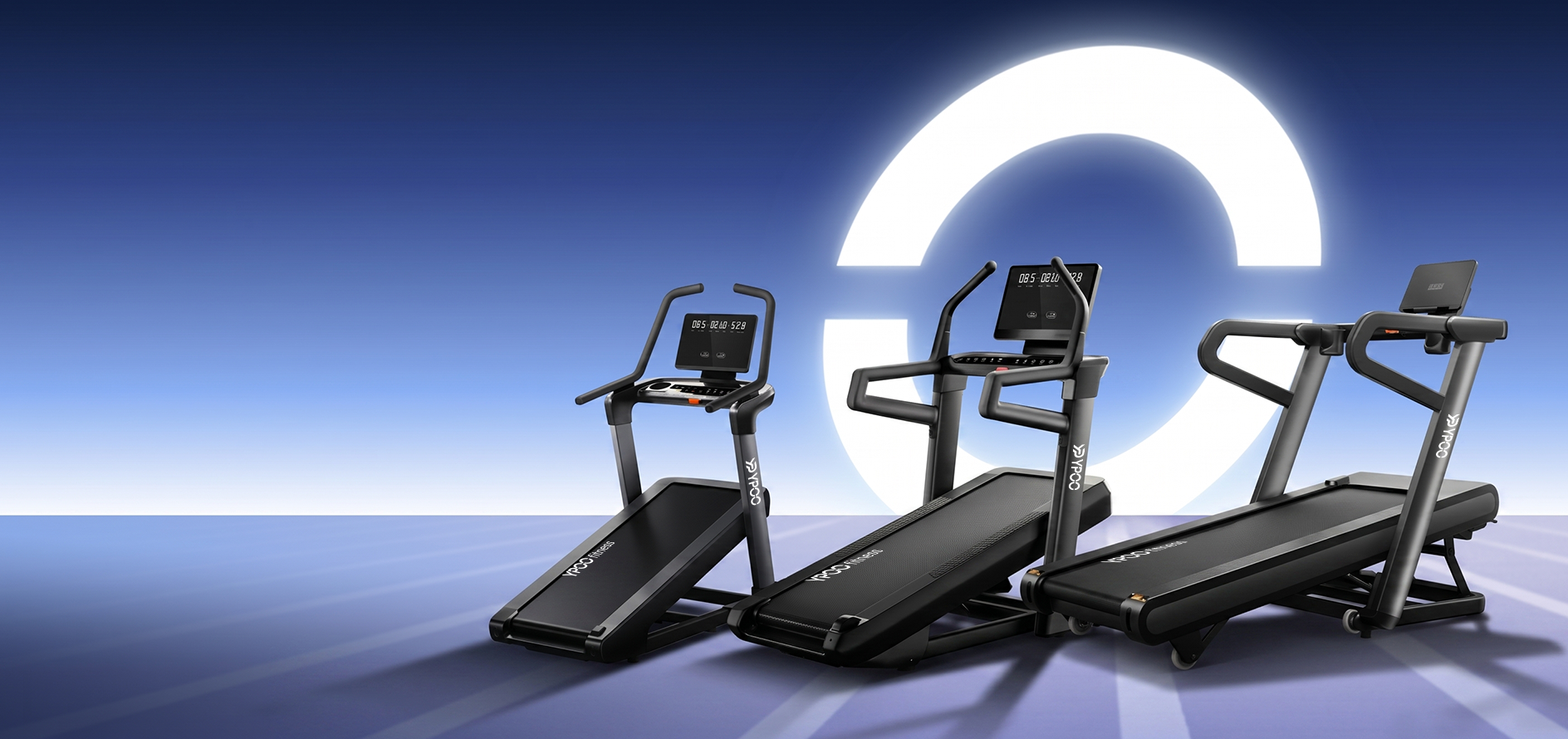
What Does Treadmill Wholesale Mean for B2B Buyers?
Treadmill wholesale means purchasing machines in quantity for resale, distribution, or business installation. The supplier may be a manufacturer, a trading company, or an authorized distributor. Those routes can offer different order sizes, customization choices, and service arrangements.
Buying directly from a factory does not automatically make every order cheaper. Buying through a distributor does not automatically remove your support responsibilities. Start by deciding which tasks your business can handle. Then choose a supplier arrangement that fills the gaps.
1. Match Your Wholesale Treadmill Order to Your Sales Channel
Before asking for a price, explain who will buy or use the machines. An online retailer serving households needs a different product program from a hotel installer or gym-equipment dealer.
For household resale, consider assembly, storage, carton handling, and easy-to-understand controls. For facility installation, focus on approved usage, service access, and a workable repair process. A home treadmill with an impressive motor claim is not automatically suitable for a busy gym.
Keep your opening range focused. Two clearly differentiated models can be easier to explain than five nearly identical ones. Give each model a role: a straightforward home option, an incline-focused step-up, or a shared-use candidate.
YPOO’s YP-M5945, for example, lists a 45-by-126-cm belt, speeds up to 16 km/h, and a 120-kg user limit. Those facts help position a home-use range. They do not prove commercial duty.
2. Confirm MOQ, Model Mix, and Reorder Terms
There is no universal minimum order quantity for treadmill wholesale. Ask about the minimum for each model, each color, and each custom configuration. A mixed-model shipment may have different rules from a single-model order.
Do not buy extra units only to reach a better price tier. Work out how much stock you can sell and store. Include the cash needed for freight, local delivery, marketing, and service before deciding the quantity.
Ask about the second order, too. Can you reorder the same console and motor? What happens if a component changes? Will a repeat order need another sample approval?
Get the sample policy and any credit arrangements in writing. If you want to start smaller, ask what can change: quantity, customization, or model mix. Do not assume the supplier offers low-MOQ production until the quotation confirms it.
3. Compare Treadmill Wholesale Prices on the Same Cost Basis
A unit price is useful only when you know what it includes. One quote may cover factory pickup. Another may include export handling and freight. Putting those numbers side by side can hide the real difference.
Build a simple delivered-cost sheet. Include equipment, approved customization, packaging, inspection, freight, import charges, local transport, and an initial spare-parts allowance. Add installation if your customer expects it.
Specify the trade term, named place, and version, such as Incoterms® 2020. These rules allocate delivery obligations, costs, and risks. They do not replace your payment, quality, or warranty agreement. Use the ICC’s official comparison chart with your logistics adviser to clarify responsibilities.
Then check margin using the actual expected selling price, not an optimistic list price. Leave room for promotions, returns, and support. Our factory-direct treadmill cost guide explores that calculation in more detail.
4. Lock the Exact Treadmill Configuration Before Paying a Deposit
A model name is not a complete specification. The same product family may offer different motors, screens, plugs, or control options. Put the selected configuration on the quotation and purchase order.
Record motor type, power-rating basis, running belt dimensions, speed, incline, user limit, console, voltage, and included accessories. Incline levels are not percentage grades. Peak horsepower is not continuous horsepower.
For example, YPOO’s YP-GTS6-B lists BLDC 1.5/1.75 CHP or AC 1.5 CHP motor options. It also lists a 52-by-136-cm belt and a 150-kg user limit. Confirm which motor your order includes rather than treating every listed option as standard.
For private-label orders, approve logo placement, artwork, units, manual language, and carton labels. Ask which changes affect testing or production time. Keep a dated specification sheet so everyone works from the same version.
5. Approve a Sample and Define Bulk-Order Acceptance Checks
A good product video helps you shortlist. It cannot replace checking a representative sample. The sample should match the configuration you intend to buy, including packaging and instructions where possible.
Test normal setup and operation. Check controls, safety-key behavior, belt tracking, incline movement, and accessible adjustments. Review the assembly process as a customer would. If instructions are confusing, fix them before bulk production.
Next, agree on what the pre-shipment inspection will cover. Define the inspection scope, reporting, acceptance criteria, and process for correcting failed checks. Arrange this before the final payment milestone, not after a problem appears.
Ask for model-specific compliance evidence for your destination and sales channel. A general factory certificate may not cover your chosen configuration. Have qualified compliance support review the documents where needed.
6. Plan Packaging, Loading, and Delivery Before Production
Treadmills are awkward cargo. They are heavy, bulky, and expensive to return. Packaging and handling should be part of the purchase discussion from the start.
Ask for carton dimensions, gross weight, loading quantity, and the proposed protection method. Confirm whether the packing is suitable for your route and any onward parcel or dealer delivery. A container shipment and a last-mile delivery can expose the product to different handling.
Separate production-ready date, departure, arrival, customs release, and final delivery. Ask what triggers the production clock: deposit, artwork approval, or sample sign-off. Build your launch schedule around the complete route rather than the factory lead time alone.
7. Agree on Warranty, Spare Parts, and Local Service
A warranty sentence is not an after-sales plan. Ask what is covered, what is excluded, and how a claim is approved. Clarify who pays for replacement parts, shipping, and local labor.
For facility orders, get written confirmation of permitted use and any operating limits. A user-weight rating does not tell you how many hours a machine can run each day.
Request a model-specific parts list and recommended opening stock. Discuss controllers, safety keys, belts, and other service items with the supplier. Confirm identification codes and what happens when a component is revised.
Finally, decide who supports the customer locally. Give that team installation guidance, troubleshooting material, and a claim checklist. Photos, serial numbers, and fault details can help avoid repeated messages. A clear workflow is easier to manage than improvising repairs after the first shipment.

How to Request a Useful Treadmill Wholesale Quote from YPOO
Send your destination market, sales channel, intended usage, target quantity, price range, and preferred models. Add branding requirements, compliance needs, and delivery destination. Ask for MOQ, confirmed configuration, sample terms, packaging, lead time, and after-sales responsibilities.
YPOO’s catalog includes home and semi-commercial options. Ask our team which configuration fits your brief. For deeper own-brand planning, see our custom treadmill manufacturing guide. Model availability and commercial terms need confirmation in a current quotation.
FAQs
What is the minimum order for treadmill wholesale?
MOQ depends on the supplier, model, configuration, and customization. Ask for model-specific minimums and mixed-order rules. There is no single quantity that applies to every wholesale treadmill purchase.
Can I put my own brand on wholesale treadmills?
Ask the manufacturer about model-specific branding options. Confirm artwork, packaging, manuals, minimum quantities, and any testing changes before approval. Do not assume every supplier or model supports private-label production.
What should I confirm before paying a treadmill supplier?
Confirm supplier identity, configuration, sample approval, inspection terms, payment milestones, packaging, compliance evidence, delivery responsibilities, and warranty support. Keep those details in the written order documents.