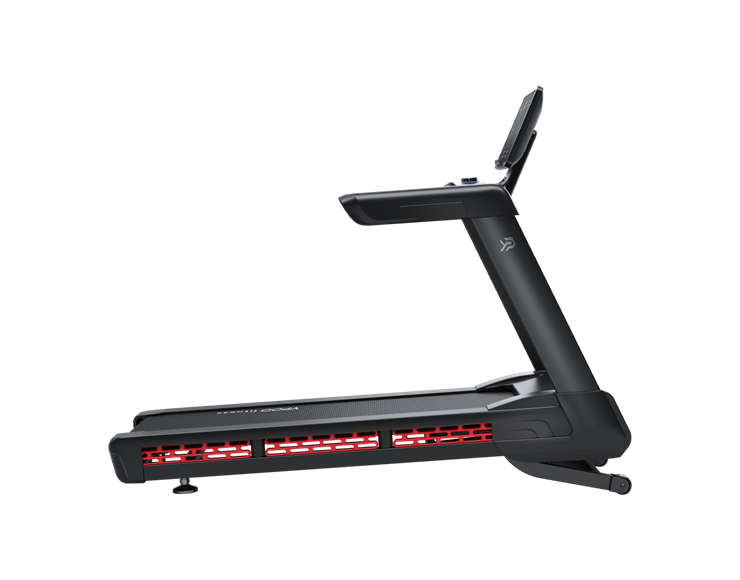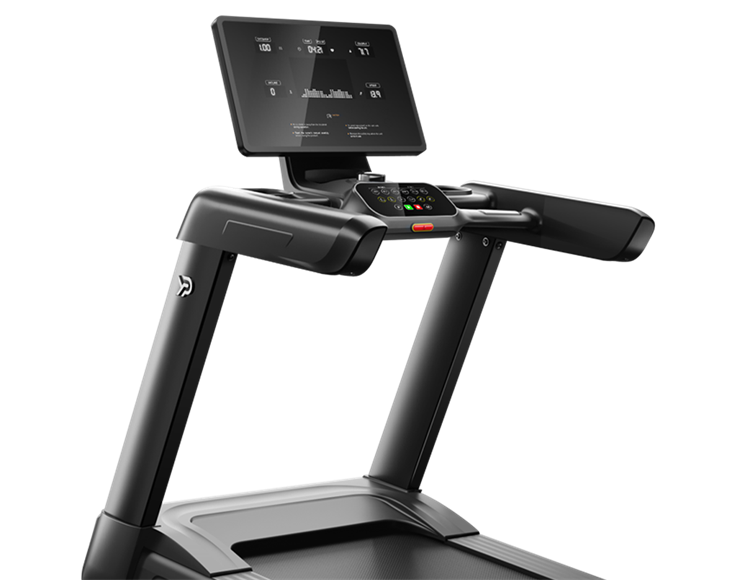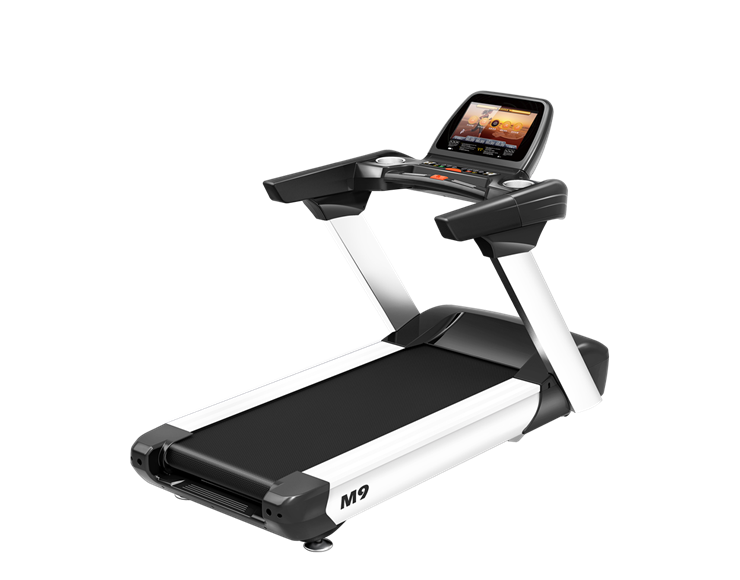


Looking for a reliable fitness equipment factory? A polished catalog and a low price tag are not enough to guarantee success.
You need proof that the supplier is legitimate, actually owns their production line, and maintains strict quality control. Verifying licenses, checking real-world samples, and setting clear contract terms upfront saves you from major shipping headaches down the road.
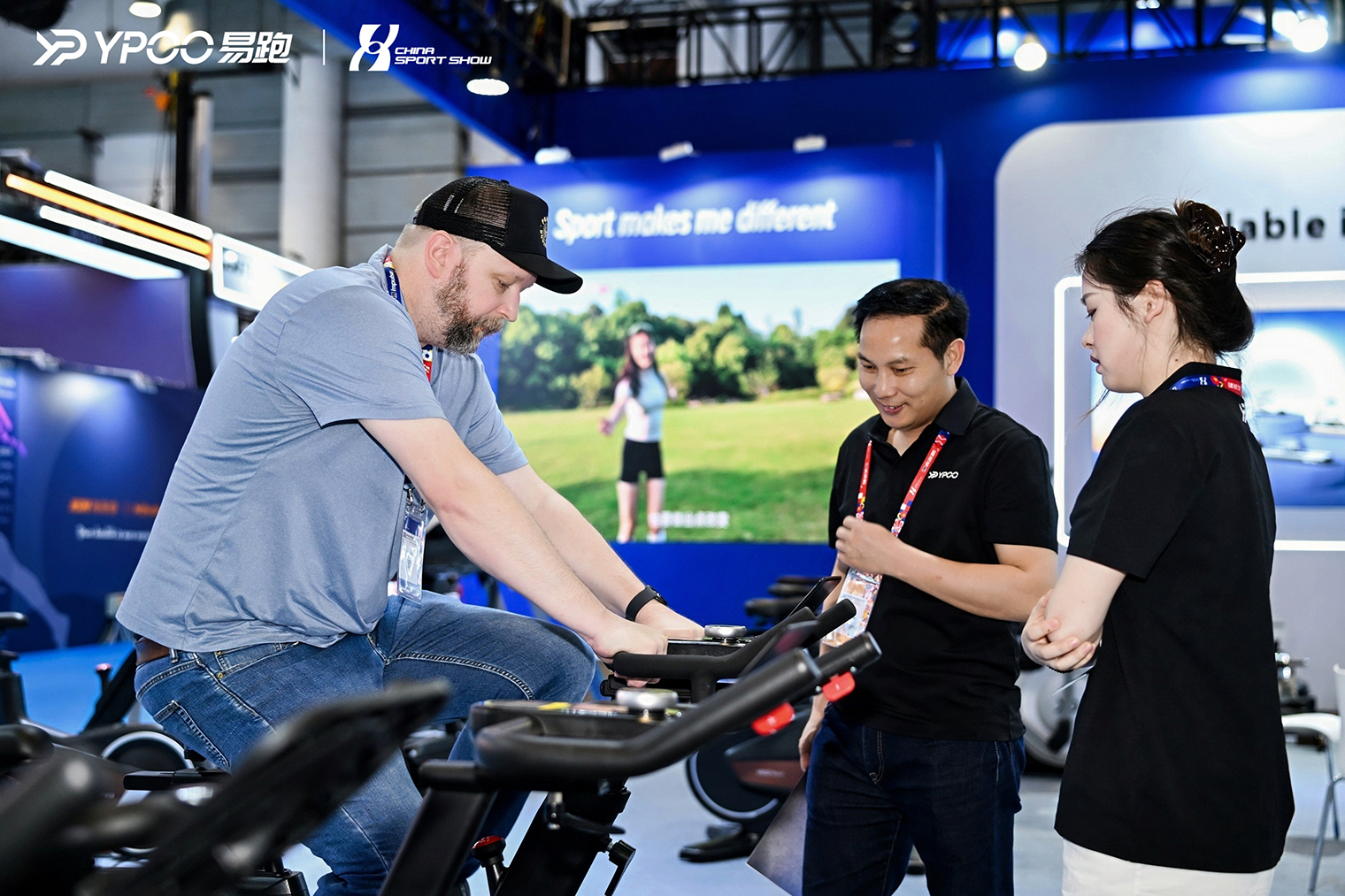
What Makes a Fitness Equipment Factory Reliable?
Reliability means repeatedly delivering an approved product, not merely producing one good sample. The supplier should control specifications, purchasing, production, inspection, packaging, traceability, changes, complaints, and spare parts.
Do not use one certificate or factory video as a pass-or-fail shortcut. Build a body of evidence and confirm that the legal entity, site, products, reports, contract, invoice, and payment beneficiary all belong to a coherent business relationship.
10 Steps to Choose a Reliable Fitness Equipment Factory
1. Verify the Legal Company and Factory Location
Request the business registration, registered address, factory address, export entity, and bank details. Match these against the quotation, contract, website, email domain, and product documents. If different companies are involved, ask for a written explanation of their roles.
Use independent sources for high-value orders. The U.S. International Trade Administration advises due diligence when selecting overseas partners to reduce exposure to loss, liability, and fraud.
2. Confirm What the Factory Actually Manufactures
A supplier may manufacture treadmills but source exercise bikes, rowing machines, consoles, or accessories from partners. That is not automatically a problem, but the buyer should know who controls engineering, incoming inspection, assembly, testing, and warranty decisions.
Ask for a live walkthrough from material receiving through metalwork, welding, coating, assembly, testing, packing, and release. Compare the process and records with the quoted product line.
3. Match the Product Line to Your Market
A broad catalog does not prove that every model fits. Define users, environment, duty level, price position, electrical configuration, language, space, and service conditions. Ask the factory to recommend a limited model set and explain each choice.
Check whether warranty coverage permits your intended use. Equipment designed for home use may not be appropriate for hotels, apartments, schools, studios, or commercial gyms, even when its appearance is similar.
4. Freeze Specifications and Test a Representative Sample
Turn claims into written specifications covering dimensions, weight, user capacity, materials, drive or resistance system, console, components, finish, accessories, labels, and packing. A sales name may cover different configurations.
Test a representative sample for stability, ergonomics, function, noise, controls, assembly, maintenance access, finish, labeling, and carton protection. Record the approved hardware, firmware, artwork, and packaging as the reference for mass production.
5. Review the Quality Management System
An ISO 9001 certificate can support a quality-system review, but it is not product approval and does not guarantee that every shipment will conform. Verify the certified company name, address, scope, standard version, certification body, accreditation, status, and expiry. IAF CertSearch provides a way to check certification information in its global database.
Go beyond the certificate. Review control of drawings, suppliers, materials, work instructions, measuring equipment, training, nonconforming products, corrective actions, and complaints. Request recent records for similar products.
6. Verify Safety and Compliance by Exact Model
The current ISO 20957-1 standard covers general safety requirements, testing, and classification for stationary training equipment, while additional standards and destination-market rules may apply. Ask for reports, declarations, labels, and manuals that identify the exact model and relevant configuration.
Do not accept a generic certificate folder as proof. Check the legal manufacturer, laboratory or issuing body, standard, report date, photos, ratings, console, plug, and model list. Confirm how hardware or firmware changes are reviewed before production. European buyers can use the CE fitness equipment document checklist as a starting point.
7. Check Production Capacity and Change Control
Capacity claims should match lines, shifts, staffing, tooling, suppliers, test stations, and recent output. Request a schedule covering materials, pilot production, mass production, inspection, and loading.
Require approval before the factory changes critical components, materials, suppliers, software, labels, or packaging. A reliable factory records revisions and can trace which configuration was used in each batch.
8. Audit Quality Control Records
Review incoming inspection, first-article approval, process checks, functional and safety tests, appearance criteria, relevant endurance testing, final inspection, and release authorization. Records should identify the batch, criteria, result, inspector, and response to failures.
Agree on an inspection plan before paying the deposit. Define sampling, critical defects, functional checks, cosmetic limits, labels, accessories, carton condition, and reinspection responsibilities. Independent pre-shipment inspection can provide another control point but does not replace a capable factory system.
9. Inspect Packaging and Loading Controls
Fitness equipment is heavy, irregular, and vulnerable to impact, moisture, abrasion, and missing parts. Review carton dimensions, gross weight, internal supports, hardware bags, manuals, handling marks, pallet requirements, drop or transport tests where appropriate, and container-loading plans.
Run a packed-sample review before mass production. Calculate loading quantity from verified carton data and check destination warehouse or parcel-network limits. Packaging errors can erase a unit-price saving through damage, repacking, claims, and delayed sales.
10. Confirm Warranty, Spare Parts, and Corrective Action
Compare warranty terms by intended use, component, period, labor responsibility, freight, exclusions, and claim procedure. Ask for a recommended spare-parts package, parts pricing, exploded diagrams, maintenance instructions, troubleshooting support, and expected availability period.
Request an example of how the factory handled a recurring defect. Reliable partners contain the issue, identify affected batches, analyze root cause, implement corrective action, verify effectiveness, and communicate clearly instead of replacing a few parts without preventing recurrence.
Red Flags When Evaluating a Fitness Equipment Factory
- The company refuses a live walkthrough or independent audit without a reasonable cause.
- The quotation, certificate, contract, and bank beneficiary show unrelated entities.
- Specifications change when technical questions become detailed.
- One test report is presented as covering many visibly different models.
- The factory cannot provide recent inspection or corrective-action records.
- MOQ, lead time, and customization promises are unusually flexible but undocumented.
- Warranty language omits intended use, labor, freight, or claim responsibilities.
A single warning sign may have a reasonable explanation. Several unresolved inconsistencies indicate that the buyer should pause, request independent verification, or choose another supplier.
Choose a Factory That Can Repeat the Approved Result
The best fitness equipment factory is not the one that makes the strongest sales presentation. It is the one that can show consistent control from specification and materials through testing, packing, shipment, and corrective action. Use evidence, samples, records, and written agreements to make that judgment.
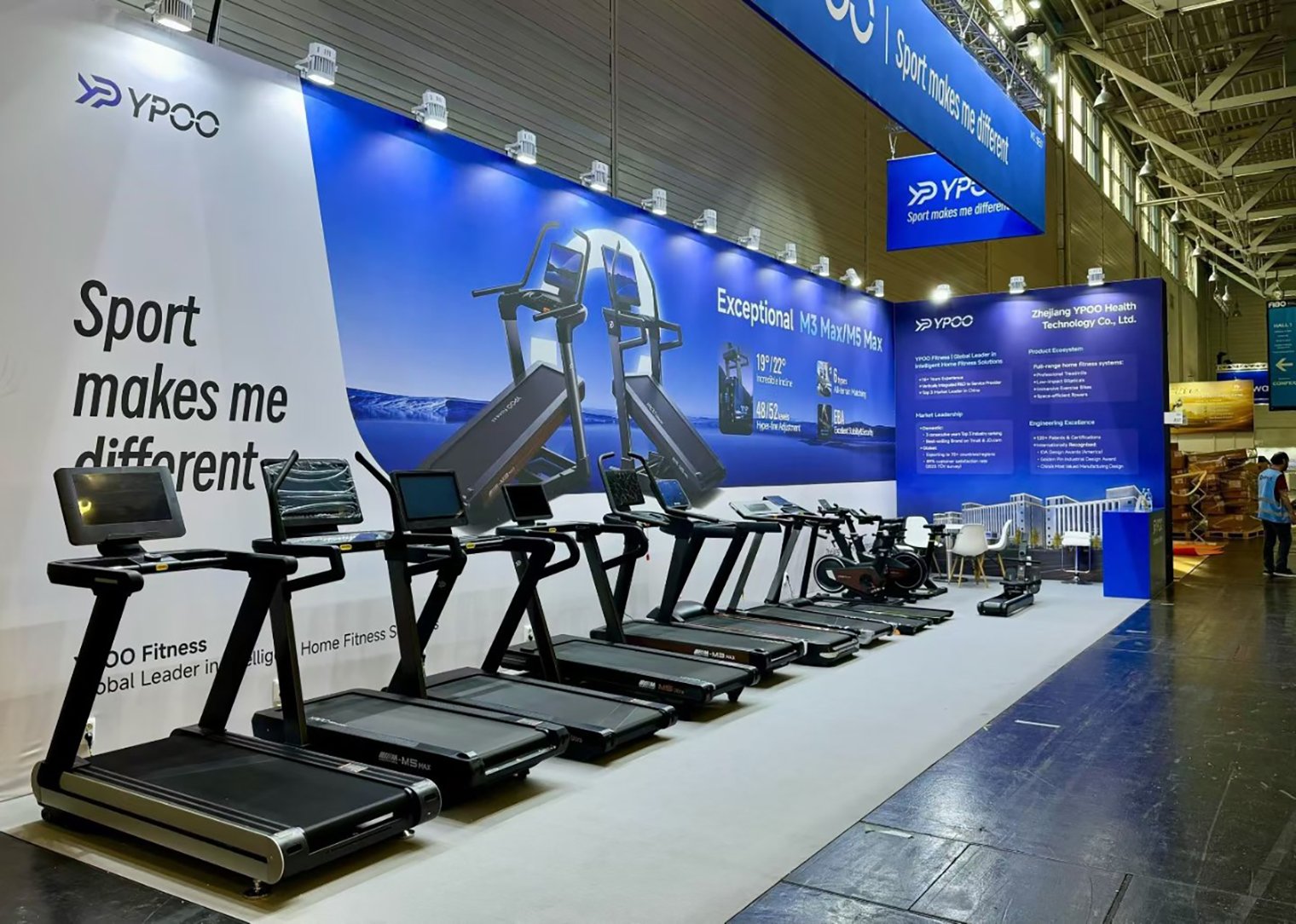
YPOO supports international B2B buyers with cardio and fitness equipment selection, OEM options, product information, packing data, and project quotations. Explore the YPOO product range or contact YPOO with your target products, quantities, destination market, and verification requirements.
This article provides general procurement information and does not replace legal, compliance, engineering, customs, or professional audit advice.
FAQ
How Do I Know if a Fitness Equipment Factory Is Legitimate?
Verify its legal registration, addresses, contract entity, bank beneficiary, factory activity, staff, production records, and third-party certifications. Use independent company checks and an audit for orders with meaningful financial or compliance risk.
Should a Fitness Equipment Factory Have ISO 9001 Certification?
ISO 9001 certification can be useful evidence of a quality management system, but buyers should verify its validity and scope and review how the system operates. It is not a substitute for product testing, compliance evidence, sample approval, or shipment inspection.
What Should I Check During a Fitness Equipment Factory Audit?
Check legal identity, manufacturing processes, material control, work instructions, measuring equipment, staff training, inspection records, nonconforming-product control, testing, packaging, traceability, capacity, corrective actions, and after-sales support.
Is the Cheapest Fitness Equipment Factory the Best Choice?
No. Compare total landed cost and risk, including quality, freight, duties, inspections, damage, delays, warranty labor, spare parts, and downtime. A slightly higher unit price can be economical when it reduces failures and service cost.
Should I Visit the Factory Before Ordering?
A visit or independent audit is advisable when order value, customization, compliance exposure, or repeat-order importance is high. For early screening, a structured live walkthrough and document review can identify issues before travel or sample approval.