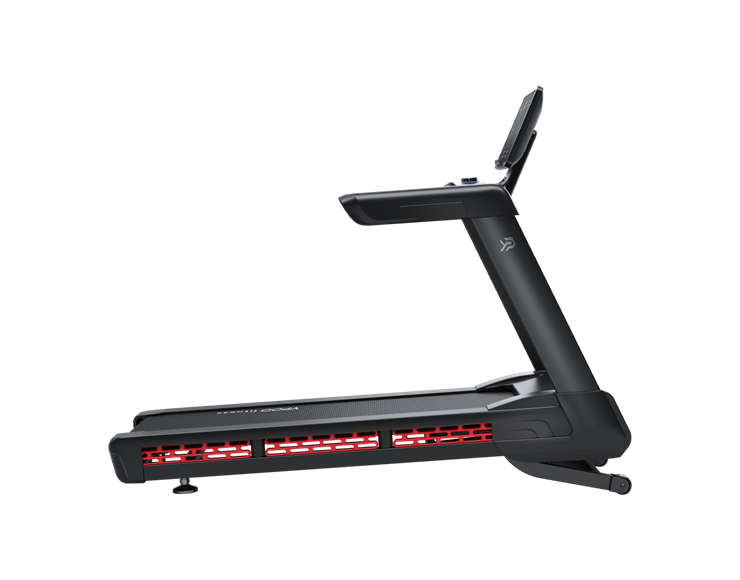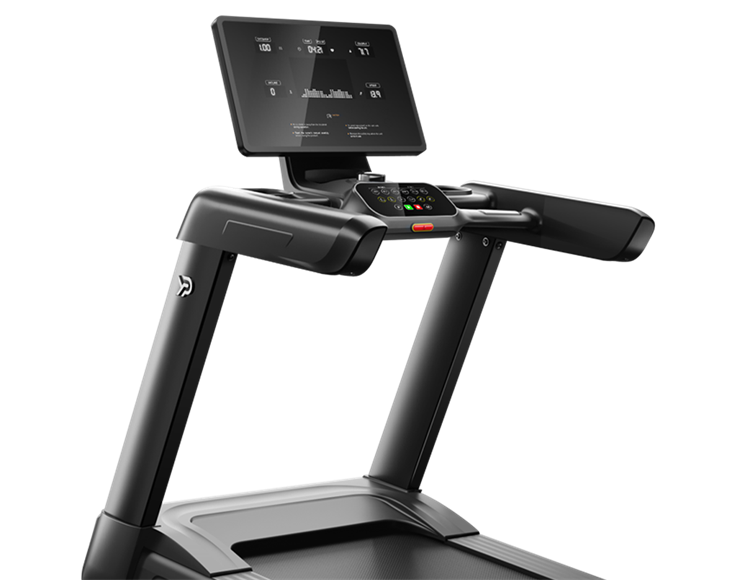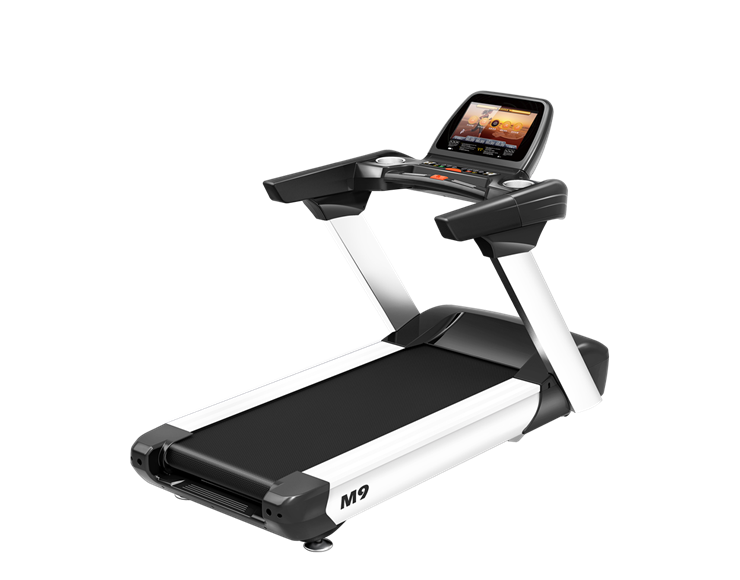

Quick answer: Serious buyers sourcing an auto treadmill should verify the motor and controller match, automatic incline structure, running belt size, speed range, deck support, user weight rating, console options, safety system, packing size, certificate files, spare parts, warranty workflow, and factory QC process before confirming samples or bulk orders. The right auto treadmill is not only the model with more incline levels. It is the model that fits your market, survives your channel, and can be repeated with stable documents and service parts.
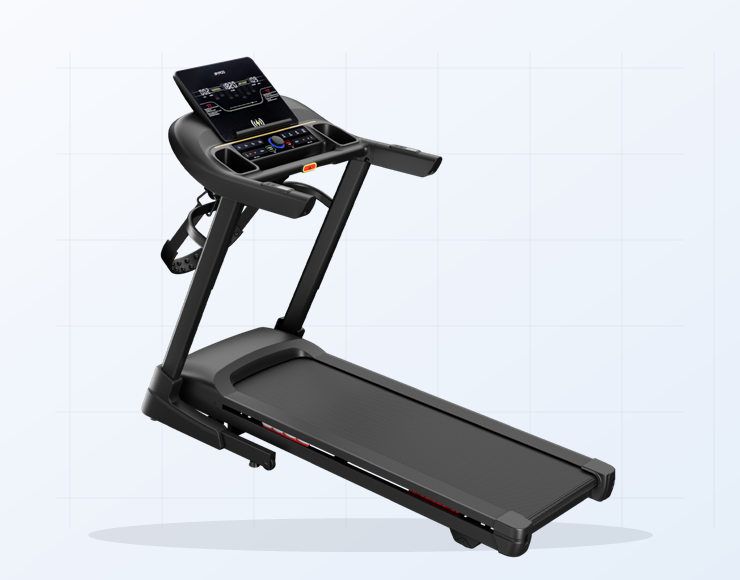
An auto treadmill can look easy to compare in a catalog. Buyers see speed, incline levels, motor power, display size, and price. But in real B2B purchasing, those numbers only start the conversation. Two models may both offer automatic incline while using different incline motors, controller settings, belt structures, frames, cartons, certificates, and spare-part policies.
This guide is written for importers, distributors, gym equipment dealers, hotel project buyers, e-commerce sellers, and private-label brands that need a practical way to evaluate auto treadmill models before sample approval. It uses YPOO’s treadmill product range and factory information as reference points for what serious buyers should ask any supplier.
What Is an Auto Treadmill?
For B2B sourcing, an auto treadmill usually means a motorized treadmill with automatic incline adjustment. The incline can be controlled from the console, preset programs, quick keys, or app settings, depending on the model. Some buyers also use the term for fully motorized treadmills in contrast with manual treadmills or walking pads, so it is important to clarify the exact meaning before comparing quotes.
A serious quote should state whether the model has automatic incline, manual incline, or no incline. It should also list speed range, motor type, running belt size, max user weight, console type, net weight, gross weight, product size, packing size, certificate status, spare parts, MOQ, lead time, and warranty terms.
Auto Treadmill Buying Checklist
| Area | What to Verify | Why It Matters |
|---|---|---|
| Use case | Home, hotel, dealer, light commercial, semi-commercial, gym project | Prevents using a light model in a heavy-use channel |
| Motor and controller | DC, AC, or BLDC motor; CHP or peak claim; controller match; heat and noise testing | Controls speed stability, service life, and warranty cost |
| Automatic incline | Incline levels, incline motor, structure, calibration, spare parts, testing method | The core feature must be reliable, repeatable, and serviceable |
| Running belt | Belt size, deck support, roller size, lubrication, belt tracking, replacement belt | Affects comfort, durability, carton size, and after-sales risk |
| Console | LED, LCD, TFT, touchscreen, quick keys, programs, units, language, app function | Changes cost, certificate review, user experience, and spare electronics |
| Safety | Emergency stop, safety key, handrail stability, speed response, incline stop behavior | Important for gyms, hotels, dealers, and import compliance |
| Packaging | Carton size, foam, gross weight, pallet plan, loading quantity, drop-test method | Treadmills are costly to repair or return after shipment damage |
| Documents | Certificates, test reports, manual, labels, carton marks, Declaration of Conformity where needed | Supports customs, marketplace review, and distributor sales |
| QC and warranty | Incoming checks, running test, incline test, final inspection, spare-part list, claim workflow | Connects the approved sample to bulk production quality |
1. Start With the User Scenario
Do not ask for “the best auto treadmill” before defining the channel. A home fitness brand, a hotel project, a dealer showroom, a studio, and a gym chain have different expectations for belt size, frame weight, motor type, incline strength, console simplicity, service parts, and warranty support.
For home and e-commerce channels, carton size, assembly time, noise, folding design, and local-language manuals may matter most. For hotels and dealer networks, buyers should focus on durability, spare parts, simple operation, and appearance. For semi-commercial or gym use, the buyer should check frame strength, motor-controller match, deck structure, heat performance, and service workflow more carefully.
2. Confirm What “Auto” Means in the Quote
Auto treadmill can mean different things in supplier conversations. Some sellers use it to mean a motorized treadmill. Others use it to mean automatic incline. Some may highlight app controls, preset programs, or automatic speed functions. Buyers should write the exact requirement in the inquiry and purchase order.
Ask the supplier to state the incline type in writing: automatic incline, manual incline, or no incline. Then ask how many levels are available, whether the incline is measured by level or percentage, how the incline motor is tested, whether the incline structure is included in the warranty, and which spare parts are available.
3. Read Motor Power Carefully
Motor claims are often misunderstood. Ask whether the treadmill uses DC, AC, or BLDC motor. Ask whether the listed number is CHP, peak HP, or another marketing value. A stronger motor claim does not automatically make the model better if the controller, belt, frame, heat management, and target use are not matched.
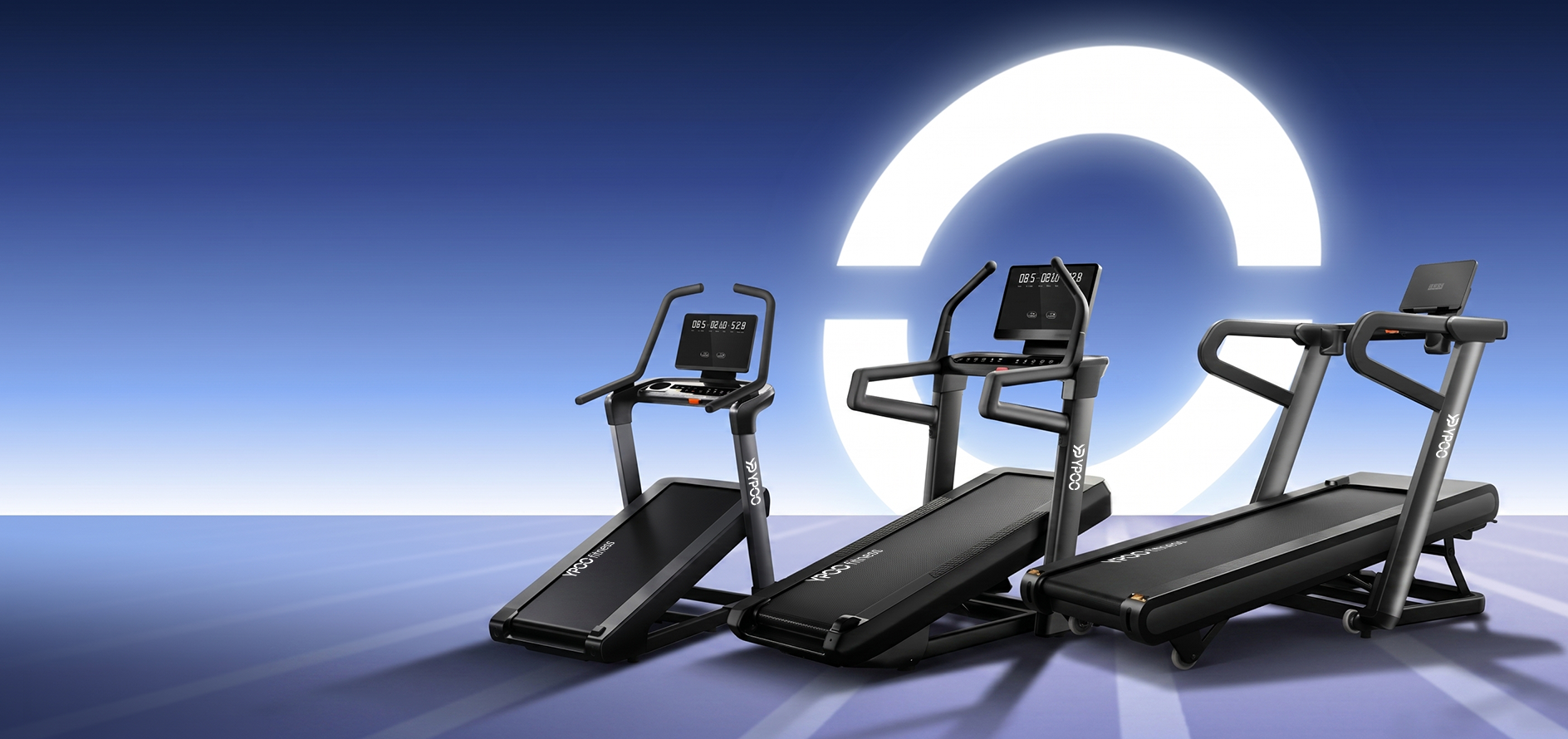
YPOO’s YP-M7 Ultra, for example, lists a BLDC 1.5/1.75 CHP motor, a 1.0-18.8 km/h speed range, automatic 0-36 incline levels, a 520*1410 mm running belt, 89 kg net weight, and 150 kg max user weight. Buyers can use this level of model-specific detail as a benchmark when asking other suppliers for a full spec sheet.
4. Match Speed Range to the Market
Speed range should match the actual user. A walking-running pad may focus on walking and light jogging. A home treadmill may need enough speed for general running. A semi-commercial auto treadmill may need stable speed under heavier users and longer sessions.
When comparing speed, ask about speed accuracy, controller response, motor temperature, noise, vibration, belt tracking, and test duration. A simple catalog speed number does not tell the buyer whether the treadmill can perform consistently in the intended channel.
5. Inspect the Automatic Incline System
The automatic incline system is one of the most important parts of an auto treadmill. It affects training value, product positioning, user experience, packing structure, frame stress, and service parts. Buyers should not approve an auto incline model without seeing the incline movement in video and testing it during the sample stage.
Ask for incline motor specification, incline level range, calibration method, load test, noise level, reset behavior, controller protection, wiring layout, and available spare parts. During sample testing, run incline up and down repeatedly at different speeds and user loads. Also check whether the belt remains centered and whether the console reads correctly after repeated incline changes.
6. Compare Belt Size, Deck, and Rollers
Running belt size is one of the clearest signals of product positioning. Wider and longer belts usually support a more comfortable running experience, but they also increase product size, carton size, shipping cost, and warehouse space. Buyers should choose the belt size based on market segment, not only on the largest number available.
Ask for running belt size, deck thickness, shock absorption design, roller size, lubrication method, belt material, belt tracking adjustment, and replacement belt availability. If a supplier only sends product photos, request a spec sheet and a measurement video before sample payment.
YPOO Auto Treadmill Spec Example
| Spec Area | Example Buyer Check | Why It Matters |
|---|---|---|
| Motor | BLDC, DC, or AC; CHP or peak claim; controller match | Controls speed stability, noise, heat, and service life |
| Speed | Example: 1.0-18.8 km/h on YP-M7 Ultra | Must match the target user’s training level |
| Incline | Example: automatic 0-36 levels on YP-M7 Ultra | Defines the main value of an auto treadmill |
| Running belt | Example: 520*1410 mm on YP-M7 Ultra | Affects comfort, category positioning, and freight cost |
| User weight | Example: 150 kg max user on YP-M7 Ultra | Should align with frame, motor, deck, and channel use |
| Packaging | Product size, packing size, gross weight, carton protection | Important for importing, storage, and damage control |
7. Check Console and Control Options
The console can make two similar auto treadmills feel very different. Buyers should compare display type, button layout, incline quick keys, speed quick keys, preset programs, heart rate function, safety key, emergency stop, language, metric or imperial units, app support, Bluetooth, speaker, tablet holder, and spare electronics.
For OEM orders, confirm whether the console sticker, startup screen, app name, manual, language, and packaging artwork can be customized. If the console hardware changes after sample approval, certificate review, wiring checks, and spare-part planning may need to be repeated.
8. Do Not Ignore Frame Weight
Net weight and gross weight help buyers understand whether a treadmill is a compact home model, a stronger home-running model, a semi-commercial model, or a heavier commercial platform. Weight alone does not prove quality, but it should make sense compared with belt size, motor power, user weight rating, and target channel.
Ask about frame material, tube thickness, welding process, deck support, upright stability, handrail strength, folding structure, transport wheels, and max user weight test basis. For hotel, dealer, or gym channels, do not treat a light home treadmill as a commercial-grade unit just because the photo looks strong.
9. Review OEM and ODM Scope Before Price Approval
Many buyers negotiate unit price first and only later ask for logo, color, plug, voltage, carton, manual, label, app, or console changes. That can create delays and extra costs. Customization should be included before the quote is approved.
For auto treadmill projects, OEM changes often include logo, console sticker, color accents, plug, voltage, manual language, carton artwork, labels, accessory list, and product photos. ODM changes may include motor, controller, frame, console hardware, incline structure, folding design, app function, or new molds. Ask which changes are standard, which require MOQ, which affect lead time, and which need new testing.
10. Verify Certificates by Exact Model
Certificate files should match the exact model being imported. Ask for certificate files, test reports, Declaration of Conformity where applicable, user manual, product label, rating label, carton label, plug and voltage details, and technical file support for the destination market.
Do not accept a generic treadmill certificate without checking model number, product photo, certificate holder, standard, issue date, testing lab, and covered configuration. If the buyer changes motor, controller, console, app module, plug, voltage, safety key, or incline system, compliance review may be needed again.
11. Treat Packaging as a Buying Decision
Auto treadmills are heavy, bulky, and expensive to return. Packaging should be checked before bulk production, especially for e-commerce, dealer networks, and long-distance ocean freight. Ask for carton size, gross weight, foam structure, accessory layout, manual position, barcode, shipping marks, pallet plan, loading quantity, and drop-test method.
A small saving on carton protection can become expensive if the product arrives with broken consoles, bent frames, loose covers, damaged belts, or missing accessories. Ask for packing photos from previous shipments and confirm the final carton design before mass production.
12. Build a Sample Test Plan
A sample test should simulate the buyer’s real channel. Check assembly, leveling, belt centering, speed response, incline movement, console functions, emergency stop, safety key, noise, vibration, handrail stability, folding or transport function, accessory pack, user manual, labels, and carton protection.
Run the treadmill at different speeds and incline levels. Test repeated incline adjustment. Check whether the belt drifts under use. Review whether the console is intuitive for the final user. Record photos and videos, then turn those records into a sample approval file for bulk production.
13. Ask for Factory QC Records
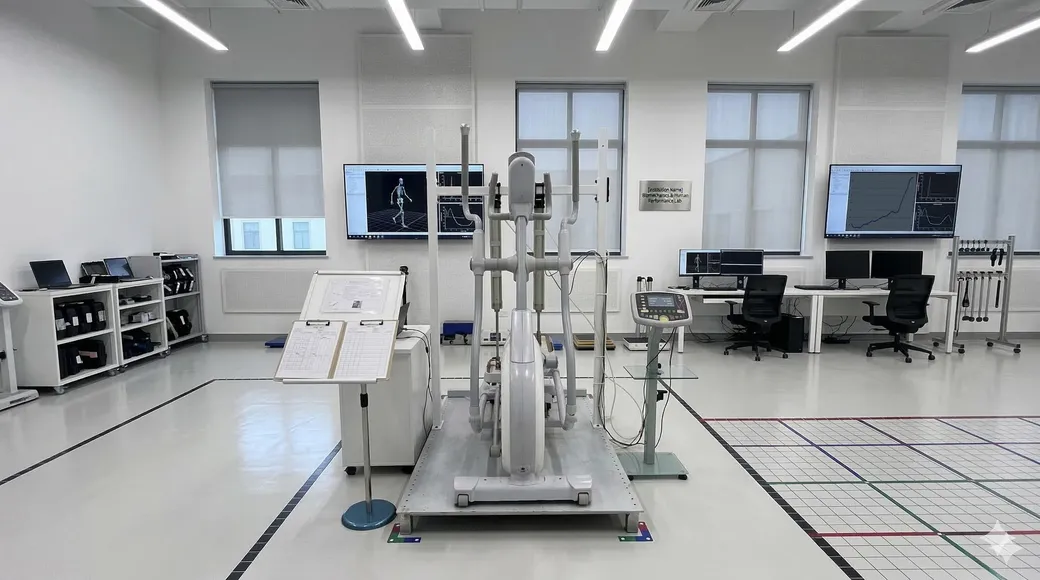
Quality control should be visible and repeatable. Ask about incoming material checks, motor testing, controller testing, welding inspection, spraying inspection, belt tracking test, speed test, incline test, console test, safety key test, noise check, vibration check, aging test, final inspection, and outgoing quality control.
YPOO’s about page describes manufacturing areas such as motor and electronic control, metalworking, injection molding, spray painting, assembly line, national-level laboratory, CNAS laboratory, and high-standard product quality inspections. Buyers can use these areas as audit checkpoints when checking any auto treadmill factory.
14. Prepare Spare Parts Before Shipment
Spare parts are not an afterthought. Ask for exploded diagrams, part codes, recommended spare ratio, repair videos, warranty parts, claim evidence requirements, and lead time for replacement parts. The spare-part list should match the exact model and configuration shipped.
For an auto treadmill, key spare parts may include motor, controller, incline motor, running belt, deck, rollers, console, safety key, side rails, power cord, handrail parts, covers, fasteners, sensors, and wiring. Buyers should confirm which parts ship with the order and which can be ordered later.
15. Compare Quotes by Total Risk
A low unit price is not enough. Buyers should compare exact model configuration, motor, controller, incline system, belt size, console, net weight, gross weight, carton, certificate status, OEM scope, MOQ, lead time, inspection plan, spare parts, warranty workflow, payment terms, Incoterms, and loading quantity.
If one quote looks much cheaper, ask what has been removed. The difference may be motor grade, controller, belt size, deck, frame weight, carton protection, console, certificate support, spare parts, or warranty coverage. Serious buyers compare total landed risk, not only FOB price.
Quote Comparison Table
| Quote Item | Question to Ask | Risk if Missed |
|---|---|---|
| Model configuration | Which exact motor, console, incline, belt, and color are included? | Suppliers may quote different specs under similar photos |
| Incline | Is it automatic, how many levels, and which parts are serviceable? | The main feature may fail or be hard to repair |
| Packaging | What carton, foam, accessory layout, and loading plan are included? | Shipment damage can erase the price advantage |
| Documents | Which certificates, reports, manuals, labels, and export files are included? | Customs, distributor, or marketplace review may be delayed |
| Inspection | Can the buyer inspect before balance payment? | Problems may only appear after shipment |
| Warranty | Which parts are covered, and how are claims handled? | After-sales promises may be difficult to execute |
| Repeat order | Can the supplier keep the same components and records? | Future batches may drift from the approved sample |
Common Auto Treadmill Buying Mistakes
- Assuming “auto treadmill” always means automatic incline without written confirmation.
- Comparing peak motor claims without checking CHP, controller match, heat, and noise.
- Choosing the highest incline level number without testing incline reliability.
- Ignoring belt size, deck structure, roller size, and net weight.
- Approving a sample before reviewing certificate files, labels, manuals, and carton design.
- Using a home-use treadmill for hotel, dealer, or gym channels.
- Forgetting spare parts such as incline motor, controller, belt, deck, and console.
- Paying balance before inspection, document review, and packing list confirmation.
When YPOO Is a Good Fit
YPOO is a practical fit for buyers that need treadmill OEM/ODM support, model-specific specifications, product range options, and factory-side production control. Its current treadmill range includes home-use, walking-running pad, inclined treadmill, semi-commercial, and commercial-positioned options, so buyers can build a product program instead of sourcing one isolated model.
Buyers can start by defining target market, quantity, certificate needs, OEM scope, price band, packing channel, and warranty expectations. Then YPOO can help match the request to suitable treadmill models, sample testing, customization options, and bulk-order planning.
FAQ
What should buyers check first when sourcing an auto treadmill?
Buyers should first confirm what “auto” means in the quote, especially whether the treadmill has automatic incline. Then they should verify motor type, controller match, speed range, incline system, belt size, user weight, console, carton, certificates, spare parts, QC, and warranty terms.
Is automatic incline important for treadmill buyers?
Automatic incline can improve training value and product positioning, but only if the incline motor, frame structure, controller, calibration, and spare parts are reliable. Buyers should test repeated incline movement during sample approval.
How do I compare auto treadmill motor power?
Ask whether the motor is DC, AC, or BLDC and whether the stated value is CHP or peak HP. Compare motor power together with controller, speed range, user weight, belt size, frame weight, heat test, noise, and warranty coverage.
What documents are needed before importing auto treadmills?
Common documents include certificate files, test reports, user manual, product label, carton label, invoice, packing list, and shipping documents. Requirements depend on the destination market and sales channel, so buyers should confirm model-specific compliance before production.
Can auto treadmills be customized for private-label brands?
Yes. Common OEM options include logo, color accents, console sticker, plug, voltage, manual language, carton artwork, labels, and accessory list. Deeper ODM changes such as console hardware, frame structure, motor, controller, or incline design may require higher MOQ, longer lead time, and new testing.
Final Recommendation
For serious buyers, the best auto treadmill is the one that matches the user scenario, has a reliable automatic incline system, uses a suitable motor-controller combination, offers comfortable belt dimensions, ships in strong packaging, includes model-specific documents, and comes with a realistic spare-part and warranty workflow.
If you are building a treadmill product line for import, wholesale, hotel projects, dealer sales, or private-label distribution, start with a structured requirement sheet and ask YPOO for a model recommendation, sample plan, and OEM/ODM quote.
Contact YPOO to discuss your auto treadmill buying plan, or review the YPOO treadmill product range before choosing sample models.