
Walking pad or treadmill? The photos may look similar. The customers, shipping costs, and support questions can be very different.
Neither option wins every time. A walking pad usually suits gentle movement and smaller spaces. A running-capable treadmill suits customers who want more speed and a workout-focused setup. Some two-in-one models sit between them.
For distributors and OEM brands, I would start with one question: what will your customer actually do on the machine? Let’s use that answer to make the choice simpler.
Walking Pad vs Treadmill: The Main Differences
A walking pad is a type of compact treadmill, not a completely different technology. Both typically use a motor-driven belt. The useful distinction is the intended activity, usable belt area, controls, and storage design.
| Buying factor | Walking pad | Running-capable treadmill |
|---|---|---|
| Main purpose | Walking and everyday movement | Walking, jogging, or running, depending on the model |
| Space | Usually a lower-profile, compact design | Usually a larger workout footprint |
| Controls | Often a remote or simple display | Often an upright console and safety key |
| Incline | None, manual, or powered, depending on configuration | Manual or powered options, depending on configuration |
| Business fit | Home-office and compact-living ranges | Workout-focused home or facility ranges |
These are category tendencies, not fixed rules. Always check the exact version you plan to sell.
What Is a Walking Pad?
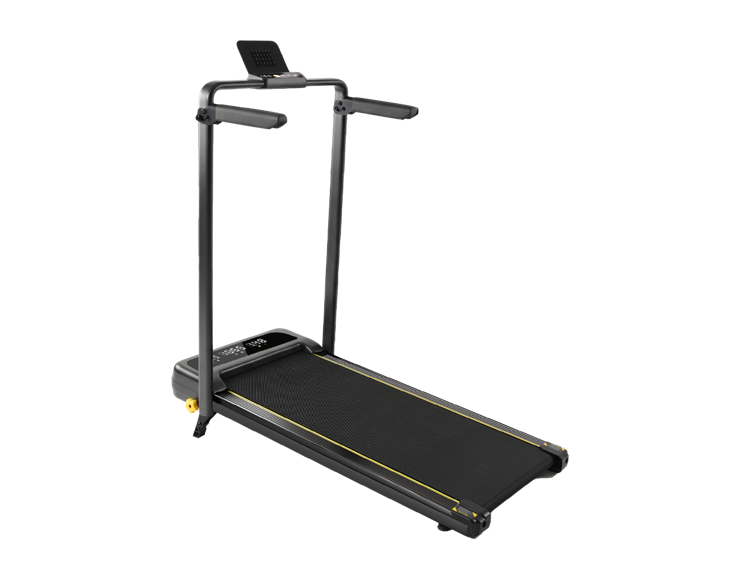
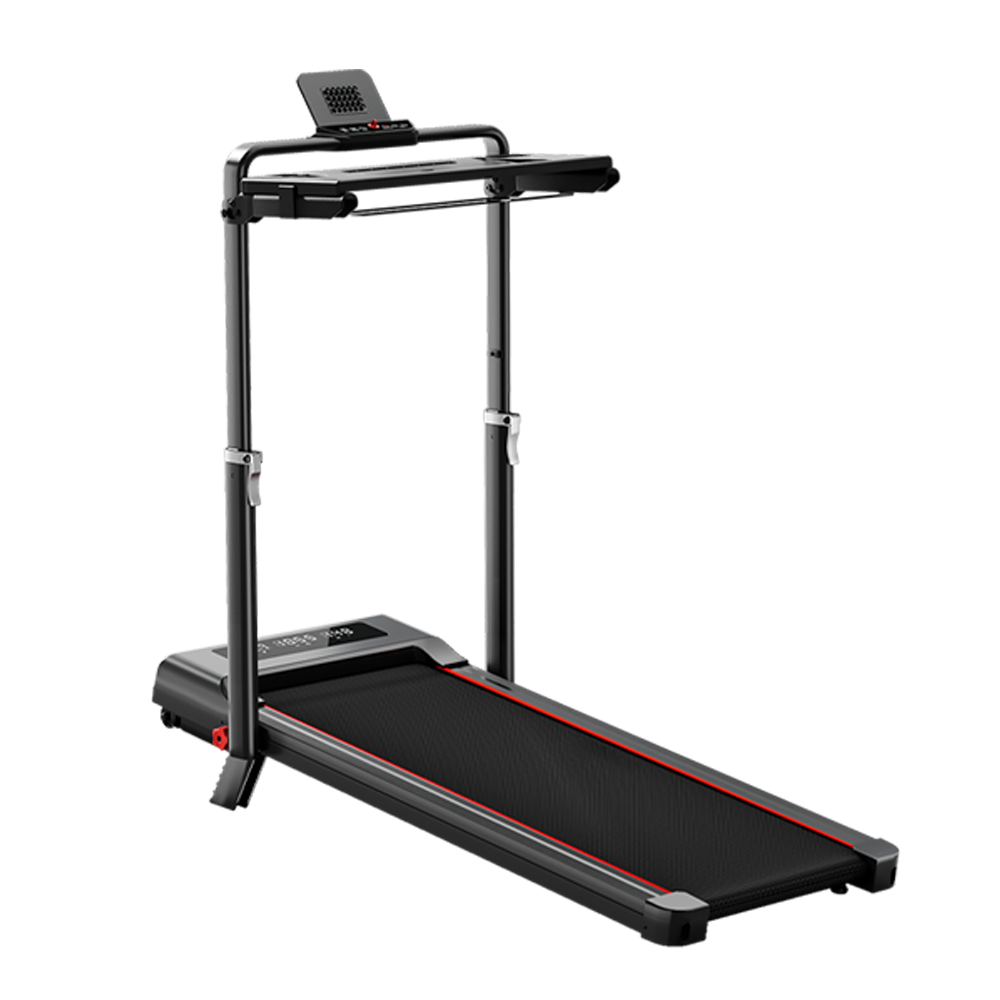
A walking pad puts a moving belt into a compact format. Some models have no upright handrail. Others add folding rails, a device holder, or a desk. That makes the name alone a poor guide to performance.
For a home-office collection, look at desk clearance, deck height, control access, and storage. Can the customer reach the remote easily? Does the machine fit between the desk legs? Will the raised deck leave enough room to type comfortably?
Related article: 5 Best Walking Pads for OEM & ODM Brands
What Is a Treadmill?
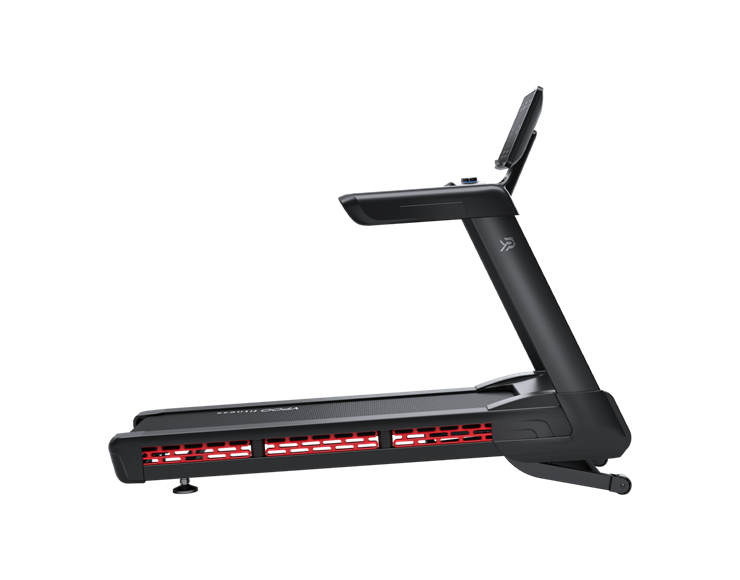
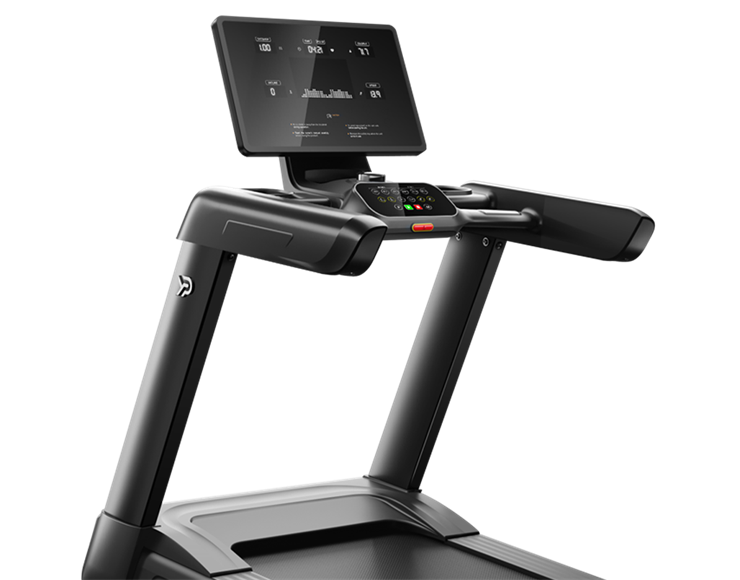
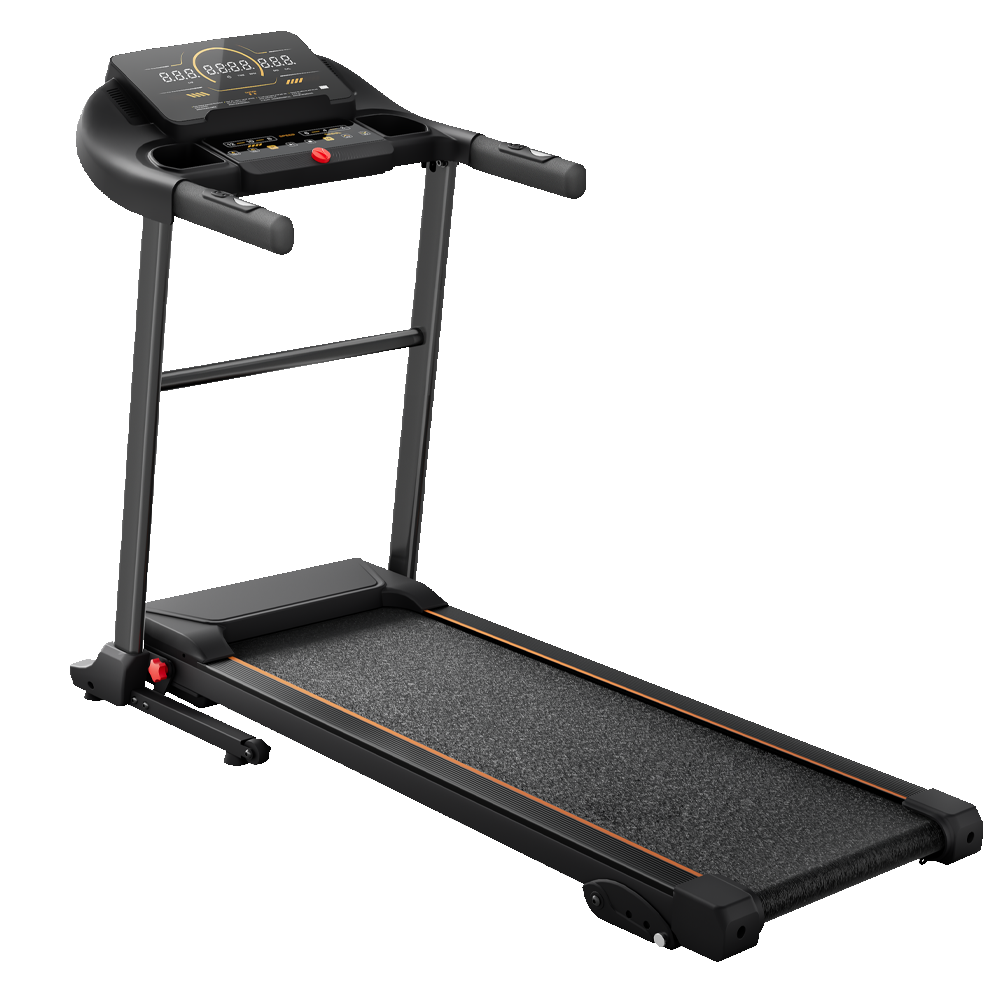
A conventional home treadmill usually puts more emphasis on dedicated exercise. An upright console, handrails, and a larger running area can make it better suited to jogging or running. Still, “treadmill” does not automatically mean commercial-grade.
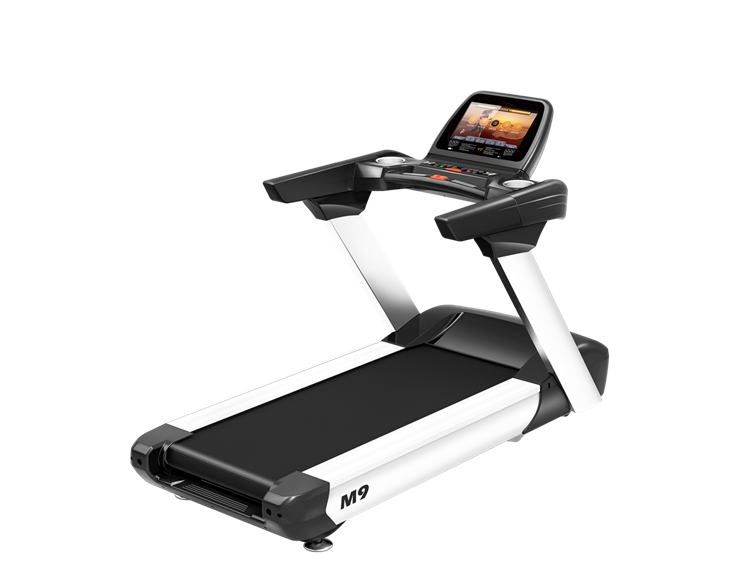
If your customers manage shared fitness rooms, ask about approved use, operating limits, and service support. Do not move a home model into a hotel or gym range just because its maximum speed looks impressive. Our treadmill shortlist for B2B buyers separates several product positions.
Walking Pad vs Treadmill: 5 Factors to Compare
Here’s how the two categories compare across the factors that matter most for B2B buyers.
Space and Storage
Small is useful only if it fits the customer’s routine. Check the working dimensions, stored dimensions, and clearance around the machine. A product that folds flat may still be too long for the intended storage space.
Ask for a folding demonstration with the accessories attached. A removable desk, handlebar, or device holder can change how quickly the machine packs away. Also check the wheels, lifting points, and weight. “Portable” should not mean the customer needs help every evening.
For your catalog, show the machine in both positions. Include measurements rather than saying “fits under most beds.” That small detail helps buyers understand the product before it reaches their front door.
Speed, Belt Size, and Incline
I would never choose between these categories by top speed alone. A faster belt does not tell you whether the deck, controls, and support layout suit running.
For walking, test comfortable pace adjustment and belt tracking. For running, add stride room, side-rail access, console reach, and stopping controls. Have representative users try the sample within the manufacturer’s instructions.
Incline needs the same care. Some compact models offer manual incline, while selected treadmills offer powered adjustment. A listing that says “15 levels” does not necessarily mean 15 percent. Ask for the actual slope and adjustment method.
Two-in-one models can fill a useful middle position. Confirm the speed limits with the handrail raised and lowered, plus any required safety key. Never advertise running in desk mode unless the approved instructions specifically support it.
Noise and Maintenance
A walking pad is not automatically silent. Motor sound, belt friction, footsteps, floor construction, and user weight all affect the experience. A bigger treadmill can also be comfortable at walking speed.
If quiet operation is part of your offer, request a defined test. Record speed, load, floor surface, microphone distance, and background sound. A phone clip without those details is not enough to support a noise claim.
Both categories need a maintenance plan. Ask about belt adjustment, lubrication requirements, fault codes, and replacement parts. Check whether customers can follow the manual without contacting your team. Clear instructions are worth more than another vague “maintenance-free” badge.
Cost for Wholesale Buyers
A compact walking pad may have a lower purchase price and a smaller carton. That does not guarantee better margin. Your result depends on the quoted configuration, freight route, delivery charges, returns, and service costs.
Compare carton dimensions and gross weight alongside the unit price. Then ask your logistics provider for a quote using the real destination. Container loading and parcel delivery follow different calculations.
Include spare parts, packaging tests, warranty handling, and local assembly where needed. A low-price machine becomes expensive if replacement controllers arrive slowly or customers cannot identify the correct part.
How OEM Brands Should Choose the Right Product
Start with a clear customer promise. “Move while working” calls for different specifications from “train for your next run.” Avoid trying to serve both with a product that does neither comfortably.
Next, prepare a short specification brief. Include intended activity, belt size, speed, storage dimensions, controls, target price, and service expectations. Discuss logo placement, colors, console language, manuals, and packaging with the factory. Confirm which changes are available and what they mean for minimum order quantity and lead time.
We suggest approving the exact sellable configuration, not just a sample with a similar name. Record the motor, controller, safety features, accessories, and packing details.
Choose the Machine That Matches Your Customer
The walking pad vs treadmill decision becomes easier when you start with the activity, not the label. Choose compact walking equipment for everyday movement. Choose a running-capable treadmill for a workout-led offer. Consider a two-in-one model when its approved features genuinely fit both needs.
Explore YPOO’s walking and running pads and home treadmills. Bring us your target customer, sales channel, and configuration brief so we can discuss suitable options for your brand.
FAQs
Can you run on a walking pad?
Only if the specific model and operating mode are approved for running. Walking-only pads should not be marketed as running machines. Check the manual, belt dimensions, handrail requirements, and speed limits.
Is a walking pad better for a home office?
Often, if the goal is gentle walking at a standing desk. Check desk clearance, deck height, noise, and control access. A compact design alone does not guarantee a good desk setup.
Can a home treadmill be used in a commercial gym?
Do not assume so. Ask the manufacturer to confirm the model’s intended use, operating limits, warranty coverage, and service requirements for your facility.
Should distributors stock both categories?
Stock both when they serve clearly different customers. A walking-focused model and a workout-focused treadmill can create a useful range. Keep product descriptions distinct so buyers understand the difference.